
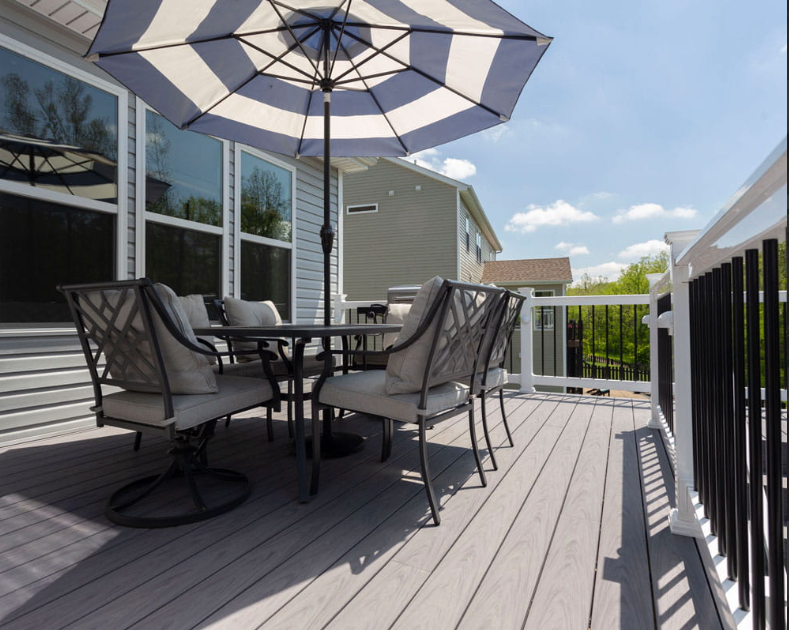
Why Your Deck Feels Too Hot in Summer and What You Can Do About It
A deck should be a place to relax, not somewhere you avoid during hot days. Many homeowners notice that their deck becomes uncomfortable in summer, especially in the afternoon. The surface heats up, the air feels still, and sitting outside becomes less enjoyable. Several design factors influence this, and small changes can make a noticeable difference in comfort.
Direct Sunlight Can Make Surfaces Uncomfortable
One of the biggest reasons decks get too hot is direct sunlight. When the surface is exposed for long hours, it absorbs heat and holds onto it. Some materials become especially warm, making it difficult to walk barefoot or sit comfortably.
Dark-colored boards tend to absorb more heat
Long sun exposure increases surface temperature
Certain materials hold heat longer than others
This effect builds throughout the day, which is why decks often feel hottest in the late afternoon. Knowing how to keep a deck cool in hot weather starts with reducing how much direct sunlight hits the surface.
Poor Orientation Limits Natural Shade
The direction a deck faces can have a big impact on how much sun it receives. A deck that faces strong afternoon sun will naturally feel hotter than one with more balanced exposure. Without some form of shade, the space may become difficult to use during peak hours.
South- and west-facing decks receive stronger sunlight
Lack of shade increases heat buildup
Sun exposure can affect comfort throughout the day
Orientation is not always something that can be changed, but it can be managed through design. This is often part of the planning process when working with deck builders Eagle Idaho, especially for outdoor spaces used frequently in summer.
Lack of Airflow Can Trap Heat
Even when a deck is exposed to sunlight, good airflow can help keep it comfortable. When air cannot move freely, heat tends to stay in one place, making the space feel warmer than it should.
Solid railings can block natural airflow
Enclosed areas may trap warm air
Limited spacing between structures can reduce ventilation
Improving airflow can make a noticeable difference. Open designs and proper spacing allow heat to move away instead of building up around seating areas. Experienced deck builders often design layouts that allow air to move freely through the space.
Material Choice Affects Heat Retention
Not all decking materials react to heat in the same way. Some surfaces cool down quickly, while others stay warm long after the sun goes down. Choosing the right material can help improve comfort without changing the overall design.
Some composites retain heat longer than others
Natural wood may stay cooler depending on finish
Surface texture can affect how heat is felt
Experienced deck builders consider these factors when recommending materials. A deck that looks good should also feel comfortable during everyday use.
Conclusion
A hot deck can limit how often you enjoy your outdoor space. Sun exposure, airflow, orientation, and material choice all play a role in how comfortable the area feels. Small design changes can make a big difference over time.
If your deck feels too hot to use, call (208) 739-6778 today and explore practical ways to make your outdoor space more comfortable.
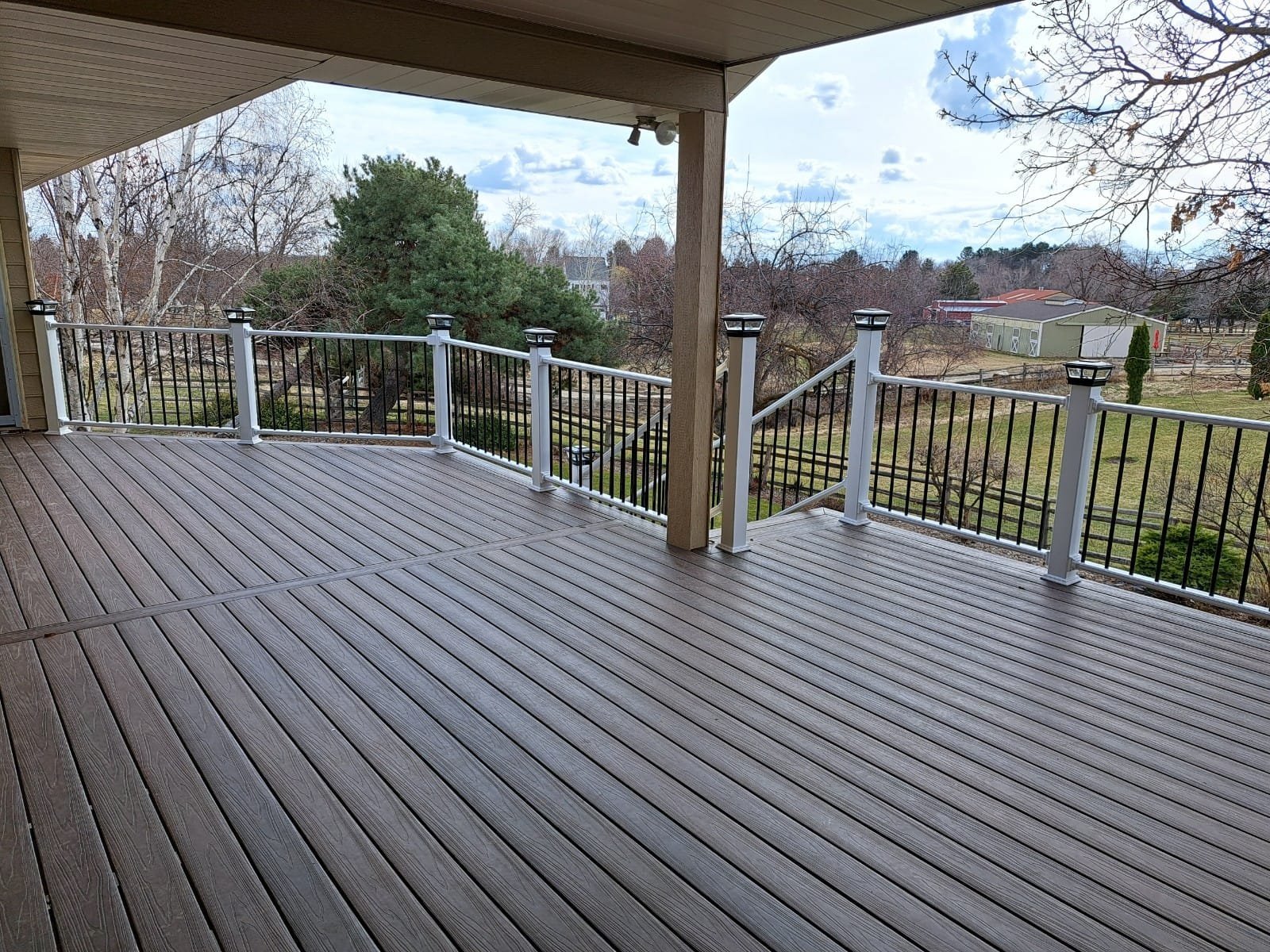
The Deck Problems You Don’t See Until They Become Expensive
Most deck problems don’t start with something obvious. There’s usually no loud crack or sudden failure. Instead, small issues build quietly—under the surface, around connections, or inside the structure. By the time something feels wrong, the damage has often been there for a while. Understanding the hidden causes of deck structural failure can help catch these issues early and avoid major repairs.
It Often Starts With Movement, Not Damage
One of the first warning signs isn’t visible—it’s how the deck feels. Slight movement, a soft spot, or a bit of bounce can point to something deeper. These subtle changes are easy to ignore at first, but they are often early signals that the structure is beginning to weaken.
Railings that don’t feel as solid as before
Sections of the deck that shift slightly under weight
Small changes in how boards sit or align
These aren’t always urgent on their own, but they rarely stay the same. Movement usually means something underneath is no longer holding as it should, and over time, that instability can spread to other parts of the deck.
Connections Are a Common Weak Point
Decks rely on multiple connection points working together. If one area weakens, it can affect the entire structure. Over time, even strong materials can loosen or wear down at these joints, especially with constant use and weather exposure.
Fasteners can loosen with repeated use
Ledger boards may weaken where they attach to the home
Hardware can corrode, especially in damp conditions
Even a single weak connection can place extra stress on nearby components. This is where experienced deck builders pay close attention, because long-term strength depends on how well every part is secured together.
Moisture Doesn’t Always Show Itself Right Away
Water is one of the most damaging elements a deck faces, but it rarely causes visible problems at first. It collects in hidden areas and slowly affects the structure over time. By the time signs appear on the surface, the damage underneath may already be significant.
Water can sit around posts and support bases
Trapped moisture may lead to internal wood decay
Damp conditions speed up hardware deterioration
Moisture-related damage often develops quietly, making it harder to catch early. When evaluating long-term durability, this is something often discussed with deck builders Fruitland ID, because water exposure is one of the most common causes of structural failure.
Some Problems Are Built In From Day One
Not all issues develop over time—some are there from the beginning. Design shortcuts or poor installation choices can reduce how long a deck lasts. These problems may not be noticeable right away, but they can limit the deck’s ability to handle stress and weather conditions.
Joists spaced too far apart can weaken support
Footings that aren’t deep enough may shift over time
Missing reinforcement can affect overall stability
These types of issues tend to show up after a few seasons, especially under heavier use or harsh weather. Reliable deck builders understand that small decisions during construction can have a lasting impact on performance.
Conclusion
Hidden deck problems don’t fix themselves. They grow slowly, often unnoticed, until they reach a point where repairs become more serious and more expensive. Paying attention to early signs—and building things correctly from the start—makes a big difference.
If something about your deck doesn’t feel right, call (208) 739-6778 today and take a closer look before a small issue turns into a major repair.
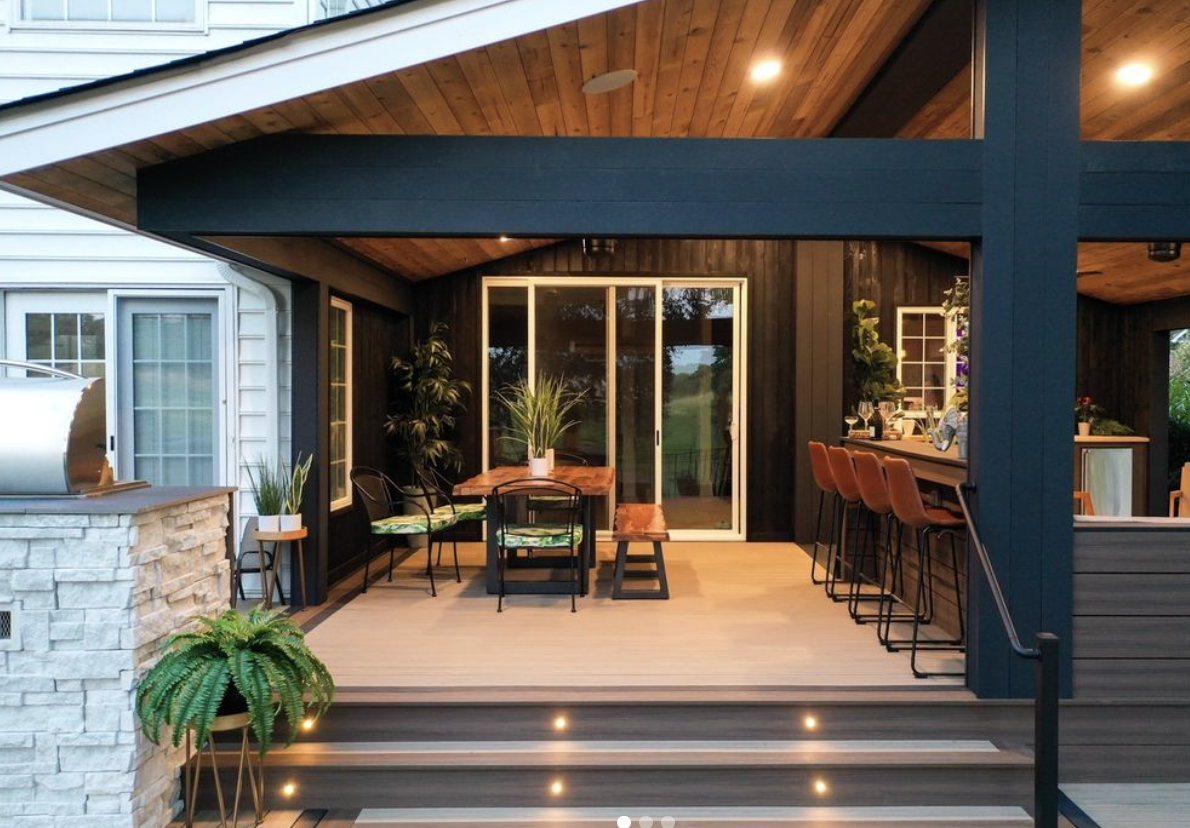
Why Some Decks Age Beautifully While Others Fall Apart
Some decks still look solid after ten years. Others start showing problems much sooner—fading boards, surface cracks, or soft spots underfoot. The difference usually isn’t luck. It comes down to early decisions that don’t seem important at first but matter later.
If you’re trying to figure out the best decking material for long-term outdoor performance, it helps to stop thinking about “new deck appearance” and start thinking about what happens after years of sun, moisture, and use.
Not All Materials Fail the Same Way
Two decks can sit side by side and age completely differently. One slowly weathers but stays stable. The other starts to twist, crack, or lose its surface. These differences often come from how the material reacts to stress over time, not just how it looks when first installed.
Wood can dry out, especially in strong sun
Some boards absorb moisture unevenly and start to warp
Lower-grade materials often show damage first
This isn’t always obvious in the beginning. It shows up later—usually when it’s harder (and more expensive) to fix. You start to notice it in small ways: boards that don’t sit flat anymore, color that looks patchy, or surfaces that feel rough.
Weather Doesn’t Just “Affect” Decks — It Tests Them
It’s easy to underestimate how much stress a deck goes through each year. Heat, cold, moisture, and daily use all add up. Over time, these conditions don’t just affect the surface—they slowly test the strength and durability of the entire structure.
Sun exposure slowly breaks down surface layers
Water gets into gaps and stays longer than expected
Seasonal changes cause expansion and contraction
Over time, that constant cycle acts like a stress test. Some materials pass. Others don’t. That’s why conversations around deck builders Fruitland ID often focus less on looks and more on durability, because long-term performance becomes the real priority.
Maintenance Isn’t Just Effort — It’s Commitment
At the start, maintenance doesn’t seem like a big deal. But what feels like “occasional upkeep” can turn into a routine. The level of effort required can change how homeowners feel about their deck after a few years.
Wood may need regular sealing to stay protected
Missed maintenance can speed up wear
Some surfaces show dirt and stains more easily
Over time, small maintenance tasks can add up. This is where expectations matter. Some people are fine putting in the work, while others realize later they wanted something simpler. Good deck builders usually bring this up early—not to sell a product, but to prevent regret later.
The First Decision Is Usually the Most Expensive One
Most long-term issues trace back to the same place: the initial choice. Not just material, but how it fits the environment and how it will be used. A decision that seems small during planning can have a major impact years later.
A cheaper option may cost more over time
A durable surface may reduce future repairs
The wrong match can lead to early replacement
The tricky part is that everything looks fine at the beginning. The difference only shows with time, which is why careful planning matters more than quick decisions.
Conclusion
Decks don’t fail overnight. They wear down slowly—and usually in ways that could have been avoided. Material choice, exposure, and maintenance all shape what that deck looks like years from now.
If you want help choosing something that will actually hold up, call (208) 739-6778 today and get expert deck builder advice that’s based on real long-term performance—not just first impressions.
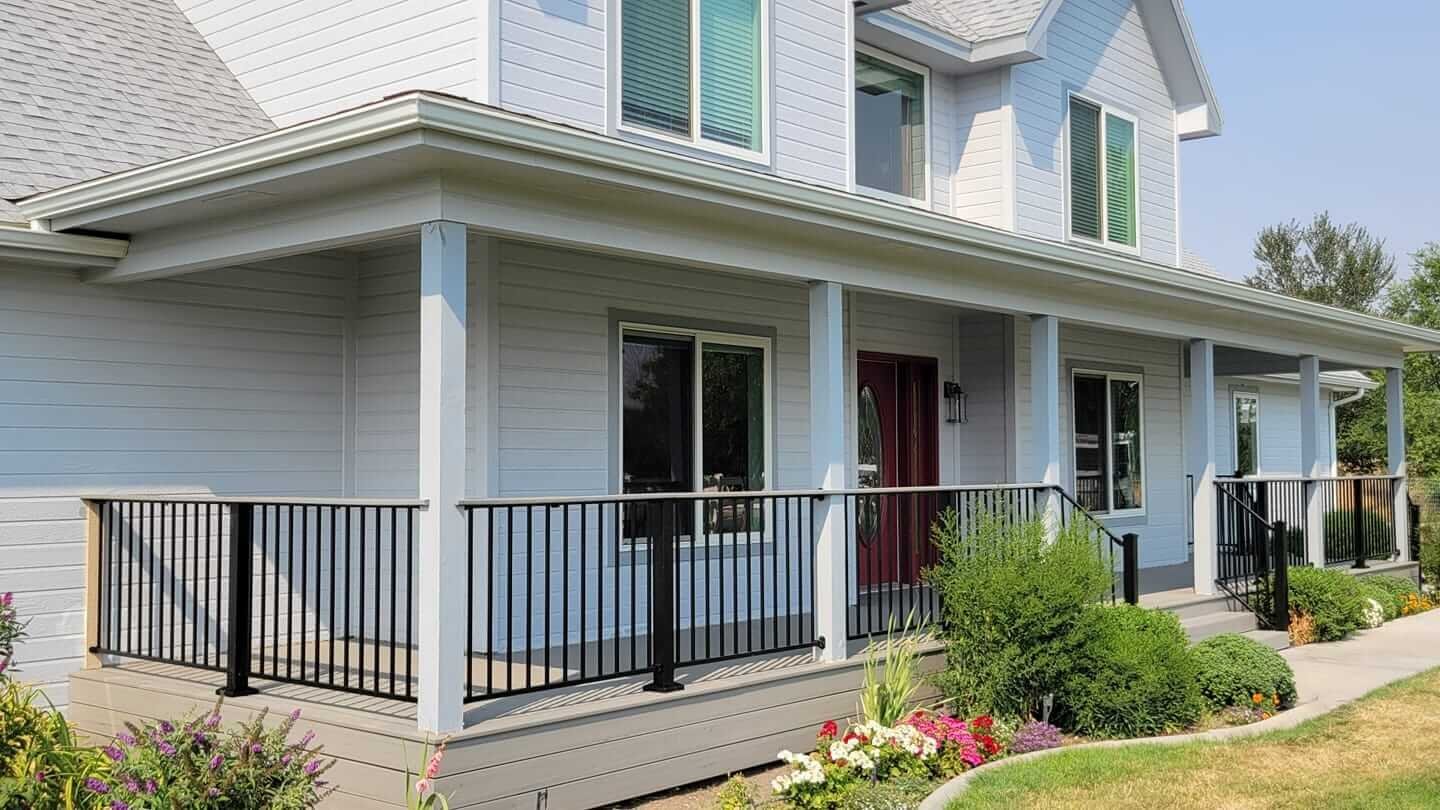
When a Deck Layout Feels Off: How to Improve Flow Between Your Home and Yard
Not every deck feels easy to use, even if it looks good at first. Some layouts create awkward movement, block access to the yard, or make simple tasks feel inconvenient. The problem usually isn’t the size of the deck—it’s the layout. Smart deck layout planning for better backyard flow can make a big difference in how comfortable and functional the space feels every day.
When the Deck Doesn’t Match the House
A common issue starts with how the deck connects to the home. If the layout ignores door placement or how people move in and out, the space can feel disconnected right away. Over time, this can make the deck feel like an add-on instead of a natural extension of the home.
Deck access may not line up with main entry points
Walking paths can feel indirect or cramped
Outdoor areas may not connect to indoor spaces naturally
When a deck is aligned with how the home is used, everything feels smoother. As deck builders, we look closely at entry points and traffic patterns before deciding on the final layout.
Poor Access to the Yard Creates Frustration
A deck should make it easier to enjoy the backyard, not harder. When stairs or transitions are placed poorly, it can interrupt how people move through the space. This often leads to repeated inconvenience, especially for families who use the yard often.
Stairs may be too far from where they’re needed
Pathways to the yard can feel blocked or awkward
Movement between levels or areas becomes inconvenient
A layout that supports natural movement helps the entire outdoor space feel more open. This is often where careful planning makes the biggest difference.
Overcrowded Layouts Limit Usability
Trying to fit too much into one space can make a deck feel smaller than it actually is. Without clear separation between areas, the layout can quickly become cluttered. This can affect both comfort and how easily the space can be used for everyday activities.
Dining, seating, and walking areas overlap
Furniture placement becomes difficult
Guests may feel crowded during gatherings
In many cases, a simpler layout works better. A well-planned design gives each area enough room to function without competing for space. That’s something deck builders Meridian Idaho often focus on when improving outdoor layouts.
Ignoring Everyday Habits Leads to Poor Design
A deck should match how people actually live. If daily routines aren’t considered during planning, the layout may feel inconvenient over time. Small design choices can have a big impact on how often the space is used and enjoyed.
Grills placed too far from the kitchen
Seating areas exposed to harsh sun or wind
Limited space for moving between zones
Good design comes from thinking ahead. Experienced deck builders consider how the space will be used every day, not just how it will look once it’s finished.
Conclusion
A deck layout has a direct impact on how enjoyable an outdoor space feels. When the design supports natural movement, connects well with the home, and avoids overcrowding, the difference is noticeable right away.
Fixing layout issues early can turn an awkward space into one that feels easy and comfortable to use. If your deck doesn’t feel quite right, call (208) 739-6778 today and explore better ways to improve your outdoor space.
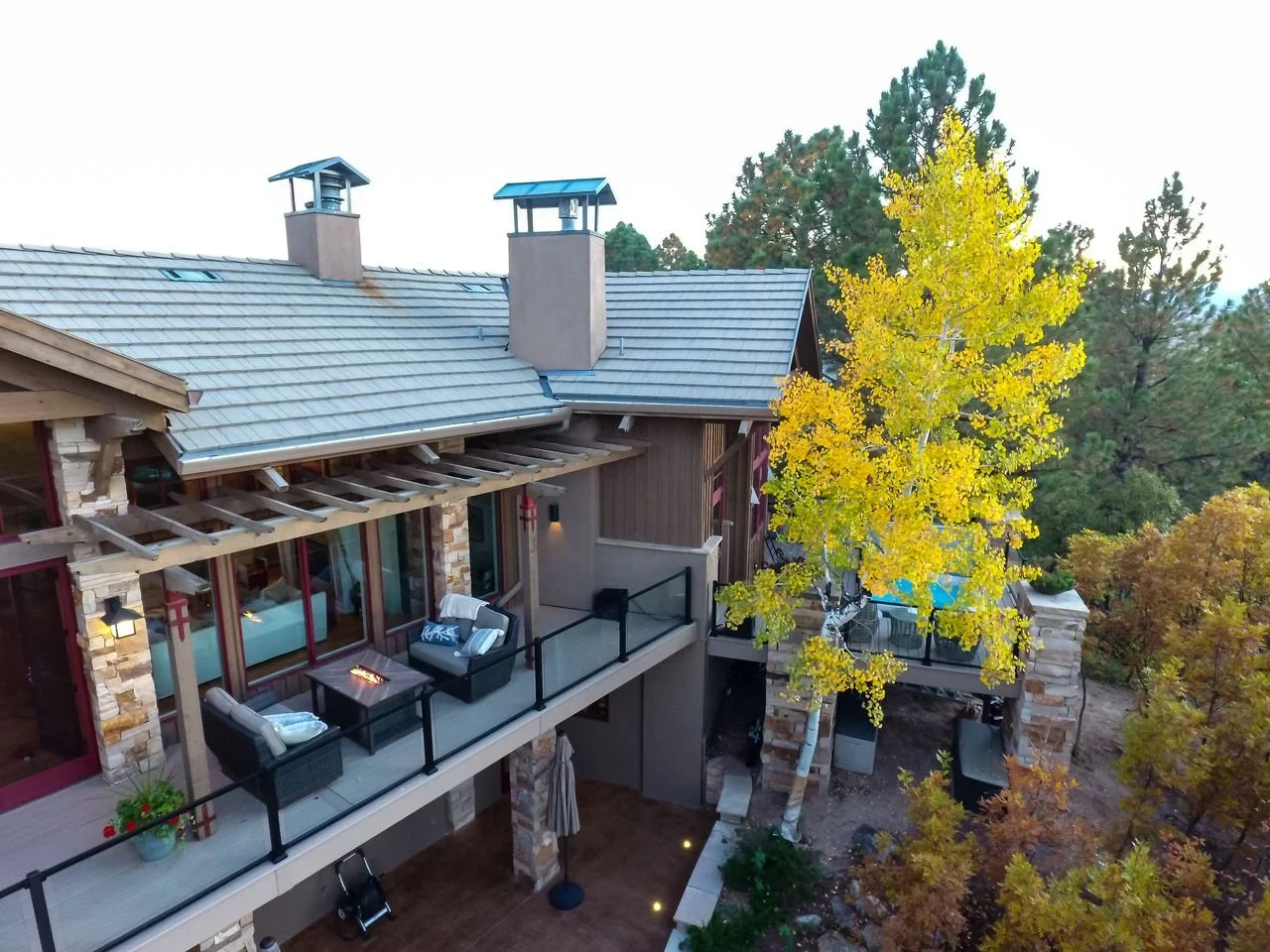
Why Some Multi-Level Decks Feel Awkward (and How to Design Them Right)
A multi-level deck can look impressive, but not every design works well in real life. Some layouts end up feeling confusing, cramped, or difficult to use. The difference usually comes down to planning.
When levels are added without a clear purpose, the space can become harder to enjoy instead of easier. A well-thought-out multi-level deck design for sloped yards should feel natural, not forced, and should make everyday use simple and comfortable.
Too Many Levels Without a Clear Purpose
Adding levels just to create visual interest can quickly create problems. While multiple tiers may look appealing at first, they can reduce usable space if each level does not serve a clear function. A deck should support how people actually live, not just how it looks on paper.
Extra levels can break up usable space
Unnecessary steps can interrupt movement
The layout may feel confusing during gatherings
When each level has a purpose—such as dining, relaxing, or access to the yard—the space becomes easier to use. As deck builders, we focus on creating layouts where every section adds value instead of taking it away.
Poor Transitions Between Levels
Transitions are what tie a multi-level deck together. If stairs and connections are not placed carefully, the entire layout can feel disjointed. Movement between levels should feel smooth and natural, not forced or awkward.
Stairs placed in the wrong location disrupt flow
Narrow or steep steps can feel unsafe
Sudden height changes can break the layout
Good transitions guide people through the space without them having to think about it. When planned correctly, the deck feels like one continuous area instead of separate platforms.
Ignoring the Shape of the Yard
A multi-level deck should work with the land, not against it. When the natural slope of the yard is ignored, the final result can feel out of place or difficult to use. Designing around the property’s shape often leads to a more balanced and practical layout.
Flat platforms may not match the land properly
Large drop-offs can create awkward stair runs
The deck may feel disconnected from the yard
This is where deck builders Meridian Idaho play an important role. A layout that follows the natural grade of the yard often looks better and functions more smoothly over time.
Not Thinking About Daily Use
A deck is not just for special occasions. It is a space that should work well every day. When design decisions are made without considering real-life use, small issues can turn into ongoing frustrations.
Dining areas placed too far from the house
Seating areas exposed to too much sun or wind
Limited space for walking or moving between zones
The best layouts are built around daily habits. Experienced deck builders think about how people move, gather, and relax so the space feels comfortable from the moment it is finished.
Conclusion
A multi-level deck should make outdoor living easier, not more complicated. When each level has a purpose, transitions are smooth, and the design follows the yard, the space feels natural and comfortable.
Avoiding common layout mistakes can turn a confusing design into one that truly works. If you are ready to build a multi-level deck that fits your home the right way, call Sunset Decks Idaho at (208) 739-6778 today and let us help you design it with confidence.
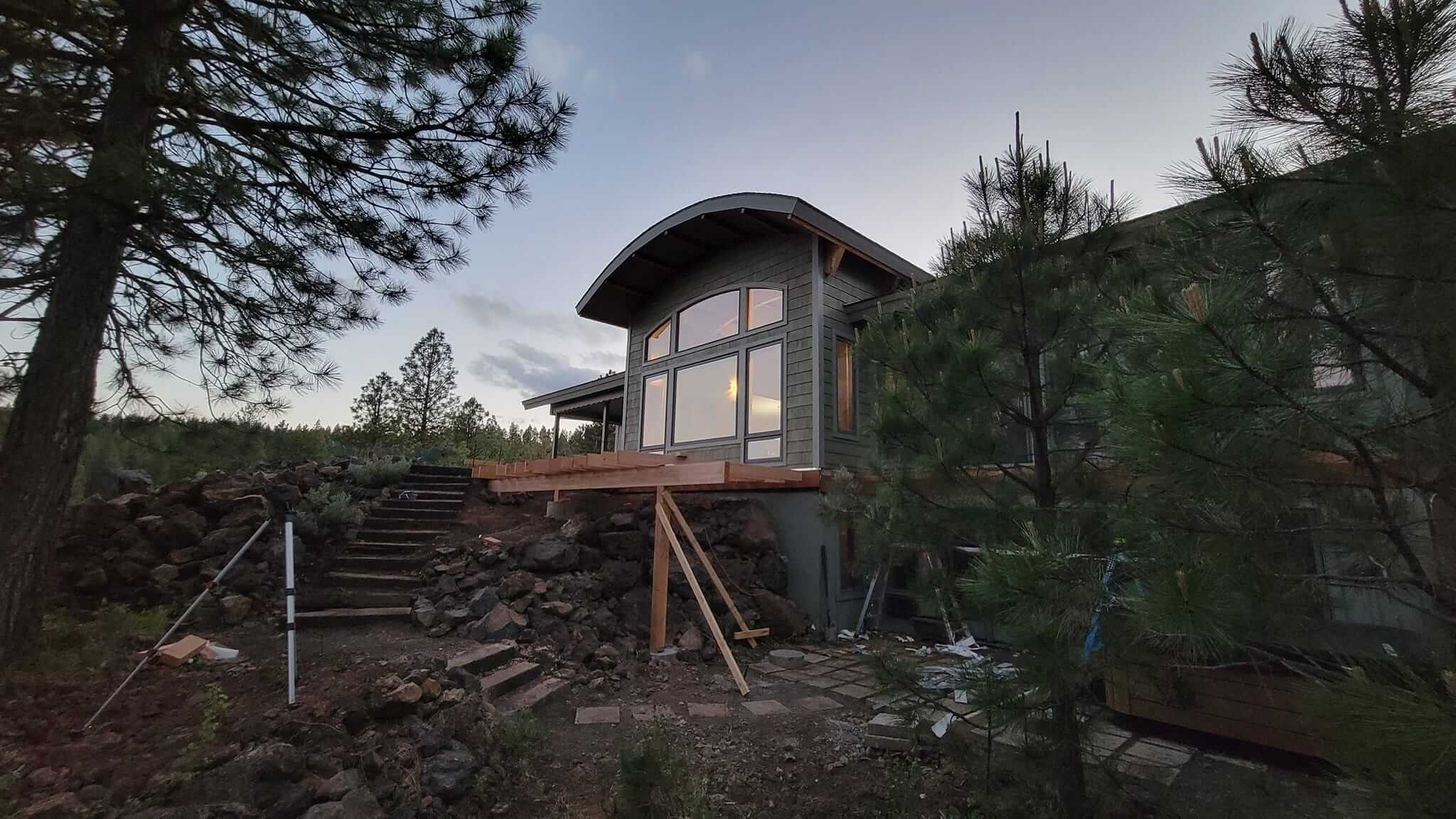
What Most Homeowners Get Wrong About Deck Footings and Frost Depth
A strong deck does not start with the boards you see. It starts below the ground. Footings are what hold the entire structure in place, yet they are often misunderstood or overlooked. In cold climates, frost depth plays a major role in how well a deck holds up over time. Many homeowners do not realize that small mistakes below the surface can lead to shifting, cracking, and long-term structural problems.
Why Footings Matter More Than Most People Think
Footings carry the weight of the entire deck and transfer it safely into the ground. If they are not designed correctly, the whole structure can become unstable. Even a small error in footing size or placement can affect how the deck performs over time.
Footings support posts, beams, and the entire frame
Weak or shallow footings can lead to sinking or shifting
Uneven support may cause the deck to feel unstable
When footings fail, the issues often show up slowly—like uneven boards or slight movement—before becoming more serious. As deck builders, we know that even a well-built deck above ground will fail if the foundation below is not done right.
Frost Depth Can Shift Your Entire Deck
In Idaho, the ground freezes during winter. When soil freezes, it expands. When it thaws, it contracts again. This movement can push footings upward or cause them to settle unevenly, which leads to structural stress over time. Understanding the correct deck footing depth for frost line in Idaho is one of the most important steps in preventing this kind of damage.
Frost heave can lift footings out of position
Shifting soil can create uneven surfaces
Repeated movement weakens the overall structure
Without proper depth, a deck may look fine one season and start shifting the next. Placing footings below the frost line helps keep everything stable through freezing and thawing cycles.
Common Footing Mistakes That Lead to Problems
Many deck issues come from simple mistakes made during installation. These problems may not show up right away, but they can cause serious damage over time. Poor planning or rushing the foundation stage often leads to expensive fixes later.
Footings set too shallow in cold climates
Incorrect spacing between support points
Poor soil preparation before installation
These mistakes can lead to sagging, cracking, or structural instability. In many cases, the deck must be partially rebuilt to fix the issue. Working with experienced deck builders Boise Idaho helps ensure these problems are avoided from the beginning.
Proper Planning Leads to Long-Term Stability
Building a deck that lasts requires careful planning before construction begins. Every property is different, and factors like soil type, slope, and climate all play a role in how footings should be designed.
Deeper footings provide better protection against frost
Correct spacing improves weight distribution
Strong materials help prevent long-term wear
A well-planned foundation supports everything above it, from framing to decking boards. Reliable deck builders take these details seriously because they understand that long-term performance starts below the surface.
Conclusion
Deck footings may not be visible, but they are one of the most important parts of the entire structure. Frost depth, soil movement, and proper installation all play a role in long-term performance. Getting these details right from the beginning can prevent costly repairs later. If you want a deck built on a solid foundation, call Sunset Decks Idaho at (208) 739-6778 today and let us help you build it the right way.
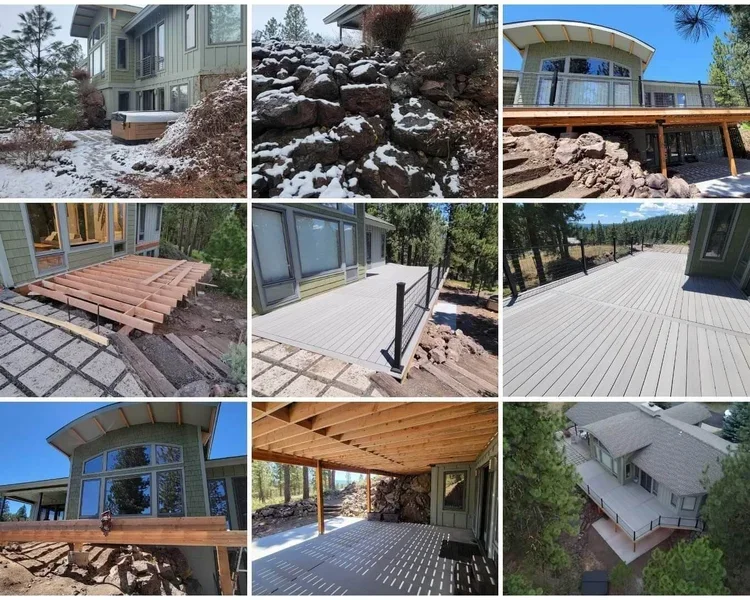
Why Decks Fail in Extreme Winters (and How to Prevent Structural Damage)
Cold winters in Idaho can be hard on outdoor spaces, especially decks. Snow, ice, and freezing temperatures put extra stress on materials and structure. A deck may look strong at first, but winter conditions can slowly weaken it over time. Understanding deck damage from snow load in Idaho helps homeowners avoid costly repairs and keep their outdoor space safe.
Snow Load Can Overstress the Structure
Heavy snow is one of the biggest reasons decks fail during winter. When snow builds up and sits for long periods, it adds weight that the structure must carry.
Thick snow layers increase pressure on joists and beams
Weak framing may begin to sag under the load
Older decks are more at risk if they were not built for heavy winters
A deck should be designed to handle these conditions from the start. As deck builders, we focus on building structures that can support real seasonal weight, not just light use.
Freeze-Thaw Cycles Cause Slow Damage
Winter is not just about cold temperatures. It is also about constant changes between freezing and thawing. Water can get into small cracks and expand when it freezes.
Moisture seeps into wood and small gaps
Freezing causes expansion that weakens materials
Repeated cycles lead to cracks and surface damage
Over time, this process can affect both the deck surface and the structure underneath. Proper material choice and sealing can help reduce this type of wear.
Moisture Leads to Rot and Hidden Weakness
Snow does not just sit on top of a deck. As it melts, water can collect in areas where drainage is poor. This can lead to long-term damage that is not always visible right away.
Water can sit around fasteners and framing joints
Trapped moisture may lead to wood rot
Metal hardware can begin to corrode over time
Many homeowners only notice these issues once the deck starts to feel soft or unstable. That is why working with experienced deck builders Boise Idaho can make a big difference in how well a deck holds up through the seasons.
Poor Construction Increases Winter Risk
Some decks fail not because of extreme weather, but because they were not built properly to begin with. Winter conditions simply expose the weaknesses faster.
Undersized beams and joists may not handle added weight
Shallow footings can shift during frost movement
Weak connections can loosen over time
Good construction is one of the best ways to prevent winter damage. Reliable deck builders understand how local conditions affect long-term performance and build accordingly.
Conclusion
Winter weather can turn small deck issues into serious problems if they are not addressed early. Snow load, moisture, and freezing cycles all put stress on the structure. The good news is that most of these problems can be prevented with the right design and materials. If you want a deck built to handle Idaho winters, call Sunset Decks Idaho at (208) 739-6778 today and let us help you build with confidence.
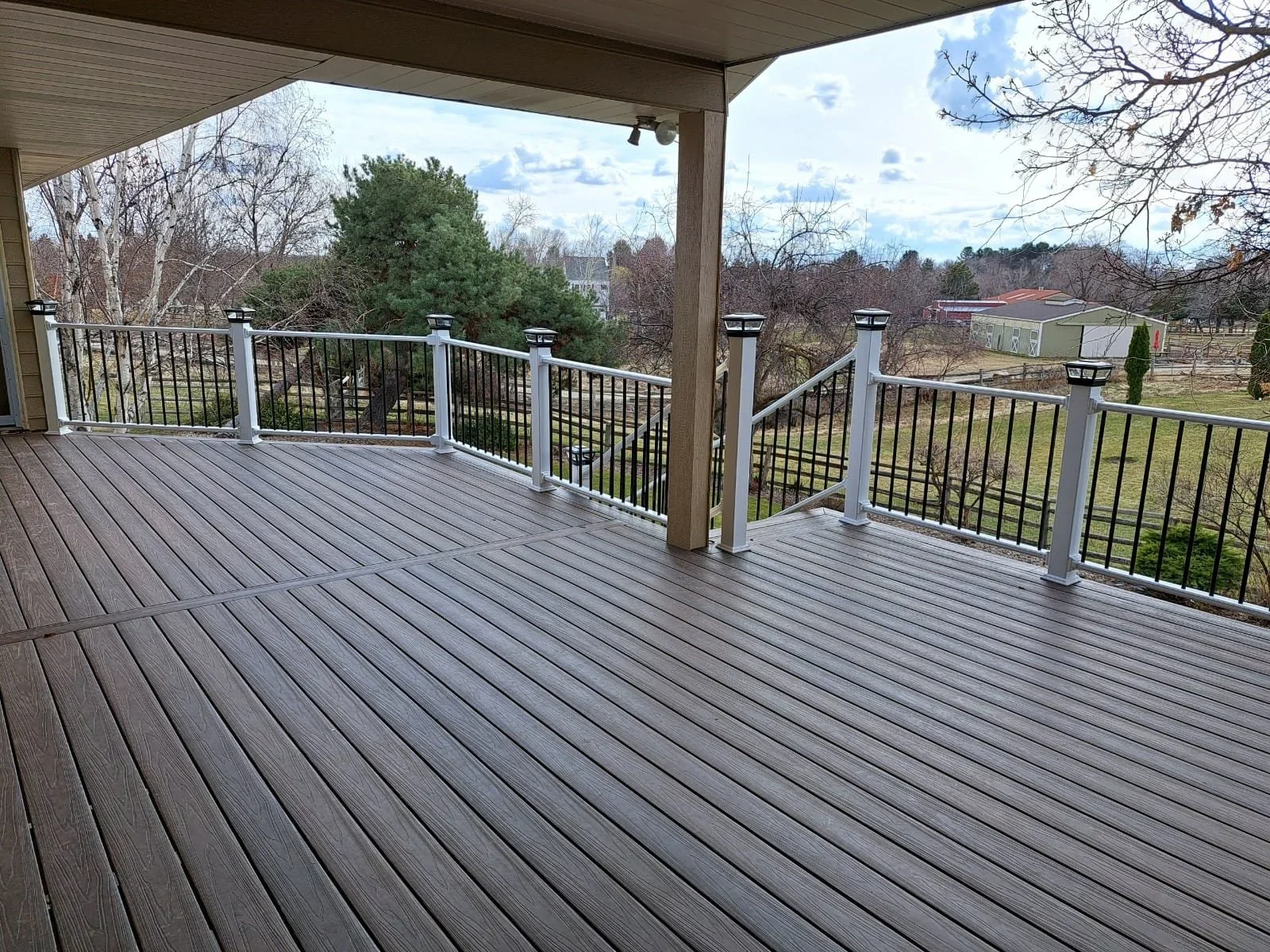
How Custom Railings Affect Safety, Views, and Property Value
A railing often gets treated like the final detail, something chosen after the deck itself is already designed. But it has a much bigger role than that. A railing affects how safe the deck feels, how open the view remains, and how finished the entire space looks once everything is complete. The right choice should do all three well. It should protect people, support the style of the home, and make the deck feel more complete instead of cutting it off.
Safety
A railing has one job that comes before everything else: protection. It needs to feel secure, stable, and well matched to the height and layout of the deck. That matters even more when stairs, elevated sections, or frequent family use are part of the design.
A strong railing plan should consider:
how the deck will be used day to day
where stairs and drop-offs need extra attention
how solid the railing feels when people lean or move around it
This is one reason experienced deck builders treat railing design as part of the structure, not just part of the finish.
View
A railing can also change what homeowners see when they step outside. Some styles frame the landscape beautifully. Others block too much of it. On a deck with a yard, open space, or scenic backdrop, that difference matters more than many people expect.
That is especially true when thinking about custom deck railings for safety open views and property value. A railing should protect the edge without making the outdoor experience feel closed in.
For homeowners comparing deck builders Caldwell ID, view preservation can become a major part of the decision, especially when the deck is meant to connect the home to the landscape around it.
Style
A railing is one of the most visible parts of the whole deck. It influences whether the final space feels modern, classic, bold, subtle, or more custom. Even when the decking itself is simple, the railing can shape the overall personality of the project.
Different railing choices can:
make the deck feel lighter or heavier visually
connect the design more closely to the home
add a more polished and intentional finish to the space
Skilled deck builders know that a railing should not look like an afterthought. It should feel like it belongs to the overall design from the start.
Value
A better railing can also improve how the deck is perceived over time. Safety matters, but so do appearance, durability, and the way the whole project comes together. A deck with the right railing often feels more complete, more useful, and more in line with the value of the home.
That added value often comes from:
stronger visual appeal
better day-to-day confidence and comfort
a more finished outdoor space that feels professionally planned
A well-chosen railing does not just protect the deck. It helps define the quality of the entire project.
Conclusion
A custom railing influences far more than the edge of a deck. It shapes safety, preserves views, strengthens style, and adds to the long-term appeal of the space. When chosen carefully, it becomes one of the most important parts of the whole design. Call Sunset Decks Idaho at (208) 739-6778 today and let us help you build a deck with details that feel right from every angle.
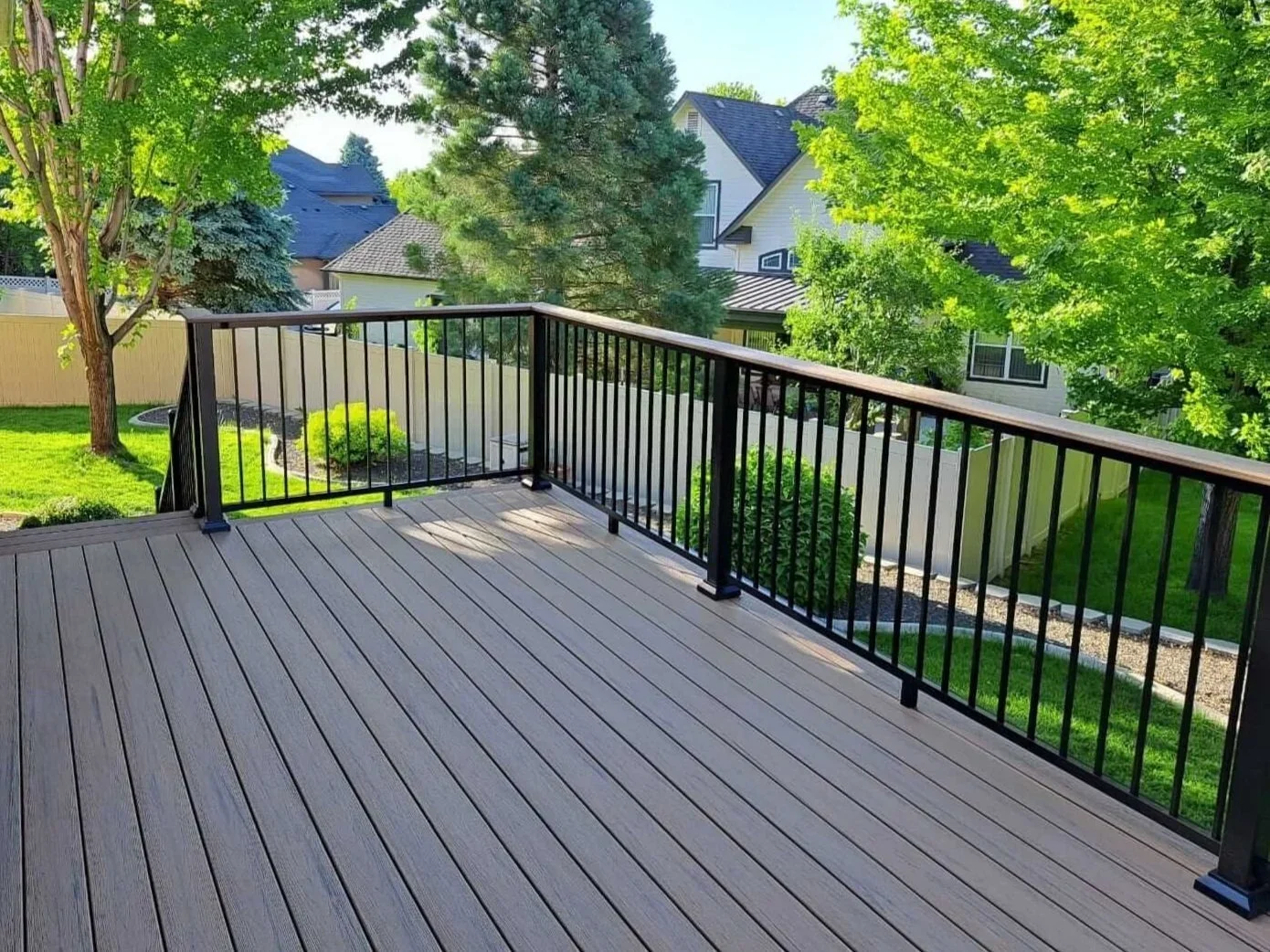
Why Elevated Decks Need a Better Water Plan From the Start
An elevated deck has a different job than one built close to the ground. It is not only creating outdoor living space above. It is also managing water below. Rain, melting snow, and daily moisture all have to go somewhere.
If that water is not directed the right way, the area under the deck can become messy, damp, and harder to use, while the structure itself may face more wear over time. That is why drainage and waterproofing should be treated as part of the design, not an extra decision made at the end.
Before the Design Is Finalized
Water control starts long before the first board is installed. The height of the deck, the slope of the surface, and the way the area below will be used all affect what kind of system makes sense. A deck built over a patio or entry area usually needs a different plan than one with open ground beneath it.
Important early questions include:
Will the space below stay open or be used often?
Does the deck need to protect a doorway, walkway, or seating area?
How much runoff will collect during storms or snowmelt?
This is one reason experienced deck builders look at water movement early. A deck may look simple from above, but the way it handles moisture can shape its performance for years.
During Material and Layout Planning
Once the overall design is taking shape, drainage details start to matter even more. Surface spacing, framing layout, waterproofing methods, and runoff direction all work together. If one part is ignored, the full system may not perform the way homeowners expect.
That is where deck drainage systems for elevated decks become such an important part of the conversation. It is not just about keeping the surface dry. It is about protecting the structure and improving the space below it.
Good planning often includes:
a clear path for water to move away
materials suited to repeated exposure
details that reduce trapped moisture around framing and connections
For homeowners comparing deck builders Caldwell ID, these hidden decisions often make a bigger difference than they realize at first.
After the Deck Is in Use
This is when poor planning usually starts to show. Water may drip onto a patio below, collect in the wrong area, or create ongoing dampness where homeowners wanted a cleaner, more usable space. In worse cases, moisture begins affecting parts of the structure that are not easy to inspect every day.
Common signs of a weak water plan include:
puddling or runoff in the area below
damp spots that stay wet too long
staining, wear, or premature material breakdown
Skilled deck builders know that homeowners notice these problems quickly, especially once they start using both the upper deck and the lower area regularly.
Years Later, the Hidden Details Matter Most
The best drainage and waterproofing work is not flashy. It rarely gets the attention that finishes or railings do. But over time, it becomes one of the most valuable parts of the deck because it protects what homeowners cannot easily replace.
A better water plan can help:
extend the life of the structure
keep the lower space more useful
reduce avoidable moisture-related problems later
That is the difference between a deck that simply adds space and one that performs well year after year.
Conclusion
An elevated deck needs more than strong framing and attractive boards. It also needs a clear strategy for moving water away and protecting the structure below. When that planning happens early, the whole deck works better from top to bottom. Call Sunset Decks Idaho at (208) 739-6778 today and let us help you build an elevated deck with smart protection built into the plan.
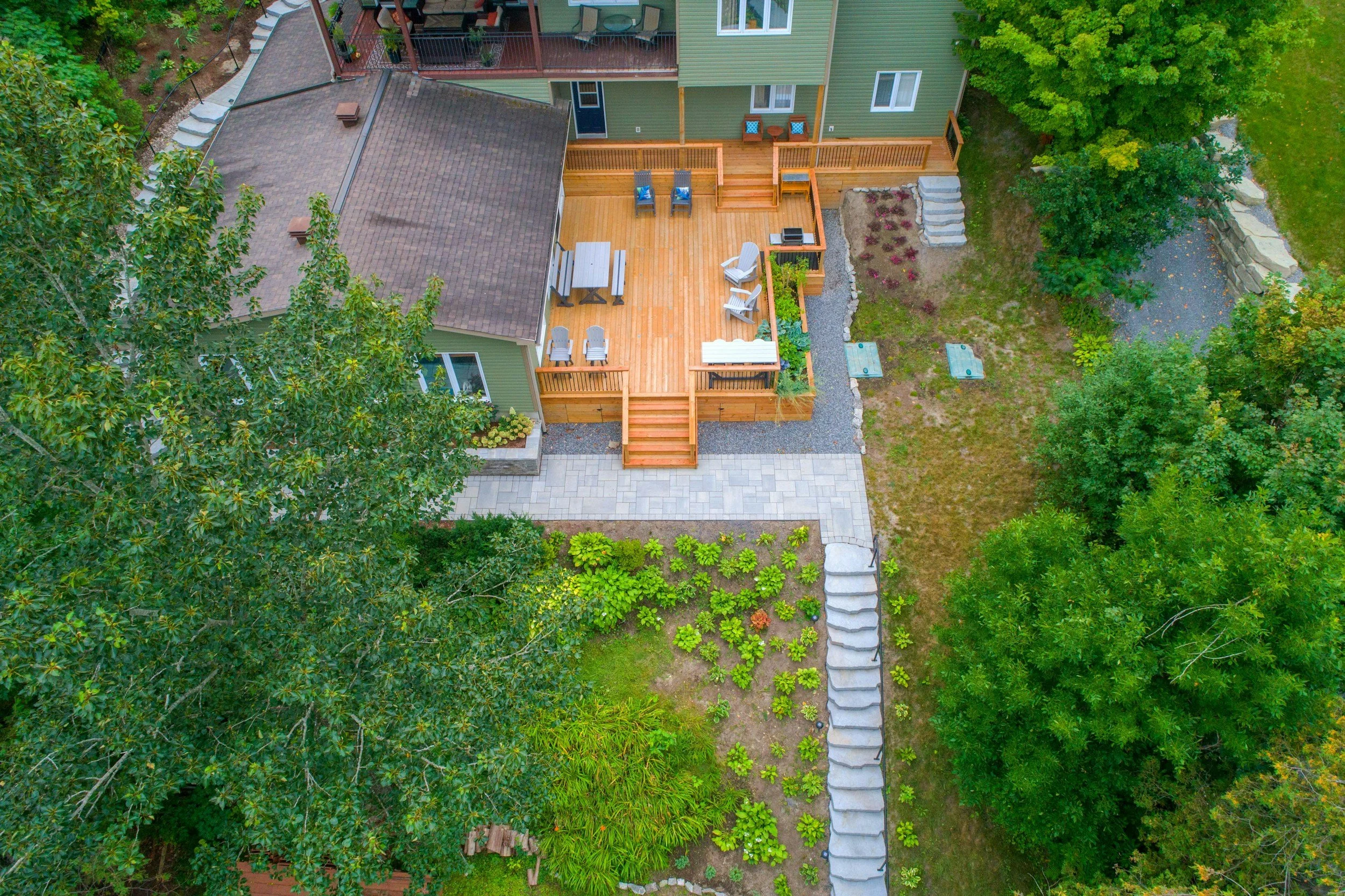
What Most Homeowners Misjudge About Deck Upgrades That Add Real Value
Many homeowners assume the best deck upgrade is the one that looks the most impressive right away. That is understandable. New lighting, fancy features, and bold design choices can catch attention fast. But long-term value works a little differently.
The upgrades that truly pay off are usually the ones that improve comfort, function, durability, and the overall experience of the space. A deck should not only look upgraded. It should feel better to use and hold up better over time.
What Many People Assume Adds Value
It is easy to think value comes from the biggest visual change. A dramatic feature may look exciting in photos, but that does not always mean it improves the deck in the ways that matter most day to day.
Common assumptions include:
bigger always means better
more features automatically mean more value
expensive details always bring the best return
The problem is that value is not only about appearance. Homeowners and future buyers usually notice how the deck lives just as much as how it looks.
What Actually Tends to Matter More
The upgrades that often bring the strongest return are the ones that improve the way the deck performs. That might mean better materials, a smarter layout, stronger lighting, or details that make the space easier to enjoy throughout the year.
This is where best deck upgrades for return on investment and daily use becomes a much better question than simply asking what looks the most high-end.
Upgrades that often matter more include:
surfaces that need less upkeep over time
lighting that improves both safety and evening use
layout improvements that make the deck feel easier to move through
For homeowners researching deck builders Nampa ID, those practical improvements are often what make the deck feel more valuable long after the project is done.
Where Upgrades Usually Go Wrong
Deck upgrades tend to disappoint when they are chosen in isolation. A homeowner may add one eye-catching feature, but if the space still feels awkward, crowded, or harder to maintain, the overall result falls short.
That often happens when:
materials look great but wear poorly
added features interrupt traffic flow
money goes into decorative elements before core improvements
Skilled deck builders know that value usually comes from improving the whole experience of the space, not just one corner of it.
What a Smarter Upgrade Plan Looks Like
A better plan starts by asking how the deck is actually used. Is it mainly for family dinners? Entertaining? Relaxing in the evenings? Once that is clear, the right upgrades become easier to identify.
A smarter plan often focuses on:
comfort first
durability second
appearance as part of the overall balance
That does not mean style should be ignored. It simply means the strongest results come when beauty and function work together. Experienced deck builders understand that an upgrade should make the space feel better in real life, not just newer on the surface.
Conclusion
The deck upgrades that add the most value are not always the ones homeowners expect at first. The best returns usually come from choices that improve comfort, usability, durability, and long-term appeal. When the right priorities are clear, the whole deck becomes a stronger investment. Call Sunset Decks Idaho at (208) 739-6778 today and let us help you choose upgrades that truly make a difference.

When a Deck, Patio, and Outdoor Features Finally Feel Like One Space
Some backyards have all the right pieces but still do not feel finished. There may be a deck, a patio, a grill area, and even a fire pit, yet the whole space feels broken into parts instead of working as one experience.
That usually is not a materials problem. It is a planning problem. The best outdoor living spaces feel connected from the first step outside. They guide movement naturally, support the way people gather, and make every feature feel like it belongs.
Flow
A deck should not compete with the patio. An outdoor kitchen should not block movement. A fire feature should not sit where people need to walk through it to reach the yard. Flow is what turns separate outdoor elements into one usable environment.
Good flow often means:
easy movement from the house to the main gathering area
a clear path between dining, cooking, and seating zones
transitions that feel natural instead of forced
This is one reason skilled deck builders think about the whole backyard, not just the platform they are constructing. When flow is right, the space immediately feels more complete.
Function
Each feature should have a job. A patio may work best as a ground-level gathering area. A deck may be the main place for dining. An outdoor kitchen should support entertaining without taking over the entire layout. A fire feature should create a destination, not confusion.
That is where integrating decks with patios and fire features becomes more than a design phrase. It becomes a practical way to plan the backyard around real use.
A strong setup usually gives:
one area for cooking and serving
one area for sitting and relaxing
one area for moving comfortably between them
For homeowners exploring deck builders Nampa Idaho, this kind of planning can make the difference between an outdoor space that looks impressive and one that truly works.
Comfort
A beautiful backyard still has to feel pleasant to use. People need enough room to sit, talk, cook, and move around without crowding into one another. Heat from a fire feature, shade near dining areas, and spacing around a grill all affect whether the space feels easy or frustrating.
Comfort often improves when:
seating areas are placed away from the busiest traffic paths
dining spaces have enough room around tables and chairs
cooking zones are close enough to serve guests, but not too close to seating
Experienced deck builders know that comfort is not just about furniture. It comes from how the features are arranged and how much breathing room each one gets.
Cohesion
Even when a backyard includes multiple materials and levels, it should still feel like one design. The deck, patio, lighting, stairs, and built-in features should relate to each other in a way that feels intentional.
That might come from:
repeating materials or colors across different zones
aligning steps, edges, and sightlines
keeping the style of the features consistent with the home
When that happens, the backyard stops feeling like separate upgrades added at different times. It starts feeling like a single outdoor living plan.
Conclusion
A deck, patio, outdoor kitchen, and fire feature can be powerful on their own, but the real result depends on how well they work together. When flow, function, comfort, and cohesion are all planned carefully, the backyard feels easier to use and far more inviting. Call Sunset Decks Idaho at (208) 739-6778 today and let us help you create an outdoor space that feels connected from every angle.
Sun, Shade, and Timing: Why Deck Orientation Changes Everything
Picture two decks built with the same boards, the same railing, and the same square footage. One becomes the favorite place in the house. The other sits empty during the hottest part of the day. Why? Orientation.
The direction a deck faces can change how warm it gets, how long it stays bright, and when it feels most comfortable to use. Before choosing stain colors or furniture, it helps to ask a simpler question first: where will the sun be, and when?
Morning Light and Afternoon Heat Are Not the Same Experience
A deck that catches early sun can feel cheerful and gentle. Coffee tastes better there. Breakfast feels easy. But a deck that takes direct afternoon sun may feel very different by late summer. Boards get hotter. Seating becomes less inviting. Shade suddenly matters a lot more. That is why orientation should be treated as a design factor, not just a site detail.
A few common patterns:
east-facing spaces often feel better earlier in the day
west-facing areas can hold more heat in the evening
full southern exposure may create bright light for longer hours
For many homeowners, the most comfortable outdoor space begins with understanding how the property handles light from sunrise to sunset.
Shade Is Not Just a Bonus Feature
Some people talk about shade as if it is an extra. In reality, it often decides whether a deck gets used often or only occasionally. Trees, rooflines, pergolas, privacy walls, and the home itself can all shape how sunlight moves across the space.
This becomes especially important when planning deck orientation for better sun and shade control. A deck should not force homeowners to chase one comfortable corner all afternoon.
Well-placed shade can help with:
more comfortable seating during summer
better use of dining areas at midday
less glare through windows near the deck
Good Orientation Supports the Way People Actually Live
Not every family uses a deck at the same time of day. Some want a cool place in the evening. Others care more about weekend mornings. Some want full light for plants. Others want a retreat that stays more protected.
That is one reason deck builders Eagle Idaho should think carefully about how the property is used, not just where the deck can physically fit.
The right questions are often things like:
Will this space be used more for dinner or morning coffee?
Do homeowners want warmth late in the day or relief from it?
Should the deck feel open and bright, or more sheltered and calm?
Skilled deck builders know these answers shape the final design just as much as size or material choice.
A Better-Facing Deck Usually Feels Better for Years
Orientation affects more than comfort on one summer afternoon. It influences daily habits, furniture placement, shade decisions, and how natural the space feels over time. A deck that is positioned well tends to become part of the rhythm of the home.
And that is the real goal. Not just building a platform outside, but creating a place people genuinely want to use.
Thoughtful deck builders understand that a small change in direction can completely change the feel of the finished space.
Conclusion
Deck orientation has a quiet but powerful effect on how an outdoor space performs. Sun exposure, shade, heat, and daily comfort all change based on where the deck faces and how the lot is used. When those details are considered early, the result is a deck that feels inviting far more often. Call Sunset Decks Idaho at (208) 739-6778 today and let us design a deck that works with the light, not against it.

What You Do Not See Under a Deck Can Be the Biggest Problem
A deck can look perfectly fine from above and still have trouble underneath. The boards may seem straight. The railing may feel solid. The color may even look great. But hidden structural problems often start where homeowners do not look every day. That is what makes them so dangerous. By the time the issue becomes easy to spot, the repair may already be larger, more expensive, and more urgent than expected.
The Trouble Often Starts Small
Most deck failures do not begin with a dramatic collapse or one obvious break. They usually start with a smaller issue that keeps getting worse over time. Moisture, movement, and weak connections can slowly wear down the structure without drawing much attention at first.
A few early warning signs may include:
slight wobble when walking across the surface
railing movement that seems minor but feels different than before
boards or framing that hold moisture longer than they should
This is one reason skilled deck builders do not judge a structure by surface appearance alone. A deck can hide a lot beneath what looks like a normal finish.
Water Is Often the Real Enemy
One of the most common hidden problems is moisture damage. Water can collect around posts, fasteners, ledger connections, or framing members and stay there much longer than homeowners realize. Once that happens, the structure may begin to weaken from the inside out.
That kind of hidden wear matters even more when people start asking about the signs of structural deck damage before failure. Many of those signs point back to moisture that had too much time to do damage unnoticed.
Water-related problems may lead to:
soft or weakened wood below the surface
rusting hardware and failing connections
framing areas that no longer carry weight the same way
Bad Connections Can Turn Into Serious Risk
A deck depends on more than just lumber. It depends on how each part is tied together. If the ledger is weak, if bolts are failing, or if major load points are not properly supported, the structure may lose strength even when the surface still seems usable.
For homeowners researching deck builders Eagle ID, this is where quality really matters. A well-built deck is not just about the boards you walk on. It is about whether the entire structure has been connected and supported the way it should be from the start.
Common connection issues include:
loose or failing attachment points at the house
undersupported beam or joist areas
hardware that has aged poorly in outdoor conditions
Minor Warning Signs Can Point to Bigger Structural Issues
Not every serious deck problem announces itself in an obvious way. Sometimes the first clues are small changes in how the structure feels or behaves during normal use. A little movement, a soft area, or hardware that no longer feels secure can all point to deeper trouble below the surface.
slight shifting may suggest support problems
recurring damp areas can signal trapped moisture
weak spots may mean the framing is starting to break down
Good deck builders know that these smaller warning signs deserve attention before they turn into larger repairs. Addressing them early can help protect the structure and reduce the chance of more extensive damage later.
Conclusion
The most serious deck problems are often the ones homeowners cannot easily see. Weak connections, trapped moisture, and hidden framing damage can all lead to bigger failures if they are left alone too long. A deck should not only look good from above. It should be strong where it matters most. Call Sunset Decks Idaho at (208) 739-6778 today and let us help you make sure your deck is safe, sound, and built to last.
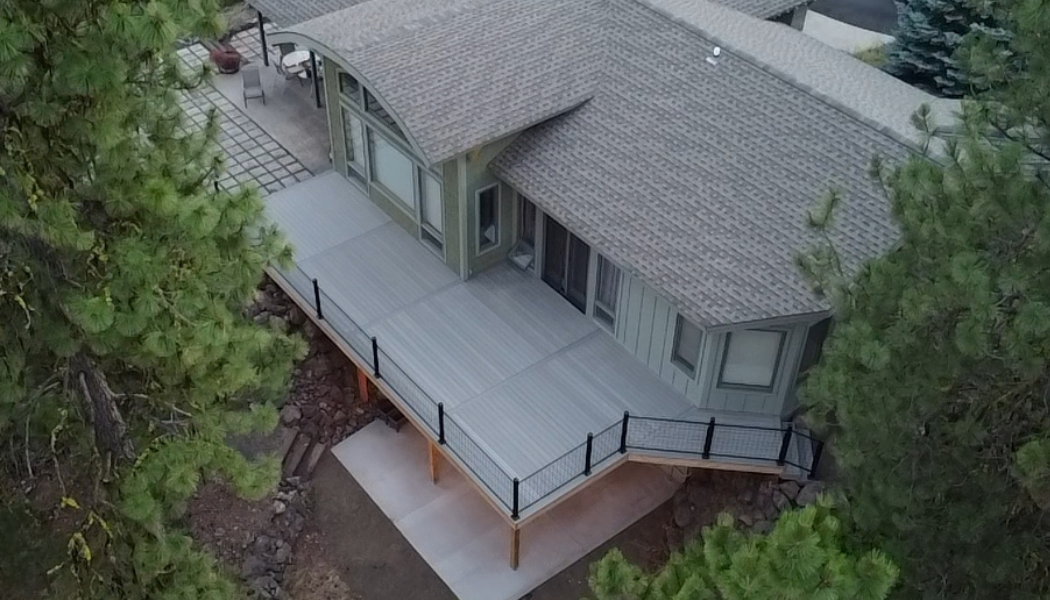
Hidden Structural Problems That Often Lead to Deck Failure
A deck can look perfectly fine from above and still have trouble underneath. The boards may seem straight. The railing may feel solid. The color may even look great. But hidden structural problems often start where homeowners do not look every day. That is what makes them so dangerous. By the time the issue becomes easy to spot, the repair may already be larger, more expensive, and more urgent than expected.
The Trouble Often Starts Small
Most deck failures do not begin with a dramatic collapse or one obvious break. They usually start with a smaller issue that keeps getting worse over time. Moisture, movement, and weak connections can slowly wear down the structure without drawing much attention at first.
A few early warning signs may include:
slight wobble when walking across the surface
railing movement that seems minor but feels different than before
boards or framing that hold moisture longer than they should
This is one reason skilled deck builders do not judge a structure by surface appearance alone. A deck can hide a lot beneath what looks like a normal finish.
Water Is Often the Real Enemy
One of the most common hidden problems is moisture damage. Water can collect around posts, fasteners, ledger connections, or framing members and stay there much longer than homeowners realize. Once that happens, the structure may begin to weaken from the inside out.
That kind of hidden wear matters even more when people start asking about the signs of structural deck damage before failure. Many of those signs point back to moisture that had too much time to do damage unnoticed.
Water-related problems may lead to:
soft or weakened wood below the surface
rusting hardware and failing connections
framing areas that no longer carry weight the same way
Bad Connections Can Turn Into Serious Risk
A deck depends on more than just lumber. It depends on how each part is tied together. If the ledger is weak, if bolts are failing, or if major load points are not properly supported, the structure may lose strength even when the surface still seems usable.
If you're also a homeowner searching for the best deck builders Fruitland ID, always keep in mind that work quality really matters. A well-built deck is not just about the boards you walk on. It is about whether the entire structure has been connected and supported the way it should be from the start.
Common connection issues include:
loose or failing attachment points at the house
undersupported beam or joist areas
hardware that has aged poorly in outdoor conditions
Hidden Problems Usually Get More Expensive With Time
Small structural issues rarely stay small. A deck that is already showing subtle movement, moisture damage, or weak connections is not likely to improve on its own. The longer the issue is ignored, the more likely it becomes that repairs will spread into other parts of the structure.
Experienced deck builders know that early evaluation can make a major difference. Catching the problem sooner often means more options, better safety, and a clearer path forward for the homeowner.
Conclusion
The most serious deck problems are often the ones homeowners cannot easily see. Weak connections, trapped moisture, and hidden framing damage can all lead to bigger failures if they are left alone too long. A deck should not only look good from above. It should be strong where it matters most. Call Sunset Decks Idaho at (208) 739-6778 today and let us help you make sure your deck is safe, sound, and built to last.
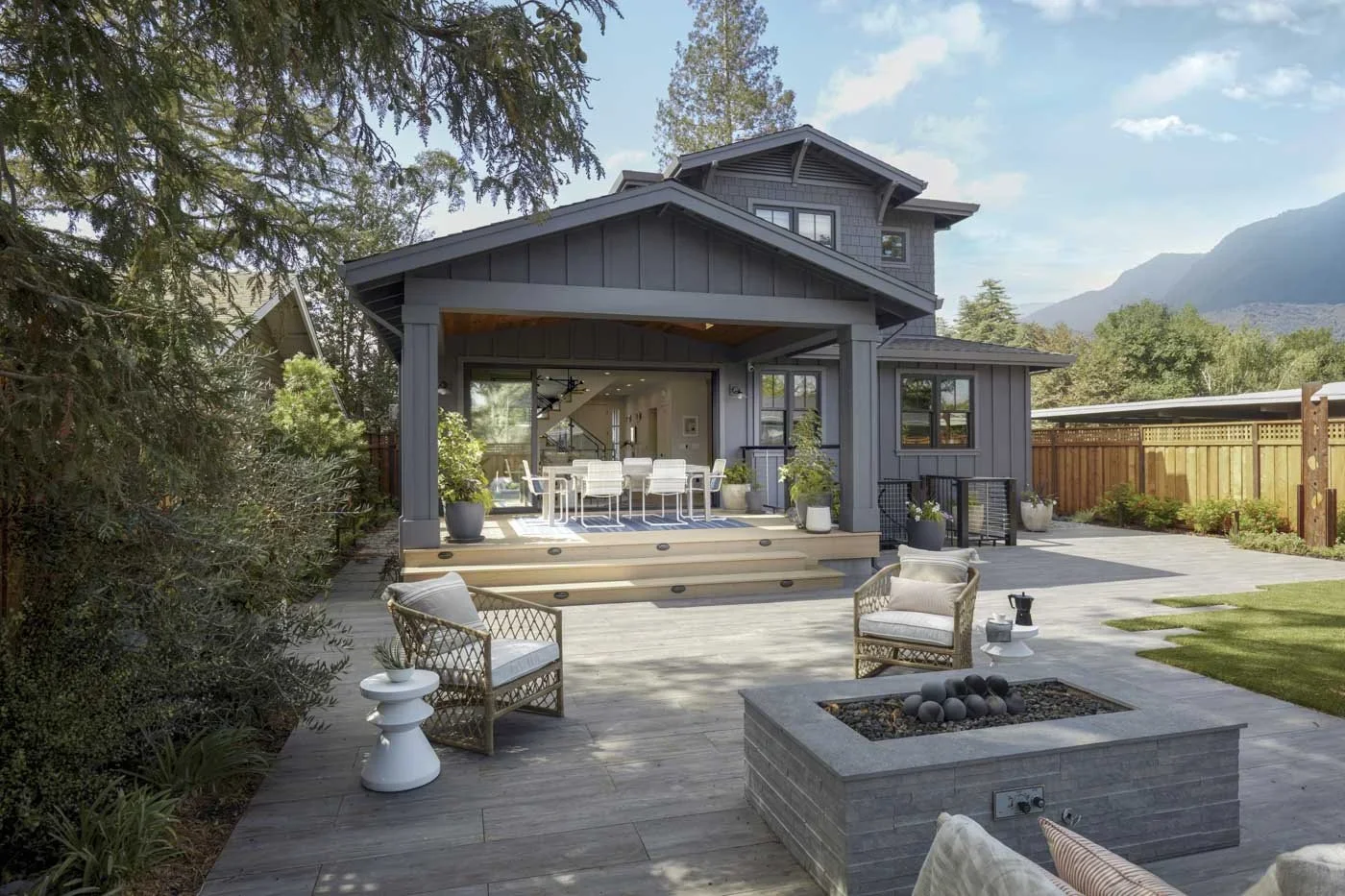
Ten Years Later: How Wood and Composite Decking Really Compare
A new deck almost always looks exciting at the start. Fresh boards, clean lines, and a new outdoor space can make either material seem like the perfect choice. The bigger question is what happens later.
After years of sun, rain, snow, foot traffic, and seasonal change, wood and composite do not always age the same way. That is why the better comparison is not just about installation day. It is about how the surface looks, feels, and performs far into the future.
First Impressions Can Be Misleading
Wood often wins people over with its warmth and natural character. Composite, on the other hand, usually attracts homeowners who want a cleaner and more uniform look. Both can be beautiful, but first impressions only tell part of the story.
What matters after the excitement of a new build wears off?
how the surface handles weather
how much upkeep it asks for
how well it keeps its appearance over time
That is where the real comparison begins.
Wood Can Age Beautifully, but It Asks for More Attention
Many homeowners love the look of real wood, and for good reason. It has natural variation, texture, and a classic outdoor feel that many manufactured products try to imitate. But that beauty usually comes with a tradeoff.
Wood often needs:
sealing or staining over time
more regular cleaning and care
occasional repair when boards crack or wear unevenly
For some people, that upkeep is worth it. For others, it becomes one more thing on a growing home-maintenance list. This is one reason experienced deck builders often ask not just what material looks better now, but what level of maintenance will still feel realistic years from now.
Composite Usually Wins on Consistency
Composite decking appeals to homeowners who want a surface that stays more consistent with less ongoing work. It does not behave exactly like wood, and that is often the point. It is chosen for stability, lower maintenance, and a more predictable long-term appearance.
For homeowners comparing deck builders Fruitland ID, composite often enters the conversation when the goal is easier upkeep without giving up a polished finish.
One reason this matters is the question of composite vs wood deck performance over 10 years. That is where differences become much easier to see, especially in climates with strong sun and changing seasons.
Composite often offers:
less routine refinishing
more color consistency over time
fewer concerns about splinters or surface cracking
The Better Choice Depends on How the Deck Will Be Used
There is no single winner for every home. A quiet backyard retreat may lead one homeowner toward wood. A busy family space with lots of daily traffic may point another toward composite. Lifestyle matters just as much as appearance.
A smart decision usually comes down to:
how often the deck will be used
how much maintenance feels acceptable
whether natural character or easier upkeep matters more
We know that the best material is not always the most expensive one or the most popular one. It is the one that fits the way the homeowner actually lives.
Conclusion
Wood and composite can both create a beautiful outdoor space, but they often tell different stories over time. One offers natural character with more upkeep. The other offers consistency with less maintenance.
The right decision comes from thinking beyond the first season and planning for the years ahead. Call Sunset Decks Idaho at (208) 739-6778 today and let our deck builders help you choose the material that truly fits your home and your lifestyle.
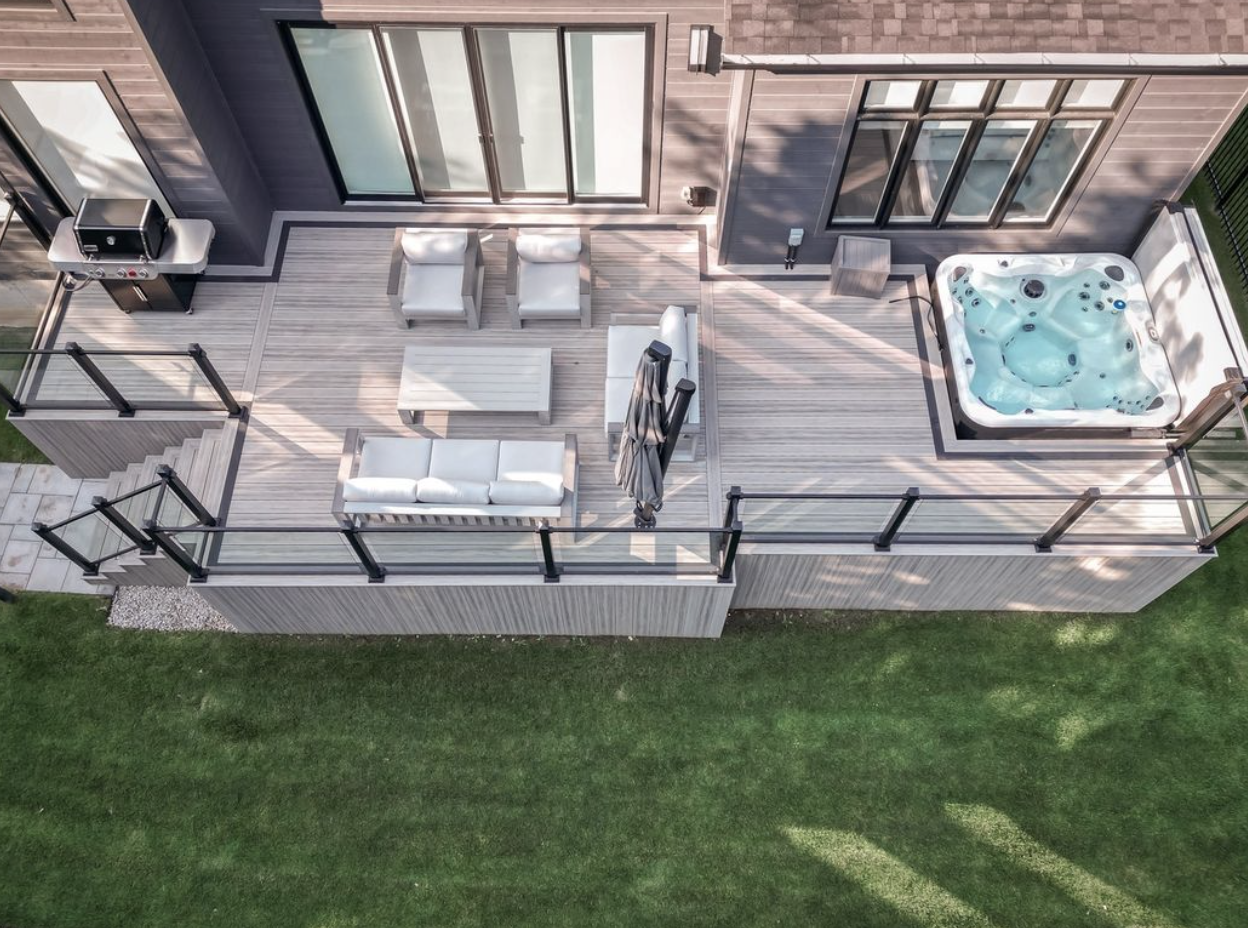
Why Deck Layout Matters More Than Most Homeowners Expect
Some decks look fine on paper but feel awkward once people start using them. The stairs may land in the wrong place. The dining area may feel too far from the kitchen. The path to the yard may cut right through the main seating space. That is why layout matters so much. A deck is not only about size. It is about how people move, gather, and enjoy the space every day.
Start With the Way People Actually Move
A strong layout begins with daily habits. People do not use a deck in random ways. They come out from certain doors, carry food from the kitchen, walk toward the yard, and gather in the same natural spots again and again. That is why experienced deck builders pay attention to movement first.
A few common flow points:
from the back door to the main seating area
from the kitchen to the dining space
from the deck down into the yard
When those paths feel easy, the whole outdoor area feels better.
A Good Layout Connects the House and Yard
A deck should help the home and yard work together, not feel like a barrier between them. Stair placement, deck shape, and transition points all affect whether the space feels open or frustrating.
For homeowners looking at deck builders Meridian Idaho, this often becomes a bigger issue than expected. A deck may have plenty of square footage, but if the layout interrupts access or creates awkward turns, it will never feel quite right.
The best layouts usually:
guide people naturally where they want to go
leave open space where movement happens most
make the yard feel easier to reach and use
Zones Work Better Than One Big Empty Platform
A deck tends to perform better when it has purpose built into the layout. That does not always mean walls or big separations. Sometimes it simply means giving dining, lounging, and transition areas their own logic.
This idea matters a lot in deck layout planning for better flow in the house because flow improves when each part of the deck knows what it is there to do. A thoughtful layout might include:
a dining area close to the house
a lounge area placed farther from foot traffic
a clear walking route that does not cut through both
That kind of structure makes the space feel calmer and easier to use.
Better Layout Usually Feels Better Right Away
Homeowners often notice good layout immediately, even if they cannot explain why. The deck feels open. Furniture fits more naturally. People move through the space without bumping into each other or crowding one corner.
Skilled deck builders know that comfort often comes from placement, not just from materials or style. A smart layout can make an average-sized deck feel more useful than a larger one with poor planning.
Conclusion
Deck layout affects far more than appearance. It shapes movement, comfort, and the way the house connects to the yard. When stairs, zones, and traffic paths are planned well, the whole outdoor space becomes easier to enjoy. If you want a deck that feels right from the first step, call Sunset Decks Idaho at (208) 739-6778 today and let us design a layout that truly works for your home.
How Multi-Level Decks Improve Outdoor Living and Yard Use
A flat deck can be a great fit for some homes. But in other yards, one large platform ends up doing too many jobs at once. Dining, relaxing, grilling, and moving between the house and yard all compete for the same space.
That is where a multi-level design can completely change the experience. Instead of forcing everything into one zone, it lets the outdoor area work in layers. The result often feels more natural, more useful, and much more custom.
Different Levels Can Give Each Area a Real Purpose
One of the biggest benefits of a multi-level layout is separation without disconnection. The spaces still belong together, but each one can do its own job better. A dining area can feel distinct from a lounge space, and stairs can become part of the design instead of just a way to get down to the yard.
That can make room for:
a quieter seating area away from the grill
a dining section closer to the house
a lower transition point that connects more smoothly to the lawn
This is one reason experienced deck builders often recommend layered layouts when homeowners want the backyard to feel more organized instead of crowded.
Uneven Yards Usually Benefit From a Smarter Layout
Not every property is flat, and that is not always a drawback. In fact, a yard with slope or grade change often works better with a deck that steps down in stages instead of forcing one tall platform into place.
For homeowners comparing deck builders Meridian Idaho, that can be an important design advantage. A multi-level structure can follow the shape of the property more naturally and make the whole yard easier to use.
It may help:
reduce the awkward feel of long stair runs
connect the home to the yard in a more balanced way
make elevation changes feel intentional rather than inconvenient
Better Flow Usually Means Better Everyday Use
Outdoor spaces should not just look good from inside the house. They should work when people are actually moving through them. That is where multi-level design often stands out. It can create clearer traffic paths, better spacing, and a more comfortable layout for family life and entertaining.
This becomes especially helpful when planning multi-level deck design for better backyard flow. A layered structure can guide movement in a way that feels easy, especially when several parts of the yard are being used at once.
A strong layout often improves:
the path from kitchen to dining space
the transition from upper deck to yard
the sense of openness during gatherings
The Backyard Often Looks Better Too
There is also a visual benefit. A multi-level deck can make the outdoor space feel more refined because it adds depth, shape, and rhythm to the yard. Instead of one large block of decking, the structure feels more tailored to the home and the land around it.
Deck builders should think about how the space feels from every angle, not just how much square footage it adds. A well-planned deck should improve the whole property, not just occupy part of it.
Conclusion
A multi-level deck can solve practical problems and improve the way a backyard feels at the same time. It gives separate outdoor areas more purpose, works better on uneven lots, and creates a smoother connection between the house and the yard. If your outdoor space needs more than one flat surface to truly work well, call Sunset Decks Idaho at (208) 739-6778 today and let us design something that fits your property beautifully.
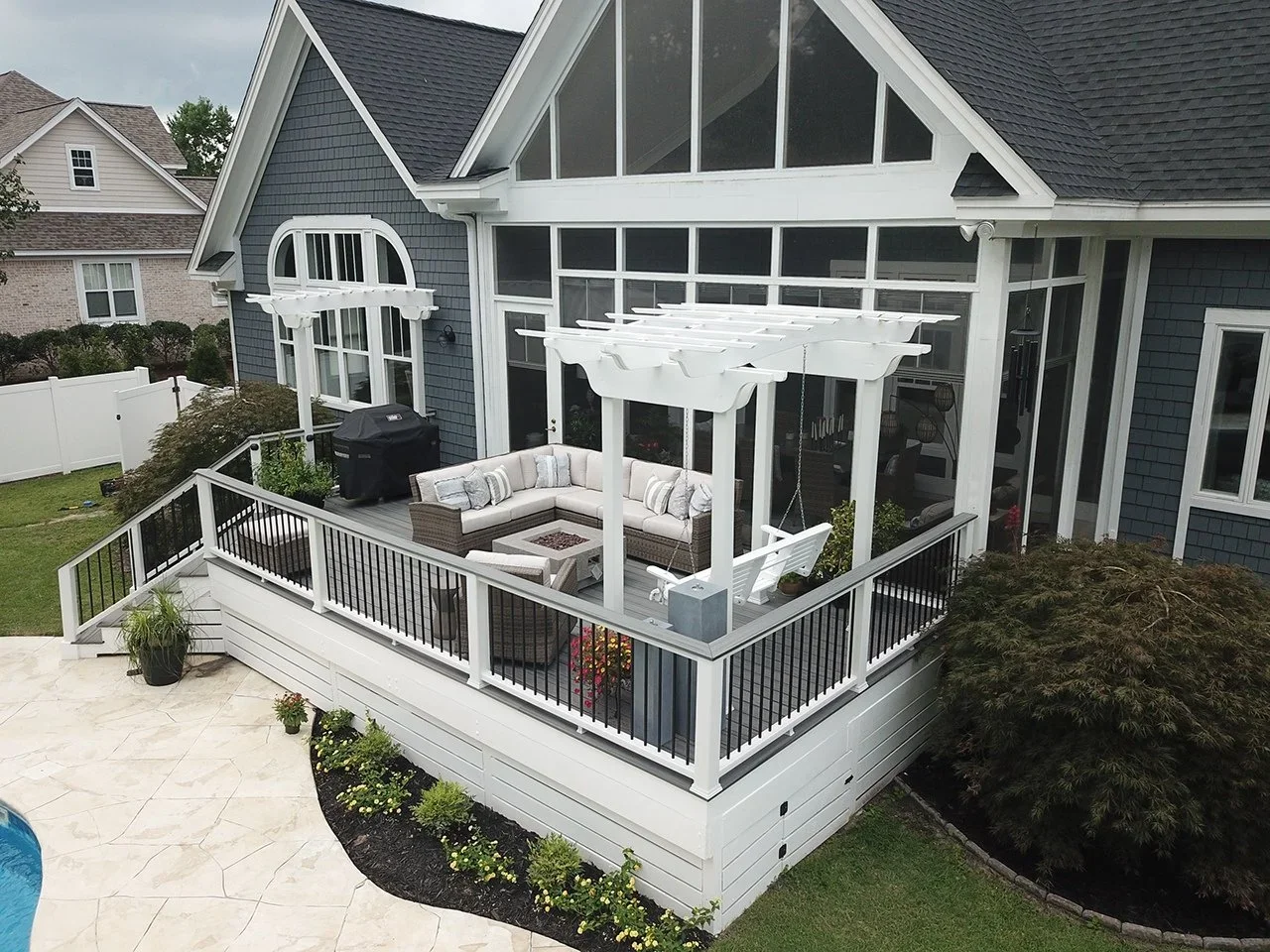
What Holds a Great Deck Together? Start With the Structure Below
Most homeowners notice the surface first. They see the color of the boards, the style of the railing, and the overall shape of the space. But the real strength of a deck lives underneath.
That hidden structure decides whether the deck feels solid, stays level, and performs well over time. If the support system is weak, even the nicest-looking finish will not make up for it. That is why strong deck design starts below the surface, where the footings, joists, and load planning all work together.
Footings Carry More Responsibility Than People Realize
A footing is one of the first pieces that has to do its job well. It transfers the weight of the deck into the ground and helps keep the whole structure stable. If that part is undersized or poorly placed, the rest of the build can suffer from shifting, settling, or uneven support.
A strong plan should account for:
soil conditions on the property
the size and weight of the structure
how the deck will handle seasonal changes over time
This is one reason experienced deck builders spend so much time getting the foundation right. If the base is wrong, the rest of the project is already working at a disadvantage.
Joists Shape Strength, Comfort, and Feel
Joists do more than hold boards in place. They affect how firm the deck feels underfoot and how evenly weight is carried across the structure. A deck with weak joist planning can feel springy, soft, or less secure than it should.
That is where good spacing and sizing matter. In projects involving deck builders Boise Idaho, joist layout often becomes one of the biggest factors in whether a deck feels truly well built once people start using it.
A few things joists help control:
how solid the walking surface feels
how much support the boards receive
how well the structure handles everyday use and heavier gatherings
Load Ratings Are About Real-Life Use
Decks are not built for empty days only. They are expected to handle furniture, people, grills, planters, and in Idaho, sometimes serious snow. That is why load planning matters so much. It is not just about meeting a rule on paper. It is about designing for the way the space will actually be used.
This becomes especially important when thinking about deck footing and joist spacing for safe load support. A deck should be prepared for more than its own weight. It should be ready for the life happening on top of it.
When load planning is taken seriously:
gatherings feel safer and more comfortable
the structure performs better over time
the deck is less likely to show early signs of stress
Good Design Hides the Hard Work
The best structural work is often invisible to the homeowner once the project is done. That is part of what makes it easy to overlook. A deck may feel simple and elegant from above, while underneath it is carrying out a very careful engineering job.
We always believe deck builders should treat structure as one of the most important parts of the project, not the least visible one. A great deck should not only look polished. It should feel dependable every time someone steps onto it.
Conclusion
Footings, joists, and load ratings are what turn a deck from a nice-looking platform into a structure that feels strong and lasting. They support comfort, safety, and long-term performance in ways homeowners may never fully see, but will absolutely feel. If you want a deck built on real strength from the ground up, call Sunset Decks Idaho at (208) 739-6778 today and let us build it the right way.
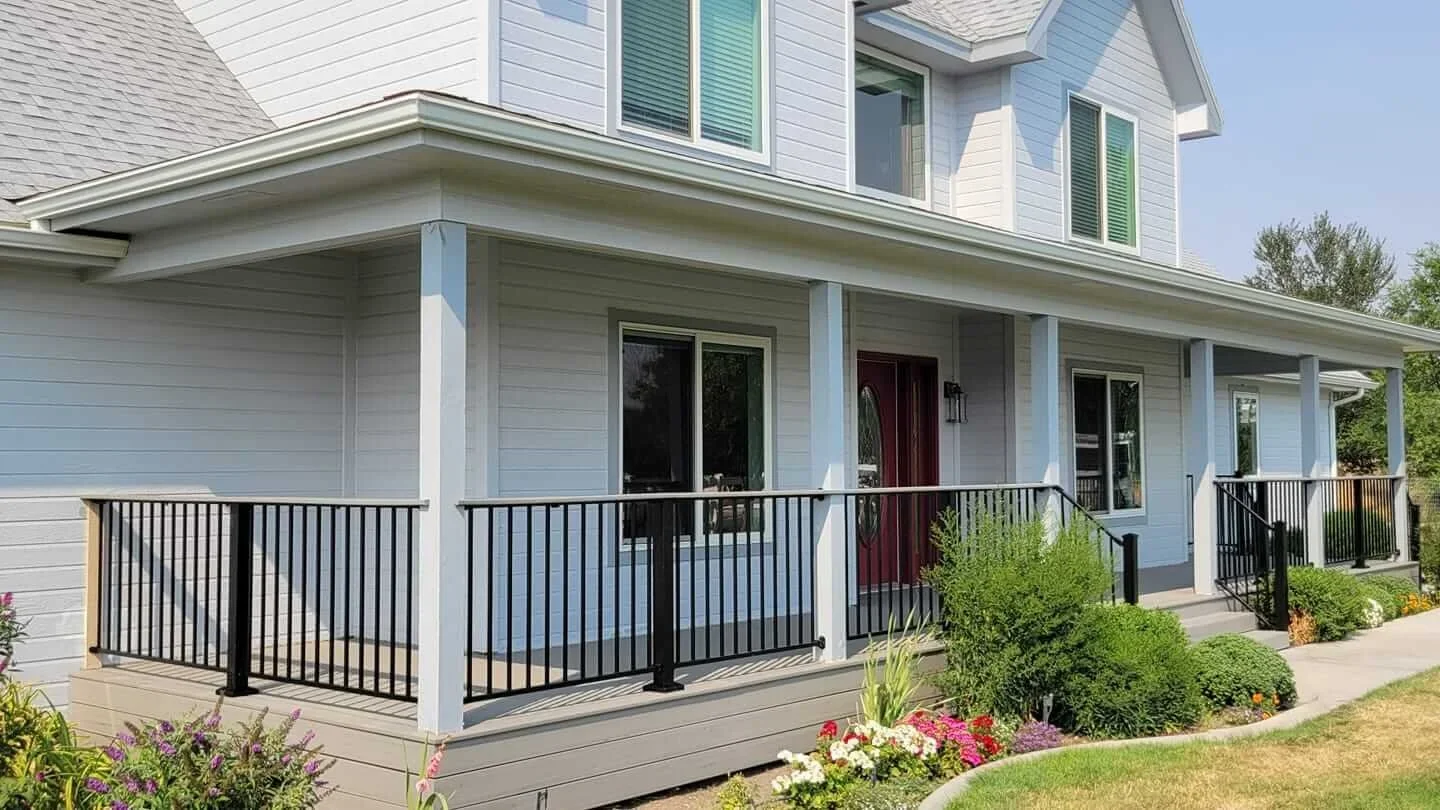
How Does Climate Affects Deck Framing, Materials, and Lifespan
A deck has to do more than look good on a sunny afternoon. It has to keep performing through hot summers, cold winters, snow, rain, and changing moisture levels. In Idaho, that matters more than many homeowners first realize.
A surface that seems strong in the showroom can act very differently after years of sun exposure, freeze-thaw cycles, and seasonal movement. That is why climate should be part of the planning conversation from the beginning, not an afterthought once materials have already been chosen.
Snow and Seasonal Weight Change the Structural Demands
Winter weather puts real pressure on an outdoor structure. Snow may sit on the deck for long periods, and that added weight affects the frame below. The boards matter, of course, but the real performance often depends on what is supporting them underneath.
Footings need to be planned for local conditions.
Joists and beams should match the expected load.
Fasteners and connectors should be chosen with long-term durability in mind.
This is one reason skilled deck builders pay close attention to structure before they ever talk about color or finish. A deck should feel strong in every season, not only during the easiest months of the year.
Sun Exposure Can Wear Materials Down Faster Than Expected
Summer weather brings a different challenge. Strong direct sunlight can fade surfaces, dry out wood, and increase the surface temperature of certain products. In some yards, the deck gets morning light. In others, it sits in intense afternoon sun that hits the same area for hours every day.
That difference matters. For homeowners comparing deck builders Boise Idaho, the amount of sun a deck receives can play a big role in material selection and long-term appearance.
Moisture Cycles Affect More Than the Surface
Rain, melting snow, frost, and humidity all create movement in outdoor materials. Water does not have to sit in puddles to cause trouble. Even repeated dampness and drying can wear on the deck over time if the layout and spacing are not planned carefully.
A smart design should account for deck materials and framing for Idaho weather conditions, especially where boards, framing, and drainage details all work together.
A few examples:
Board spacing affects how water moves off the surface.
Drainage planning helps reduce trapped moisture.
Better airflow can support longer material life.
This is where experience matters, because weather damage often starts in the details homeowners do not see right away.
Climate Planning Helps the Deck Last Longer
A well-built deck is not just about surviving one winter or one summer. It is about holding up year after year without losing its comfort, beauty, or reliability. Good planning helps homeowners avoid preventable repairs and get more value from the project over time.
In our work, we believe deck builders should think beyond the first impression. The best result comes from choosing materials and framing methods that fit the real conditions of the property, not just the look of the design.
Conclusion
Idaho weather has a direct effect on how a deck should be designed, framed, and finished. Snow load, sun exposure, and moisture cycles all influence how well the structure performs over time. When climate is part of the plan from the start, the finished deck tends to look better and last longer. Call Sunset Decks Idaho at (208) 739-6778 today and let us build an outdoor space ready for real Idaho conditions.
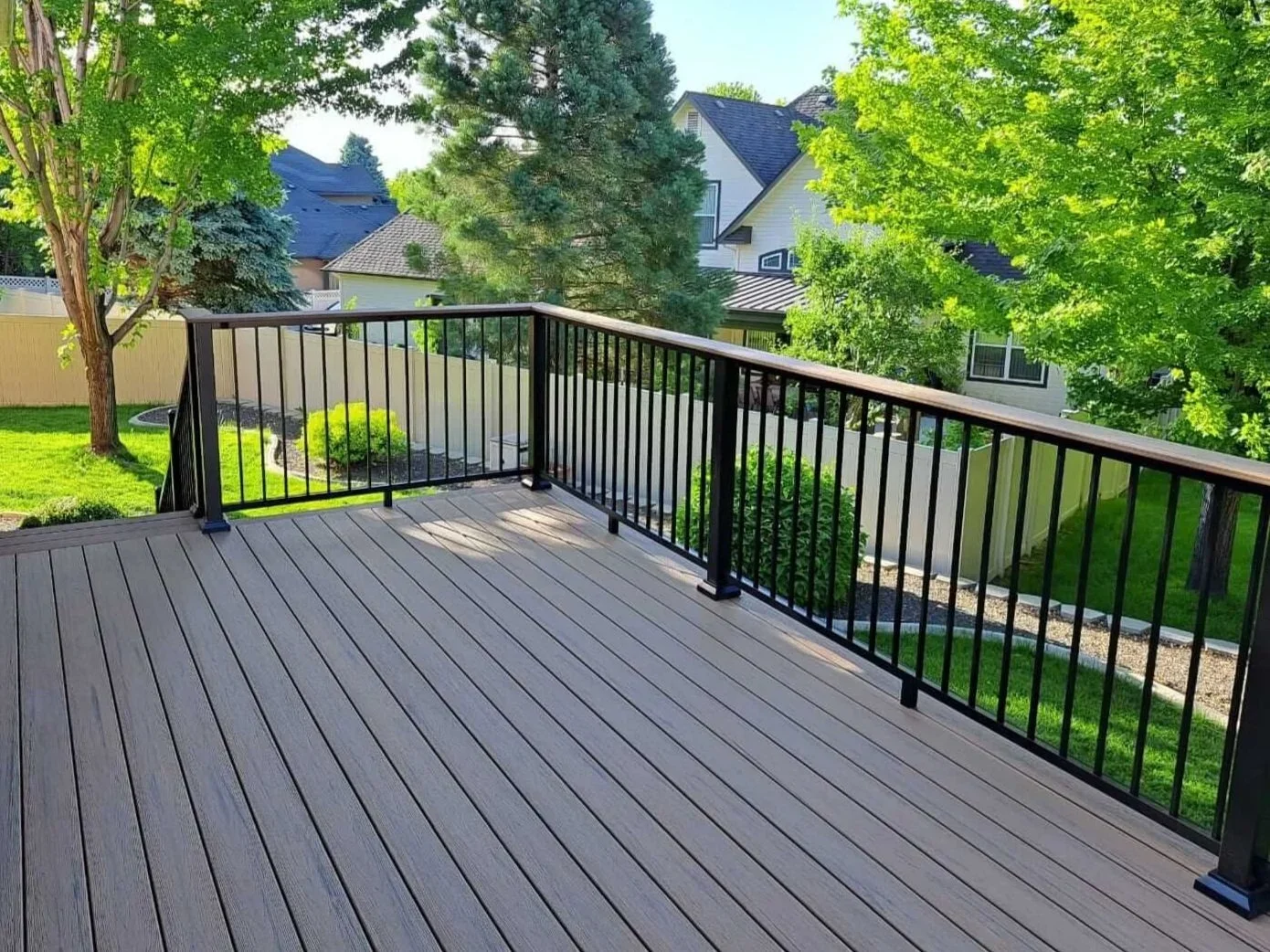
How Custom Deck Railings Influence Safety, Views, and Property Value
Deck railings do more than finish the edge of a deck. They affect how safe the space feels, how open the view looks, and how polished the final design appears. A railing choice may seem like a small detail at first, but it can shape the entire feel of the outdoor area. The right railing should match the home, support daily use, and help the deck feel complete instead of unfinished.
Safety Starts With the Right Railing Design
A railing has an important job. It helps protect people on the deck and adds security around stairs and elevated edges. When the design is planned carefully, the space feels safer and more comfortable for everyone using it.
Railings should feel sturdy and dependable.
Stair sections should support safe movement up and down.
Spacing and height both matter for everyday protection.
Safety should never feel like an afterthought. A deck can look beautiful, but it still needs railing features that help families and guests feel confident using the space.
Railings Can Protect the View or Block It
Some railing styles feel lighter and more open, while others create a stronger visual border around the deck. That choice can change how much of the yard, landscape, or surrounding scenery stays visible. In many projects, best custom deck railings for safety and open views becomes an important part of the design discussion.
Open styles can help preserve sightlines.
Heavier designs may create more visual separation.
The best choice depends on the setting around the deck.
This is one reason deck builders Caldwell ID should think about more than just the deck surface. A railing affects how the whole outdoor space is experienced once the project is finished.
Style Has a Big Impact on the Final Look
Railings are one of the first details people notice. Even if the decking itself is simple, the railing style can make the project feel modern, classic, bold, or understated. It helps tie the deck to the house and gives the space a more finished appearance.
Clean lines can create a more modern look.
Traditional styles may suit classic homes better.
Material choice helps shape the overall design.
A good railing does not just sit on the edge of the deck. It becomes part of the visual character of the entire outdoor space.
Better Railings Can Support Property Value
A deck that looks complete and well-designed can add to the overall appeal of a home. Railings play a big role in that because they affect both appearance and function. A polished, durable railing system can make the deck feel like a more valuable feature instead of just a basic structure.
Attractive details can improve the finished look.
Stronger materials may support longer-term performance.
A better design can make the outdoor space more appealing.
Experienced deck builders understand that value comes from combining safety, appearance, and usability. Railings may be one part of the project, but they can make a major difference in how the whole deck is perceived.
Conclusion
Custom deck railings influence much more than the edge of a deck. They support safety, shape the view, strengthen the overall design, and can add to the value of the property. When chosen carefully, they help the entire outdoor space feel more complete and more enjoyable to use.
For a custom deck built with thoughtful details from top to bottom, call Sunset Decks Idaho at (208) 739-6778 today and let our deck builders help you create a space that looks great and performs well.