
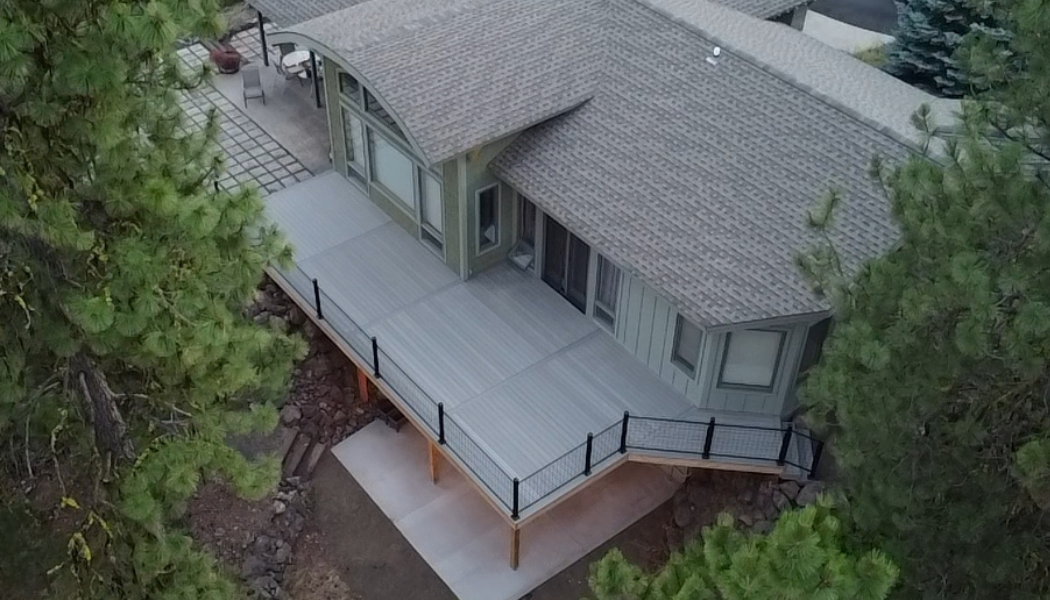
Hidden Structural Problems That Often Lead to Deck Failure
A deck can look perfectly fine from above and still have trouble underneath. The boards may seem straight. The railing may feel solid. The color may even look great. But hidden structural problems often start where homeowners do not look every day. That is what makes them so dangerous. By the time the issue becomes easy to spot, the repair may already be larger, more expensive, and more urgent than expected.
The Trouble Often Starts Small
Most deck failures do not begin with a dramatic collapse or one obvious break. They usually start with a smaller issue that keeps getting worse over time. Moisture, movement, and weak connections can slowly wear down the structure without drawing much attention at first.
A few early warning signs may include:
slight wobble when walking across the surface
railing movement that seems minor but feels different than before
boards or framing that hold moisture longer than they should
This is one reason skilled deck builders do not judge a structure by surface appearance alone. A deck can hide a lot beneath what looks like a normal finish.
Water Is Often the Real Enemy
One of the most common hidden problems is moisture damage. Water can collect around posts, fasteners, ledger connections, or framing members and stay there much longer than homeowners realize. Once that happens, the structure may begin to weaken from the inside out.
That kind of hidden wear matters even more when people start asking about the signs of structural deck damage before failure. Many of those signs point back to moisture that had too much time to do damage unnoticed.
Water-related problems may lead to:
soft or weakened wood below the surface
rusting hardware and failing connections
framing areas that no longer carry weight the same way
Bad Connections Can Turn Into Serious Risk
A deck depends on more than just lumber. It depends on how each part is tied together. If the ledger is weak, if bolts are failing, or if major load points are not properly supported, the structure may lose strength even when the surface still seems usable.
If you're also a homeowner searching for the best deck builders Fruitland ID, always keep in mind that work quality really matters. A well-built deck is not just about the boards you walk on. It is about whether the entire structure has been connected and supported the way it should be from the start.
Common connection issues include:
loose or failing attachment points at the house
undersupported beam or joist areas
hardware that has aged poorly in outdoor conditions
Hidden Problems Usually Get More Expensive With Time
Small structural issues rarely stay small. A deck that is already showing subtle movement, moisture damage, or weak connections is not likely to improve on its own. The longer the issue is ignored, the more likely it becomes that repairs will spread into other parts of the structure.
Experienced deck builders know that early evaluation can make a major difference. Catching the problem sooner often means more options, better safety, and a clearer path forward for the homeowner.
Conclusion
The most serious deck problems are often the ones homeowners cannot easily see. Weak connections, trapped moisture, and hidden framing damage can all lead to bigger failures if they are left alone too long. A deck should not only look good from above. It should be strong where it matters most. Call Sunset Decks Idaho at (208) 739-6778 today and let us help you make sure your deck is safe, sound, and built to last.
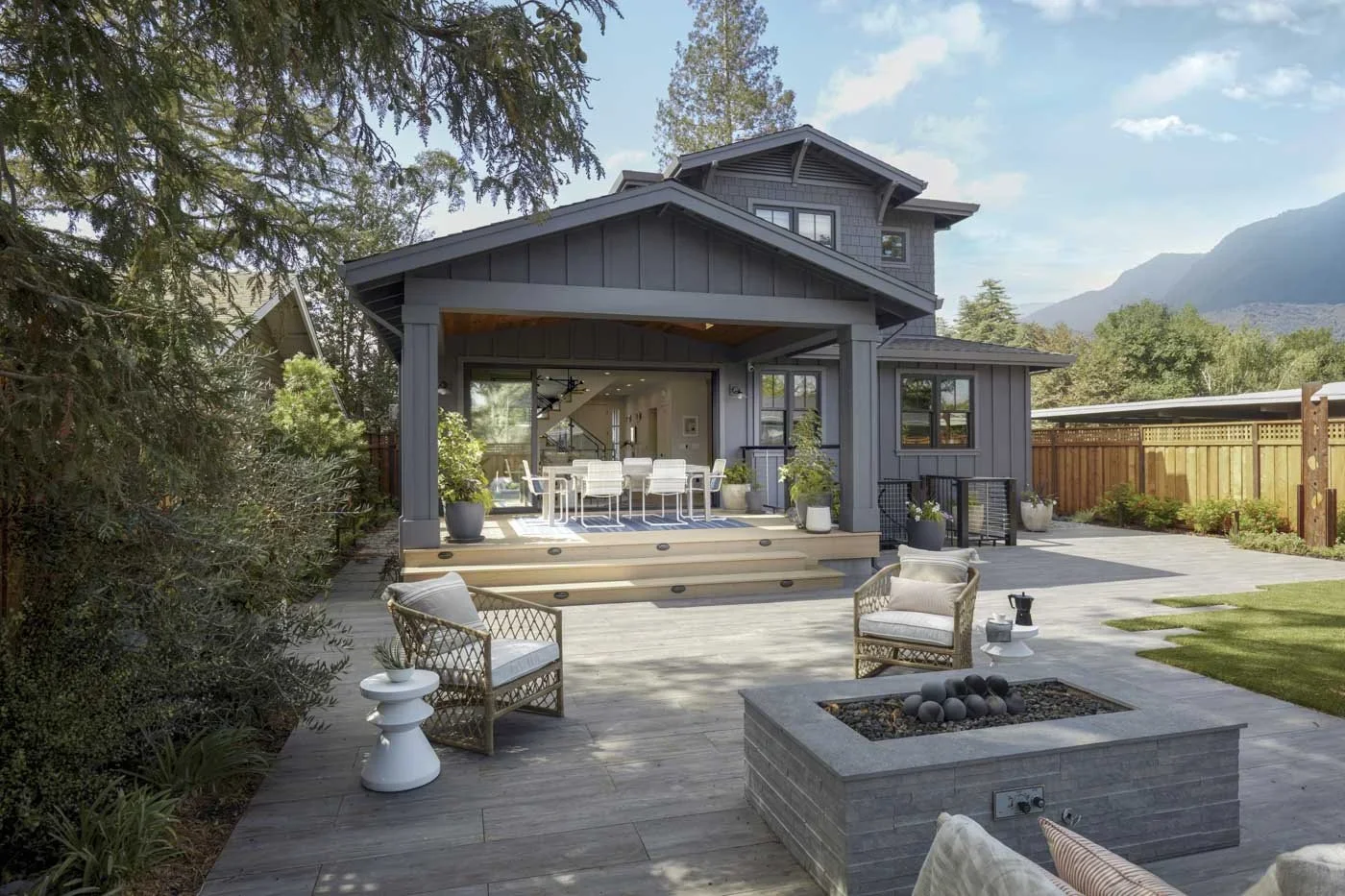
Ten Years Later: How Wood and Composite Decking Really Compare
A new deck almost always looks exciting at the start. Fresh boards, clean lines, and a new outdoor space can make either material seem like the perfect choice. The bigger question is what happens later.
After years of sun, rain, snow, foot traffic, and seasonal change, wood and composite do not always age the same way. That is why the better comparison is not just about installation day. It is about how the surface looks, feels, and performs far into the future.
First Impressions Can Be Misleading
Wood often wins people over with its warmth and natural character. Composite, on the other hand, usually attracts homeowners who want a cleaner and more uniform look. Both can be beautiful, but first impressions only tell part of the story.
What matters after the excitement of a new build wears off?
how the surface handles weather
how much upkeep it asks for
how well it keeps its appearance over time
That is where the real comparison begins.
Wood Can Age Beautifully, but It Asks for More Attention
Many homeowners love the look of real wood, and for good reason. It has natural variation, texture, and a classic outdoor feel that many manufactured products try to imitate. But that beauty usually comes with a tradeoff.
Wood often needs:
sealing or staining over time
more regular cleaning and care
occasional repair when boards crack or wear unevenly
For some people, that upkeep is worth it. For others, it becomes one more thing on a growing home-maintenance list. This is one reason experienced deck builders often ask not just what material looks better now, but what level of maintenance will still feel realistic years from now.
Composite Usually Wins on Consistency
Composite decking appeals to homeowners who want a surface that stays more consistent with less ongoing work. It does not behave exactly like wood, and that is often the point. It is chosen for stability, lower maintenance, and a more predictable long-term appearance.
For homeowners comparing deck builders Fruitland ID, composite often enters the conversation when the goal is easier upkeep without giving up a polished finish.
One reason this matters is the question of composite vs wood deck performance over 10 years. That is where differences become much easier to see, especially in climates with strong sun and changing seasons.
Composite often offers:
less routine refinishing
more color consistency over time
fewer concerns about splinters or surface cracking
The Better Choice Depends on How the Deck Will Be Used
There is no single winner for every home. A quiet backyard retreat may lead one homeowner toward wood. A busy family space with lots of daily traffic may point another toward composite. Lifestyle matters just as much as appearance.
A smart decision usually comes down to:
how often the deck will be used
how much maintenance feels acceptable
whether natural character or easier upkeep matters more
We know that the best material is not always the most expensive one or the most popular one. It is the one that fits the way the homeowner actually lives.
Conclusion
Wood and composite can both create a beautiful outdoor space, but they often tell different stories over time. One offers natural character with more upkeep. The other offers consistency with less maintenance.
The right decision comes from thinking beyond the first season and planning for the years ahead. Call Sunset Decks Idaho at (208) 739-6778 today and let our deck builders help you choose the material that truly fits your home and your lifestyle.
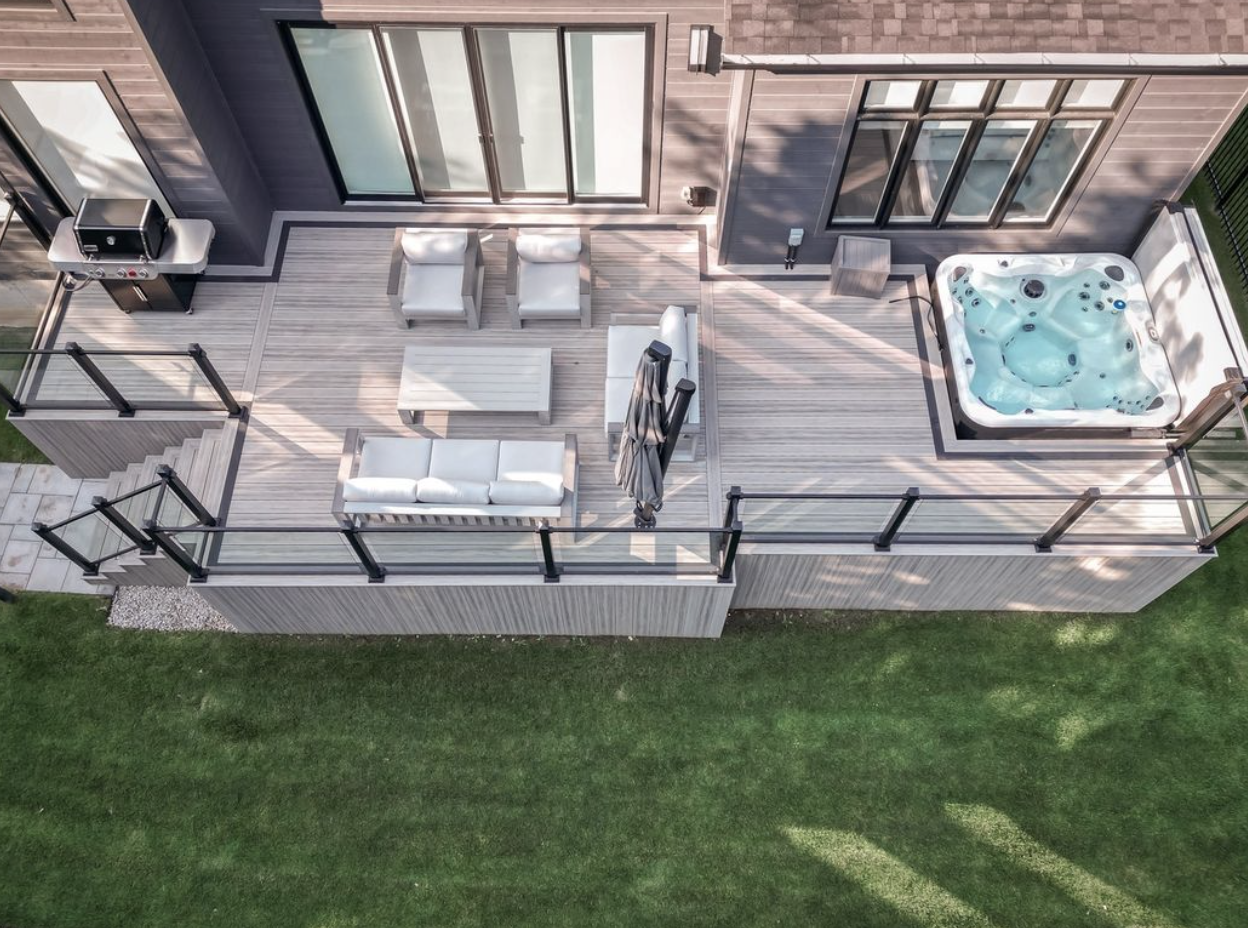
Why Deck Layout Matters More Than Most Homeowners Expect
Some decks look fine on paper but feel awkward once people start using them. The stairs may land in the wrong place. The dining area may feel too far from the kitchen. The path to the yard may cut right through the main seating space. That is why layout matters so much. A deck is not only about size. It is about how people move, gather, and enjoy the space every day.
Start With the Way People Actually Move
A strong layout begins with daily habits. People do not use a deck in random ways. They come out from certain doors, carry food from the kitchen, walk toward the yard, and gather in the same natural spots again and again. That is why experienced deck builders pay attention to movement first.
A few common flow points:
from the back door to the main seating area
from the kitchen to the dining space
from the deck down into the yard
When those paths feel easy, the whole outdoor area feels better.
A Good Layout Connects the House and Yard
A deck should help the home and yard work together, not feel like a barrier between them. Stair placement, deck shape, and transition points all affect whether the space feels open or frustrating.
For homeowners looking at deck builders Meridian Idaho, this often becomes a bigger issue than expected. A deck may have plenty of square footage, but if the layout interrupts access or creates awkward turns, it will never feel quite right.
The best layouts usually:
guide people naturally where they want to go
leave open space where movement happens most
make the yard feel easier to reach and use
Zones Work Better Than One Big Empty Platform
A deck tends to perform better when it has purpose built into the layout. That does not always mean walls or big separations. Sometimes it simply means giving dining, lounging, and transition areas their own logic.
This idea matters a lot in deck layout planning for better flow in the house because flow improves when each part of the deck knows what it is there to do. A thoughtful layout might include:
a dining area close to the house
a lounge area placed farther from foot traffic
a clear walking route that does not cut through both
That kind of structure makes the space feel calmer and easier to use.
Better Layout Usually Feels Better Right Away
Homeowners often notice good layout immediately, even if they cannot explain why. The deck feels open. Furniture fits more naturally. People move through the space without bumping into each other or crowding one corner.
Skilled deck builders know that comfort often comes from placement, not just from materials or style. A smart layout can make an average-sized deck feel more useful than a larger one with poor planning.
Conclusion
Deck layout affects far more than appearance. It shapes movement, comfort, and the way the house connects to the yard. When stairs, zones, and traffic paths are planned well, the whole outdoor space becomes easier to enjoy. If you want a deck that feels right from the first step, call Sunset Decks Idaho at (208) 739-6778 today and let us design a layout that truly works for your home.
How Multi-Level Decks Improve Outdoor Living and Yard Use
A flat deck can be a great fit for some homes. But in other yards, one large platform ends up doing too many jobs at once. Dining, relaxing, grilling, and moving between the house and yard all compete for the same space.
That is where a multi-level design can completely change the experience. Instead of forcing everything into one zone, it lets the outdoor area work in layers. The result often feels more natural, more useful, and much more custom.
Different Levels Can Give Each Area a Real Purpose
One of the biggest benefits of a multi-level layout is separation without disconnection. The spaces still belong together, but each one can do its own job better. A dining area can feel distinct from a lounge space, and stairs can become part of the design instead of just a way to get down to the yard.
That can make room for:
a quieter seating area away from the grill
a dining section closer to the house
a lower transition point that connects more smoothly to the lawn
This is one reason experienced deck builders often recommend layered layouts when homeowners want the backyard to feel more organized instead of crowded.
Uneven Yards Usually Benefit From a Smarter Layout
Not every property is flat, and that is not always a drawback. In fact, a yard with slope or grade change often works better with a deck that steps down in stages instead of forcing one tall platform into place.
For homeowners comparing deck builders Meridian Idaho, that can be an important design advantage. A multi-level structure can follow the shape of the property more naturally and make the whole yard easier to use.
It may help:
reduce the awkward feel of long stair runs
connect the home to the yard in a more balanced way
make elevation changes feel intentional rather than inconvenient
Better Flow Usually Means Better Everyday Use
Outdoor spaces should not just look good from inside the house. They should work when people are actually moving through them. That is where multi-level design often stands out. It can create clearer traffic paths, better spacing, and a more comfortable layout for family life and entertaining.
This becomes especially helpful when planning multi-level deck design for better backyard flow. A layered structure can guide movement in a way that feels easy, especially when several parts of the yard are being used at once.
A strong layout often improves:
the path from kitchen to dining space
the transition from upper deck to yard
the sense of openness during gatherings
The Backyard Often Looks Better Too
There is also a visual benefit. A multi-level deck can make the outdoor space feel more refined because it adds depth, shape, and rhythm to the yard. Instead of one large block of decking, the structure feels more tailored to the home and the land around it.
Deck builders should think about how the space feels from every angle, not just how much square footage it adds. A well-planned deck should improve the whole property, not just occupy part of it.
Conclusion
A multi-level deck can solve practical problems and improve the way a backyard feels at the same time. It gives separate outdoor areas more purpose, works better on uneven lots, and creates a smoother connection between the house and the yard. If your outdoor space needs more than one flat surface to truly work well, call Sunset Decks Idaho at (208) 739-6778 today and let us design something that fits your property beautifully.
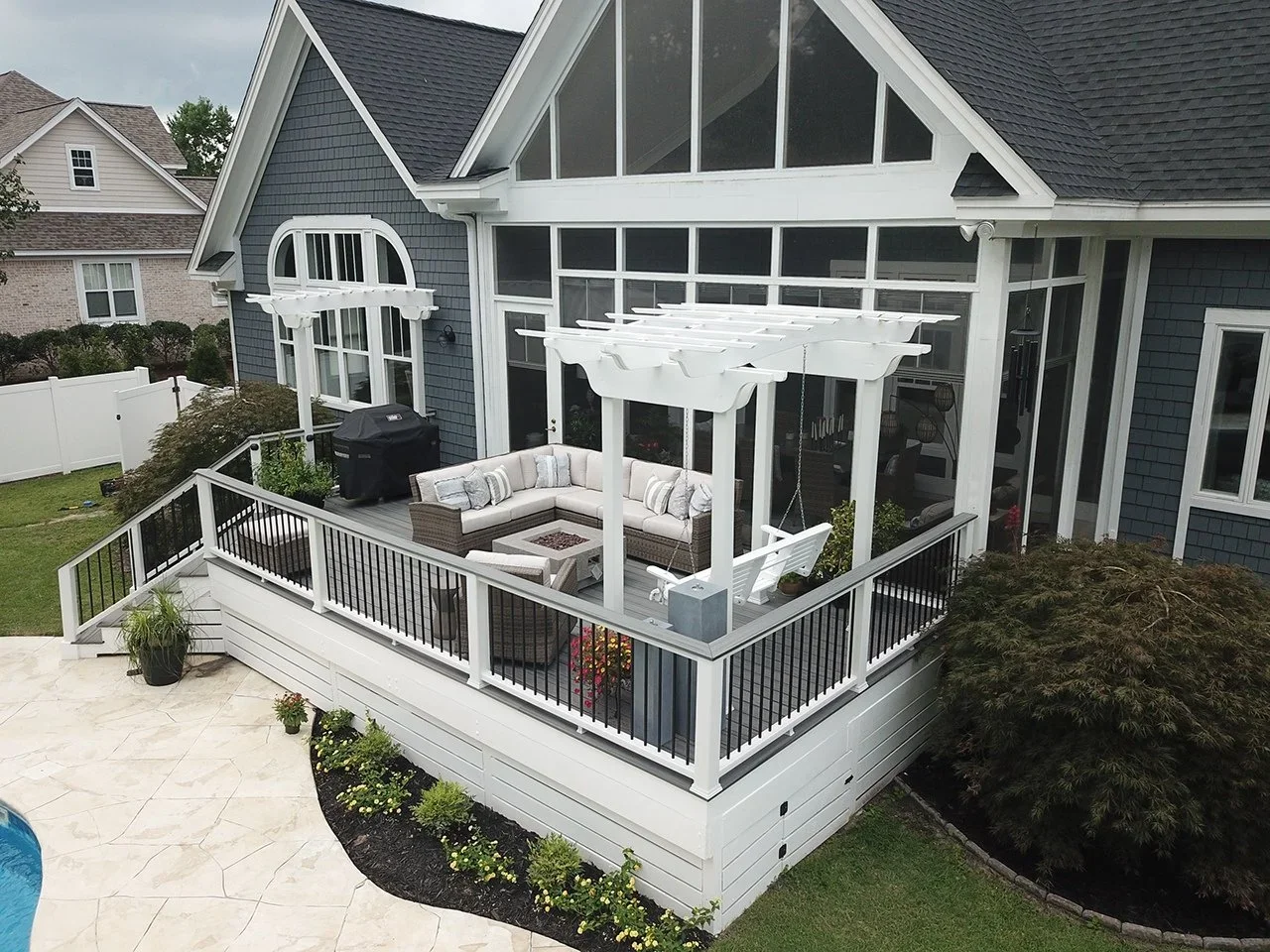
What Holds a Great Deck Together? Start With the Structure Below
Most homeowners notice the surface first. They see the color of the boards, the style of the railing, and the overall shape of the space. But the real strength of a deck lives underneath.
That hidden structure decides whether the deck feels solid, stays level, and performs well over time. If the support system is weak, even the nicest-looking finish will not make up for it. That is why strong deck design starts below the surface, where the footings, joists, and load planning all work together.
Footings Carry More Responsibility Than People Realize
A footing is one of the first pieces that has to do its job well. It transfers the weight of the deck into the ground and helps keep the whole structure stable. If that part is undersized or poorly placed, the rest of the build can suffer from shifting, settling, or uneven support.
A strong plan should account for:
soil conditions on the property
the size and weight of the structure
how the deck will handle seasonal changes over time
This is one reason experienced deck builders spend so much time getting the foundation right. If the base is wrong, the rest of the project is already working at a disadvantage.
Joists Shape Strength, Comfort, and Feel
Joists do more than hold boards in place. They affect how firm the deck feels underfoot and how evenly weight is carried across the structure. A deck with weak joist planning can feel springy, soft, or less secure than it should.
That is where good spacing and sizing matter. In projects involving deck builders Boise Idaho, joist layout often becomes one of the biggest factors in whether a deck feels truly well built once people start using it.
A few things joists help control:
how solid the walking surface feels
how much support the boards receive
how well the structure handles everyday use and heavier gatherings
Load Ratings Are About Real-Life Use
Decks are not built for empty days only. They are expected to handle furniture, people, grills, planters, and in Idaho, sometimes serious snow. That is why load planning matters so much. It is not just about meeting a rule on paper. It is about designing for the way the space will actually be used.
This becomes especially important when thinking about deck footing and joist spacing for safe load support. A deck should be prepared for more than its own weight. It should be ready for the life happening on top of it.
When load planning is taken seriously:
gatherings feel safer and more comfortable
the structure performs better over time
the deck is less likely to show early signs of stress
Good Design Hides the Hard Work
The best structural work is often invisible to the homeowner once the project is done. That is part of what makes it easy to overlook. A deck may feel simple and elegant from above, while underneath it is carrying out a very careful engineering job.
We always believe deck builders should treat structure as one of the most important parts of the project, not the least visible one. A great deck should not only look polished. It should feel dependable every time someone steps onto it.
Conclusion
Footings, joists, and load ratings are what turn a deck from a nice-looking platform into a structure that feels strong and lasting. They support comfort, safety, and long-term performance in ways homeowners may never fully see, but will absolutely feel. If you want a deck built on real strength from the ground up, call Sunset Decks Idaho at (208) 739-6778 today and let us build it the right way.
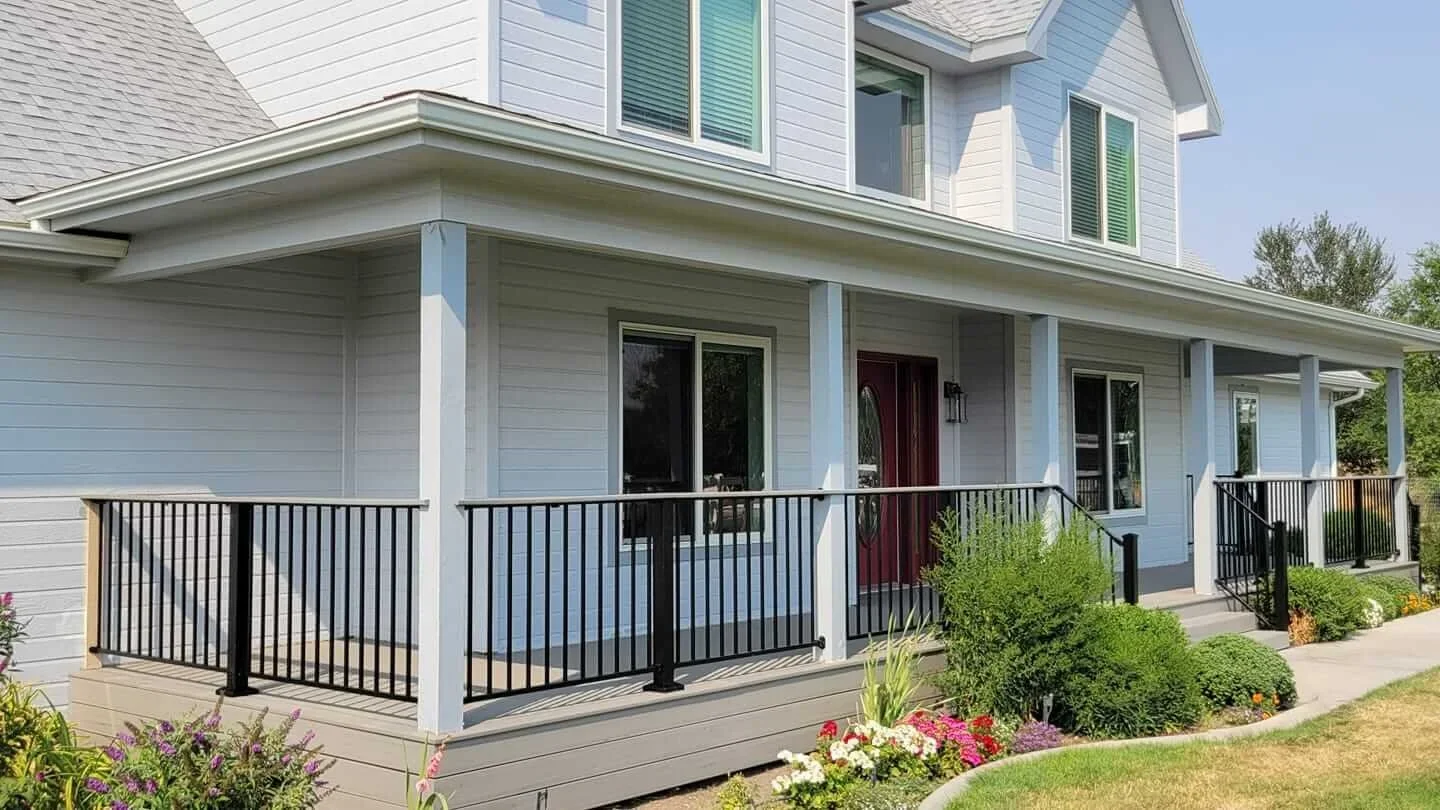
How Does Climate Affects Deck Framing, Materials, and Lifespan
A deck has to do more than look good on a sunny afternoon. It has to keep performing through hot summers, cold winters, snow, rain, and changing moisture levels. In Idaho, that matters more than many homeowners first realize.
A surface that seems strong in the showroom can act very differently after years of sun exposure, freeze-thaw cycles, and seasonal movement. That is why climate should be part of the planning conversation from the beginning, not an afterthought once materials have already been chosen.
Snow and Seasonal Weight Change the Structural Demands
Winter weather puts real pressure on an outdoor structure. Snow may sit on the deck for long periods, and that added weight affects the frame below. The boards matter, of course, but the real performance often depends on what is supporting them underneath.
Footings need to be planned for local conditions.
Joists and beams should match the expected load.
Fasteners and connectors should be chosen with long-term durability in mind.
This is one reason skilled deck builders pay close attention to structure before they ever talk about color or finish. A deck should feel strong in every season, not only during the easiest months of the year.
Sun Exposure Can Wear Materials Down Faster Than Expected
Summer weather brings a different challenge. Strong direct sunlight can fade surfaces, dry out wood, and increase the surface temperature of certain products. In some yards, the deck gets morning light. In others, it sits in intense afternoon sun that hits the same area for hours every day.
That difference matters. For homeowners comparing deck builders Boise Idaho, the amount of sun a deck receives can play a big role in material selection and long-term appearance.
Moisture Cycles Affect More Than the Surface
Rain, melting snow, frost, and humidity all create movement in outdoor materials. Water does not have to sit in puddles to cause trouble. Even repeated dampness and drying can wear on the deck over time if the layout and spacing are not planned carefully.
A smart design should account for deck materials and framing for Idaho weather conditions, especially where boards, framing, and drainage details all work together.
A few examples:
Board spacing affects how water moves off the surface.
Drainage planning helps reduce trapped moisture.
Better airflow can support longer material life.
This is where experience matters, because weather damage often starts in the details homeowners do not see right away.
Climate Planning Helps the Deck Last Longer
A well-built deck is not just about surviving one winter or one summer. It is about holding up year after year without losing its comfort, beauty, or reliability. Good planning helps homeowners avoid preventable repairs and get more value from the project over time.
In our work, we believe deck builders should think beyond the first impression. The best result comes from choosing materials and framing methods that fit the real conditions of the property, not just the look of the design.
Conclusion
Idaho weather has a direct effect on how a deck should be designed, framed, and finished. Snow load, sun exposure, and moisture cycles all influence how well the structure performs over time. When climate is part of the plan from the start, the finished deck tends to look better and last longer. Call Sunset Decks Idaho at (208) 739-6778 today and let us build an outdoor space ready for real Idaho conditions.
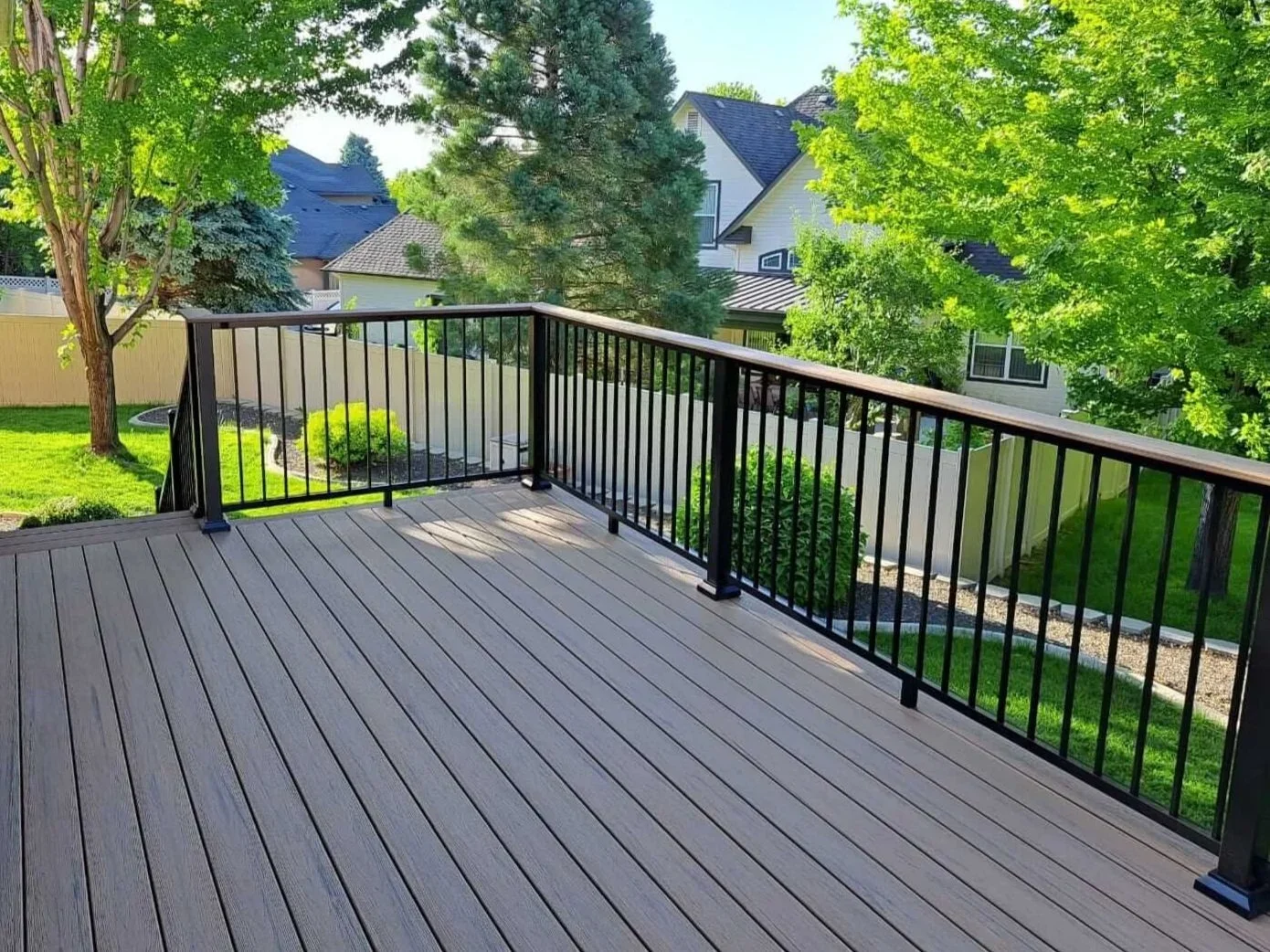
How Custom Deck Railings Influence Safety, Views, and Property Value
Deck railings do more than finish the edge of a deck. They affect how safe the space feels, how open the view looks, and how polished the final design appears. A railing choice may seem like a small detail at first, but it can shape the entire feel of the outdoor area. The right railing should match the home, support daily use, and help the deck feel complete instead of unfinished.
Safety Starts With the Right Railing Design
A railing has an important job. It helps protect people on the deck and adds security around stairs and elevated edges. When the design is planned carefully, the space feels safer and more comfortable for everyone using it.
Railings should feel sturdy and dependable.
Stair sections should support safe movement up and down.
Spacing and height both matter for everyday protection.
Safety should never feel like an afterthought. A deck can look beautiful, but it still needs railing features that help families and guests feel confident using the space.
Railings Can Protect the View or Block It
Some railing styles feel lighter and more open, while others create a stronger visual border around the deck. That choice can change how much of the yard, landscape, or surrounding scenery stays visible. In many projects, best custom deck railings for safety and open views becomes an important part of the design discussion.
Open styles can help preserve sightlines.
Heavier designs may create more visual separation.
The best choice depends on the setting around the deck.
This is one reason deck builders Caldwell ID should think about more than just the deck surface. A railing affects how the whole outdoor space is experienced once the project is finished.
Style Has a Big Impact on the Final Look
Railings are one of the first details people notice. Even if the decking itself is simple, the railing style can make the project feel modern, classic, bold, or understated. It helps tie the deck to the house and gives the space a more finished appearance.
Clean lines can create a more modern look.
Traditional styles may suit classic homes better.
Material choice helps shape the overall design.
A good railing does not just sit on the edge of the deck. It becomes part of the visual character of the entire outdoor space.
Better Railings Can Support Property Value
A deck that looks complete and well-designed can add to the overall appeal of a home. Railings play a big role in that because they affect both appearance and function. A polished, durable railing system can make the deck feel like a more valuable feature instead of just a basic structure.
Attractive details can improve the finished look.
Stronger materials may support longer-term performance.
A better design can make the outdoor space more appealing.
Experienced deck builders understand that value comes from combining safety, appearance, and usability. Railings may be one part of the project, but they can make a major difference in how the whole deck is perceived.
Conclusion
Custom deck railings influence much more than the edge of a deck. They support safety, shape the view, strengthen the overall design, and can add to the value of the property. When chosen carefully, they help the entire outdoor space feel more complete and more enjoyable to use.
For a custom deck built with thoughtful details from top to bottom, call Sunset Decks Idaho at (208) 739-6778 today and let our deck builders help you create a space that looks great and performs well.
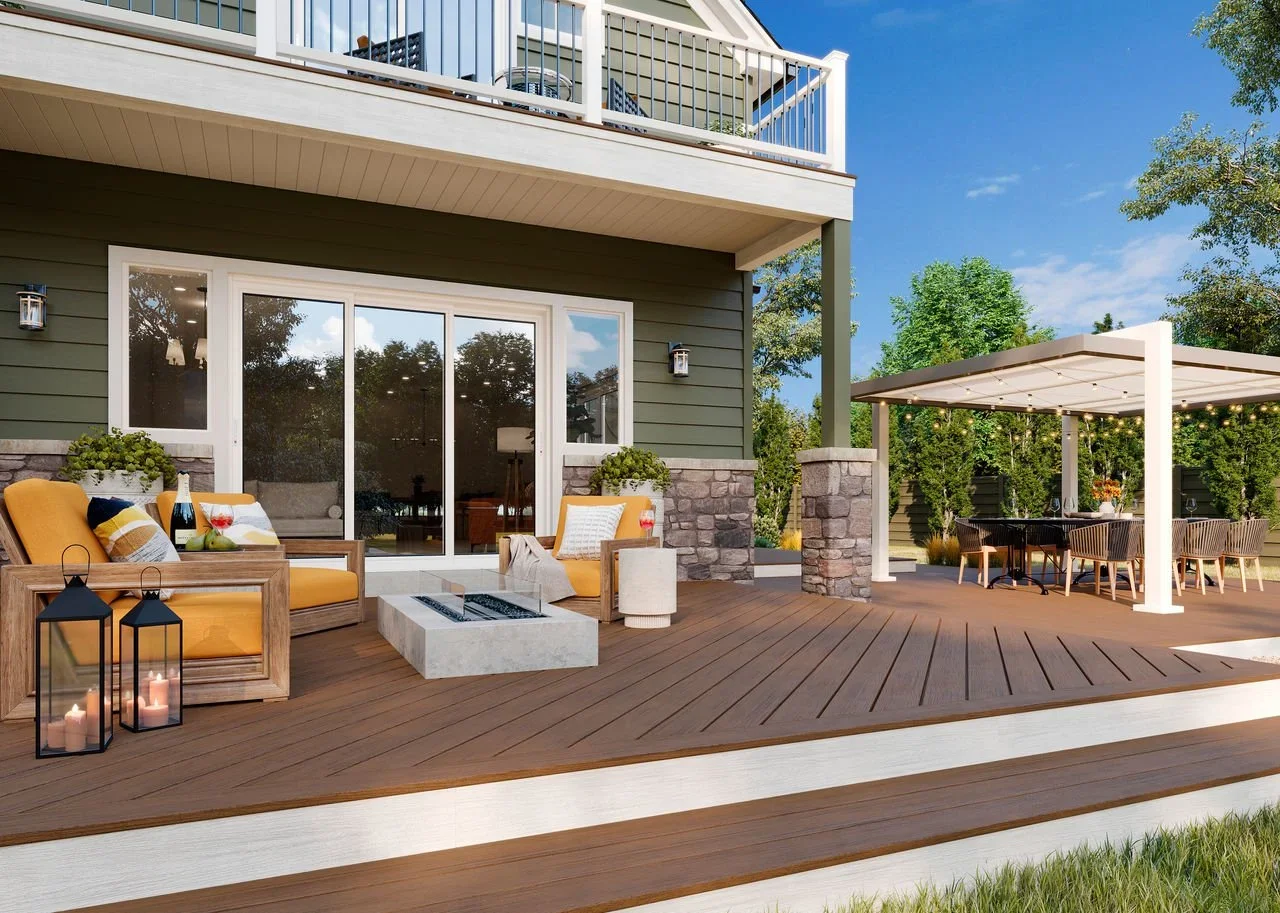
How Elevated Deck Drainage and Waterproofing Protect the Space Below
An elevated deck can add beautiful outdoor living space, but it also creates a new challenge: water control. Rain, melting snow, and everyday moisture can collect on the surface and move into places where it should not.
If drainage and waterproofing are not planned well, the deck may wear out faster and the area below may become harder to use. A deck should do more than look good from above. It should also manage water in a way that protects the structure over time.
Water Needs a Way to Move Off the Deck
Every elevated deck is exposed to the weather, which means water will always be part of the equation. The goal is not to stop water from landing on the deck. The goal is to guide it away before it causes damage.
Water should not be allowed to pool in low areas.
Surface runoff should move away from key structural points.
Drainage planning should support the life of the entire deck.
When water has nowhere to go, it can sit on materials too long and create problems that grow worse over time.
Waterproofing Helps Protect the Structure Below
Elevated decks often sit above patios, entryways, or lower-level spaces. In that kind of setup, waterproofing can be just as important as surface drainage. A deck may still look fine on top while moisture slowly affects the area underneath. This is one reason elevated deck drainage and waterproofing systems should be part of the design conversation from the beginning.
Waterproofing can help reduce moisture reaching lower spaces.
It can help protect framing and nearby materials.
It may improve how useful the covered area below remains.
A better system above often leads to fewer moisture issues below.
Small Moisture Problems Can Turn Into Larger Damage
Water damage does not always show itself right away. It may start in hidden areas, then spread into framing connections, support members, or nearby finishes. By the time the problem is obvious, repairs may be much more costly.
Damp areas can weaken parts of the structure over time.
Trapped moisture may shorten the life of materials.
Hidden damage can affect both appearance and safety.
This is where deck builders Caldwell ID should think beyond the visible surface. A strong-looking deck still needs the right protection underneath to hold up well in changing weather.
Long-Term Performance Depends on Smart Planning
Good drainage and waterproofing are not extra features added at the end. They are part of building a deck that performs well year after year. When these details are handled early, the entire outdoor space tends to work better.
Smart planning can reduce future maintenance needs.
A drier lower area may be easier to enjoy and maintain.
Better water control can support longer deck life.
Professional deck builders know that long-term value often comes from the details most people never see.
Conclusion
An elevated deck needs more than strong framing and an attractive surface. It also needs a clear plan for drainage and waterproofing. When water is managed properly, the structure lasts longer and the space below stays better protected.
Experienced deck builders know that thoughtful design now can help prevent moisture problems later. If you want a deck built with long-term performance in mind, call Sunset Decks Idaho at (208) 739-6778 today and let us help you create an outdoor space that is built to last.
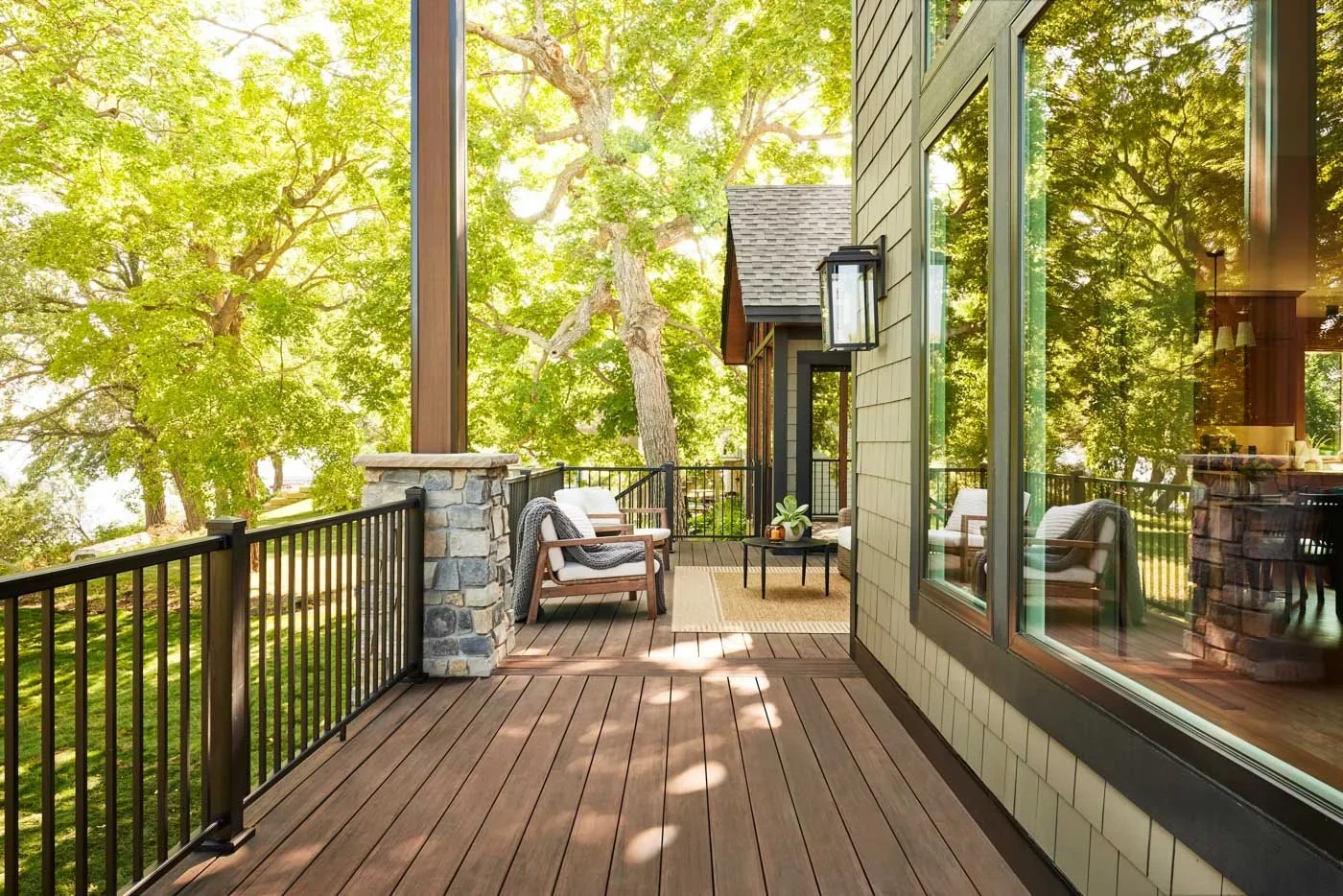
Deck Upgrades That Add the Most Long-Term Value
Not every deck upgrade gives the same return. Some changes make the space look better right away but do little for long-term use. Others improve comfort, reduce maintenance, and make the whole backyard feel more complete.
When homeowners are deciding where to spend more, it helps to focus on upgrades that bring both daily enjoyment and lasting value. A well-planned deck should not only look good when it is finished, but continue to feel like a smart investment over time.
Better Materials Can Increase Value Over Time
Material choice has a big effect on how a deck performs in the years ahead. A surface that resists wear, fading, and moisture problems can help reduce future repairs and keep the space looking more attractive.
Stronger materials often last longer with less upkeep.
Better finishes can help the deck keep its appearance.
Low-maintenance products may save time and money later.
This is one reason many deck builders encourage homeowners to think beyond the lowest starting price. What costs less today may require more attention later.
Lighting Makes the Deck More Useful
Lighting is one of the easiest ways to improve both function and appearance. It can help the deck stay usable after sunset while also making the space feel warmer and more inviting.
Step lights can improve safety.
Rail lighting can add a clean finished look.
Accent lights can highlight seating or gathering areas.
A deck that works well during the evening often feels more complete. It also gives homeowners more ways to enjoy the space throughout the week.
Built-In Features Can Add Everyday Comfort
Some upgrades improve the way the deck is used, not just the way it looks. Built-in seating, privacy features, and storage solutions can make the space feel more custom and more practical. This is especially true when planning deck upgrades with the best return on investment for homeowners who want both style and function.
Built-in benches can create extra seating.
Privacy screens can make the area feel more comfortable.
Storage features can help keep the deck organized.
These additions work best when they are part of the design instead of being added later without much planning.
Layout Improvements Can Make a Bigger Difference Than Expected
Sometimes the most valuable upgrade is not a product at all. It is a better layout. A deck with improved stair placement, clearer traffic flow, and stronger connection to the yard can feel much better to use every day.
Better stair placement can improve movement.
More open space can make gatherings feel easier.
A cleaner layout can improve the look of the whole backyard.
That is one reason deck builders Nampa ID should think carefully about how each upgrade fits the full design. Even small changes can have a big impact when they support the way the space is actually used.
Conclusion
The best deck upgrades do more than add visual appeal. They improve durability, comfort, safety, and the overall value of the outdoor space. Better materials, smart lighting, built-in features, and thoughtful layout changes can all make the deck more enjoyable now and more valuable later.
Skilled deck builders know that the right upgrades should support both daily life and long-term results. Call Sunset Decks Idaho at (208) 739-6778 today to create a deck that adds lasting value to your home.

Comparing Traditional Deck Framing and Modern Structural Systems
Most homeowners notice the surface of a deck first, but the framing underneath does the real work. It supports the boards, carries weight, and helps the structure stay strong over time. That is why framing methods matter so much.
A skilled deck builder looks beyond appearance and focuses on the structure that will support the deck for years. Some decks are built with more traditional systems, while others use newer structural approaches that can improve performance in certain situations.
Traditional Framing Has Been Used for Years
Traditional deck framing is familiar because it has been used for a long time in residential construction. It usually includes pressure-treated lumber, standard joist spacing, beams, posts, and common connection methods. When it is planned and installed well, it can provide strong and dependable support.
Pressure-treated lumber is widely used in traditional framing.
Standard layouts work well for many basic deck designs.
This method is often a practical choice for straightforward projects.
A traditional frame can be a solid option when the deck design is simple and the structural needs are clear. Good results depend on careful planning, proper spacing, and quality installation.
Newer Systems Can Offer Different Advantages
Modern framing systems may use upgraded hardware, engineered materials, or more advanced connection methods. These systems can help with certain design goals, especially when the layout is more complex or when long-term performance is a higher priority. In many cases, modern deck framing systems for long-term durability are considered when homeowners want a structure that stays solid under changing conditions.
Engineered components may improve consistency.
Advanced hardware can strengthen key connection points.
Some systems work well for larger or more custom layouts.
These newer methods are not always required, but they can offer real benefits depending on the project.
The Best Choice Depends on the Design
Not every deck needs the same type of frame. A simple backyard platform may do very well with a traditional system, while a larger layout with more features may need a different approach. The right choice should match the shape, size, and purpose of the deck.
Larger decks may place more demands on the structure.
Multi-level layouts can require more detailed support planning.
Added features may change the framing needs below.
This is why deck builders Nampa ID should look at the whole project before choosing a framing method. The structure needs to support how the deck will actually be used, not just how it will look when finished.
Strong Construction Matters More Than Labels
It is easy to focus on whether a framing system is called traditional or modern, but the bigger issue is whether it is built correctly. Even the best materials will not perform well if support points, spacing, and hardware are handled poorly.
Proper footings are essential for long-term stability.
Accurate spacing helps the deck feel solid underfoot.
Strong connections keep the frame working as one system.
Experienced deck builders know that a durable deck starts below the surface. The framing method matters, but the quality of the build matters just as much.
Conclusion
Deck framing affects much more than homeowners can see at a glance. Traditional systems and modern structural methods each have strengths, and the best option depends on the layout, goals, and long-term expectations for the project.
A deck performs best when the framing is matched to the design and built with care. For a strong outdoor space designed from the ground up, call Sunset Decks Idaho at (208) 739-6778 today and let us help you build with confidence.
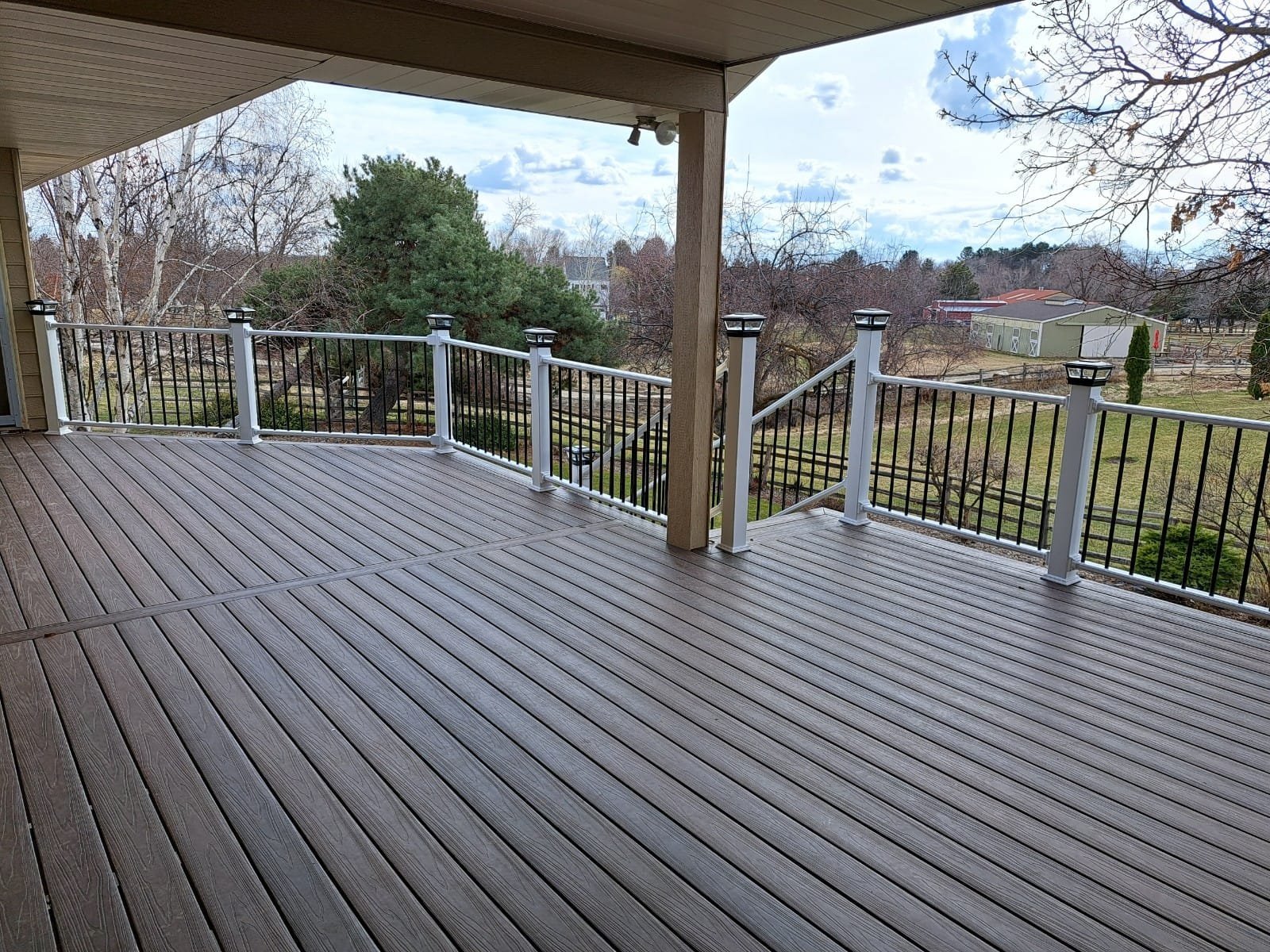
Bringing Decks, Patios, and Outdoor Features Into One Complete Design
A deck does not have to stand on its own. In many backyards, it works best when it connects smoothly with other outdoor features. A patio can create extra gathering space, a fire feature can make the area feel warmer and more inviting, and an outdoor kitchen can turn the backyard into a place for regular meals and entertaining. When these parts are planned together, the whole space feels more natural and much easier to enjoy.
Outdoor Kitchens Need Room to Function Well
An outdoor kitchen can be a great addition, but it should never feel squeezed into the deck layout. Cooking areas need enough space for movement, prep, and seating nearby. A crowded setup can make the whole backyard feel less comfortable.
Grill zones should allow safe clearance around the cooking area.
Prep space should be easy to reach from seating and dining areas.
Walkways should stay open so people can move around freely.
A deck works better when the kitchen area feels like part of the design instead of an add-on. Good spacing helps the whole setup feel more useful from day one.
Fire Features Should Add Comfort, Not Conflict
A fire feature often becomes a natural gathering spot. It can make the backyard feel cozy in the evening and add a strong focal point to the overall design. At the same time, placement matters because heat, smoke, and clearance all affect comfort.
Seating should be arranged at a safe and comfortable distance.
Materials nearby should suit the heat exposure.
The feature should not interrupt main traffic paths.
This is one area where deck builders Eagle Idaho should think beyond the deck surface alone. A fire feature has the most value when it fits the layout instead of competing with it.
Patios and Decks Should Feel Connected
A deck and patio can serve different purposes, but they should still feel like they belong together. One might work better for dining, while the other creates a good spot for a fire pit or lounge area. The design becomes much stronger when those spaces connect clearly. That is especially true in projects focused on integrating decks with patios and outdoor kitchens for a more complete backyard layout.
Steps and transitions should feel smooth and easy to use.
Materials do not need to match exactly, but they should coordinate well.
Each space should support the others instead of feeling separate.
When these details are handled well, the backyard feels more open, organized, and inviting.
One Plan Creates a Better Final Result
The best outdoor spaces usually start with one clear vision. Instead of planning the deck first and adding features later without much thought, it helps to look at the whole yard as one living space.
Dining, cooking, and relaxing areas should each have a purpose.
Traffic flow should connect the house, deck, patio, and yard.
Lighting and layout should support both daytime and evening use.
Experienced deck builders know that a good design is not only about adding features. It is about making sure those features work together in a way that feels simple and comfortable.
Conclusion
A backyard feels more complete when the deck is designed to work with patios, fire features, and outdoor kitchens. Each element can add comfort and function, but the real value comes from how well they connect.
With the right plan, the whole space becomes easier to use and more enjoyable throughout the year. Ready to create an outdoor space that works as one beautiful design? Call Sunset Decks Idaho at (208) 739-6778 today and let our deck builders help you bring it all together.
How Deck Direction Changes Sun, Shade, and Everyday Comfort
The direction a deck faces can change how comfortable it feels throughout the day. Some decks get strong afternoon sun, while others stay shaded longer and feel cooler. Wind exposure, nearby trees, and the position of the house also affect how the space is used.
Before choosing size, materials, or features, it helps to think about how the deck will feel in real outdoor conditions. This is one reason deck builders should pay close attention to orientation during the planning stage.
Morning Sun and Afternoon Heat Feel Very Different
A deck may look perfect on paper, but daily comfort often depends on when the sun hits it. Morning light can feel soft and pleasant, while afternoon exposure may make the surface much hotter.
East-facing decks often get gentler morning sunlight.
West-facing decks may stay bright and warm later in the day.
Full afternoon sun can affect seating comfort in summer.
These differences matter because a deck should be pleasant to use, not something people avoid during the hottest hours.
Shade Can Make the Space More Usable
Many homeowners want a deck that feels bright without being too exposed. Shade can help balance comfort and make the space easier to enjoy during warmer months. Thoughtful planning for deck orientation for sun and shade control can make a big difference in how usable the space feels from morning to evening.
Nearby trees may provide natural cover.
Pergolas can help reduce direct overhead sun.
House placement may create shade during part of the day.
This is where deck builders Eagle Idaho can be an important part of the planning discussion. A deck should fit the property in a way that supports comfort, not just appearance.
Wind Exposure Also Affects Comfort
Sun is not the only thing that matters. Wind can change how a deck feels during meals, gatherings, or quiet evenings outside. In some cases, exposure can make a space feel less relaxing even when the layout looks good.
Open areas may feel stronger wind movement.
Railings and privacy features can help reduce exposure.
Furniture placement may need to work with the breeze.
Experienced deck builders know that outdoor comfort comes from more than just square footage. The way a deck sits on the property can shape how often people actually use it.
Good Orientation Supports Better Design Choices
When deck direction is considered early, other choices become easier. Seating areas, stairs, shade features, and built-in elements can all be placed with more purpose.
Dining areas may work better in cooler sections.
Lounge spaces may benefit from partial shade.
Traffic flow can improve when comfort zones are planned well.
Thoughtful orientation helps the whole design feel more practical. It also makes it easier to create an outdoor space that stays enjoyable through different times of day and different seasons.
Conclusion
Deck direction plays a big role in how an outdoor space feels and functions. Sun exposure, shade, and wind can all affect comfort, which is why these details should be considered early.
Skilled builders understand that the best deck is not just attractive, but also comfortable to use every day. For a custom outdoor space designed with care, call Sunset Decks Idaho at (208) 739-6778 today and let us help you build a deck that feels right from morning to evening.
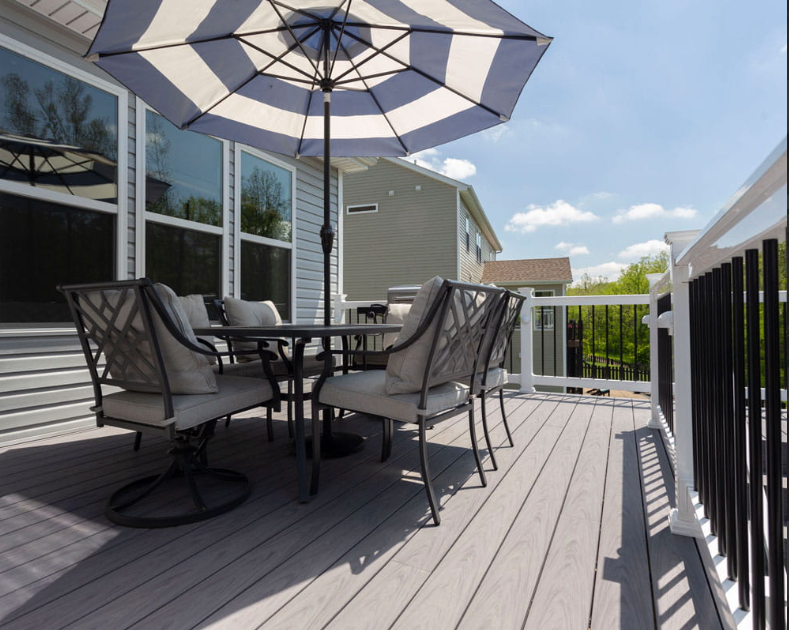
What Hidden Structural Issues Can Lead to Deck Failure?
A deck can look fine on the surface and still have major trouble underneath. That is what makes structural problems so dangerous. Loose connections, trapped moisture, weak framing, and aging materials may not stand out right away, but they can slowly reduce safety and shorten the life of the structure.
Homeowners who understand the warning signs early are in a better position to protect their investment. Knowing the hidden causes of deck structural failure can help people make smarter decisions about maintenance, repairs, and new construction.
Small Connection Problems Can Become Serious
A strong deck depends on solid connections. If one part of the structure is not attached the right way, that weakness can affect the entire system over time. What seems minor at first can grow into a much larger problem.
Loose fasteners can allow movement in the frame.
Weak ledger connections can reduce overall stability.
Rusted hardware may no longer support the load properly.
These issues are easy to miss because they are often tucked below the surface or hidden behind finish materials. Still, they matter because a deck needs to work as one stable unit, not as separate pieces under stress.
Moisture Damage Often Starts Out of Sight
Water is one of the most common reasons a deck begins to fail. Rain, snow, and damp conditions can wear down key parts of the structure little by little. In many cases, the damage is already advanced before it becomes obvious.
Moisture can lead to wood rot in framing members.
Wet conditions can weaken posts and support points.
Trapped water may speed up hardware corrosion.
This is one reason deck builders Fruitland ID should never be chosen based on appearance alone. A deck may look attractive from above, but the real test is whether it has been built to handle moisture over time.
Weak Framing Reduces Long-Term Safety
Not every deck is framed with the same level of care. If joists are undersized, spans are too long, or support placement is poor, the structure may start to feel soft or unstable as the years pass.
Bouncy movement can point to framing weakness.
Uneven settling may suggest support problems below.
Poor spacing can affect strength across the deck surface.
A deck should feel firm and dependable during normal use. When the frame is not designed correctly, the structure can lose strength much sooner than expected.
Age and Neglect Make Problems Worse
Even a well-built deck needs attention over time. Exposure to weather, heavy use, and skipped maintenance can all increase the risk of failure. Small issues usually do not stay small forever.
Cracked boards may allow water to reach deeper areas.
Unchecked wear can spread from one section to another.
Older decks may no longer meet current safety needs.
As deck builders, we know that regular inspections and sound construction both matter. A deck lasts longer when problems are addressed early instead of being ignored until major repairs are needed.
Conclusion
Hidden structural issues can turn a deck into a serious safety concern. Weak connections, moisture damage, poor framing, and neglect can all lead to failure over time. The good news is that many of these problems can be prevented with better planning and skilled deck builders. If your deck shows signs of wear, call Sunset Decks Idaho at (208) 739-6778 today for a safer, stronger outdoor space.
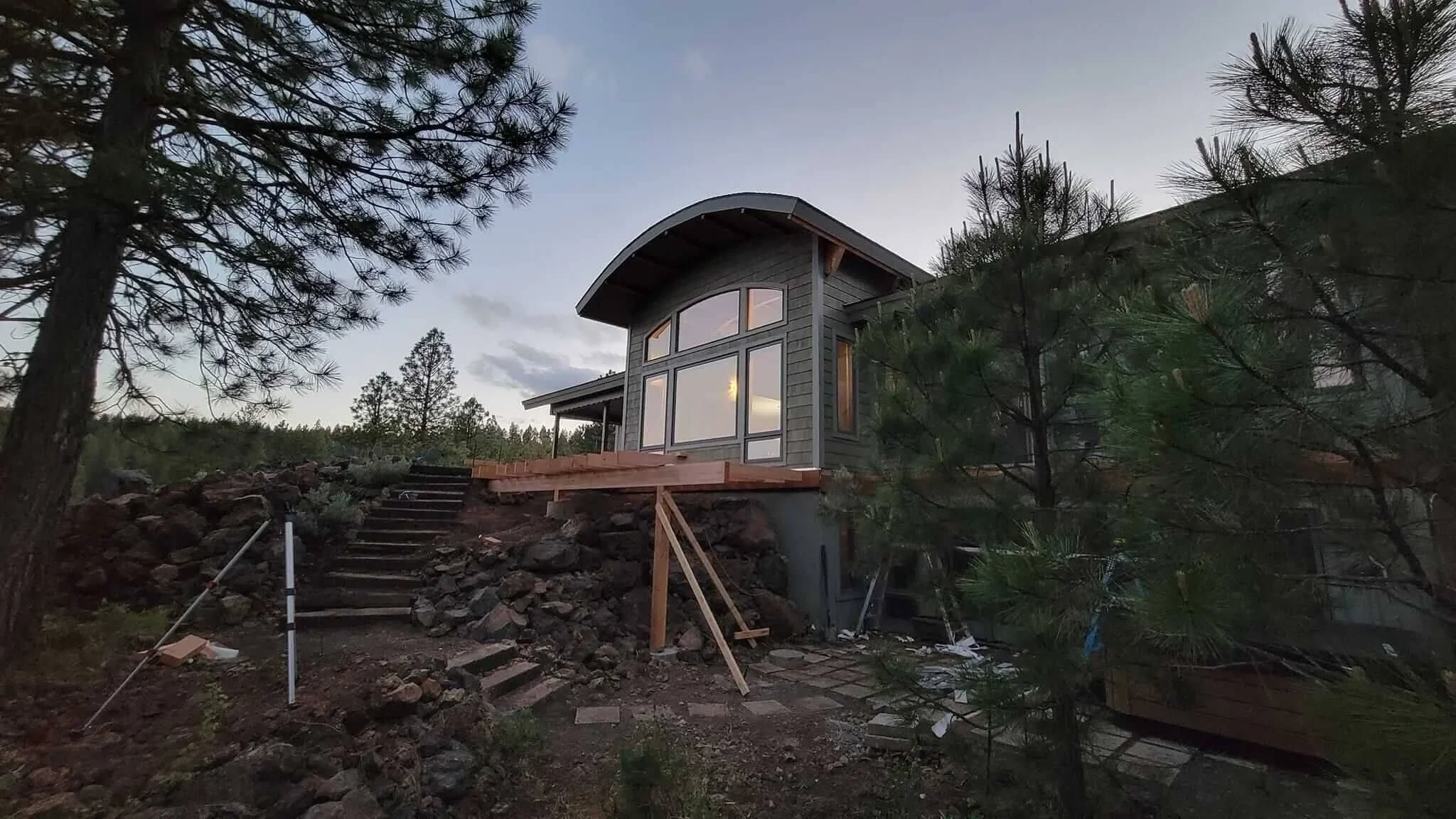
What 10+ Years Can Reveal About Composite and Wood Decking
At first glance, wood and composite decking can both seem like strong choices for a new outdoor space. The real difference often appears over time as weather, maintenance, and everyday use begin to affect the surface and structure.
Some homeowners prefer the natural look of wood as it ages, while others want a product that stays more consistent with less upkeep. Choosing the best decking material for long-term outdoor performance means looking closely at how each option holds up over the years, not just how it looks right after installation.
Wood and Composite Age in Different Ways
Wood and composite can both create a beautiful outdoor space, but they do not change the same way over time. The look and feel of each material can shift as the years go by.
Wood often develops a more natural weathered look.
Composite usually keeps a more consistent appearance.
Each material responds differently to sun and moisture exposure.
These changes matter because homeowners are not just choosing a color or texture. They are choosing how the deck may look and perform after many seasons of use.
Maintenance Becomes a Bigger Factor Over Time
A material may seem like the right choice at first, but the long-term upkeep can change how homeowners feel about it later. Maintenance should always be part of the comparison.
Wood often needs staining or sealing over the years.
Composite usually needs less upkeep to stay presentable.
Cleaning needs can vary depending on the product and environment.
For some homeowners, regular maintenance is worth it for the natural appearance of wood. Others prefer a surface that demands less ongoing attention and fits a busier lifestyle.
Weather Exposure Can Affect Performance
Outdoor materials have to deal with more than just daily use. They also face changing temperatures, moisture, and direct sunlight. That is where performance over ten or more years becomes easier to judge.
Repeated moisture can affect certain materials more than others.
Strong sun may lead to fading or surface wear.
Seasonal changes can test the stability of the decking.
When comparing long-term performance, many property owners looking at deck builders Fruitland ID are less focused on day-one appearance and more interested in how the material handles weather, wear, and maintenance over time.
Cost Should Be Measured Beyond the Purchase Price
The upfront price matters, but it should not be the only number guiding the decision. Long-term value often comes from a mix of durability, maintenance, and expected lifespan.
A lower starting cost may come with more upkeep later.
A higher starting cost may reduce future maintenance needs.
The best value depends on how the deck will be used and maintained.
As deck builders, we know that homeowners are usually happiest when they choose a material that fits both their budget and their expectations. A deck should not only look good after installation. It should still feel like the right choice years down the road.
Conclusion
When comparing composite and wood decking, the long-term view matters. Aging, maintenance, weather response, and overall value can all look very different after ten years or more. A smart decision comes from looking at the full picture instead of only the first-year appearance. If you are planning a new outdoor space, contact Sunset Decks Idaho at (208) 739-6778 today and let our deck builders help you choose a deck material that fits your home for the long run.
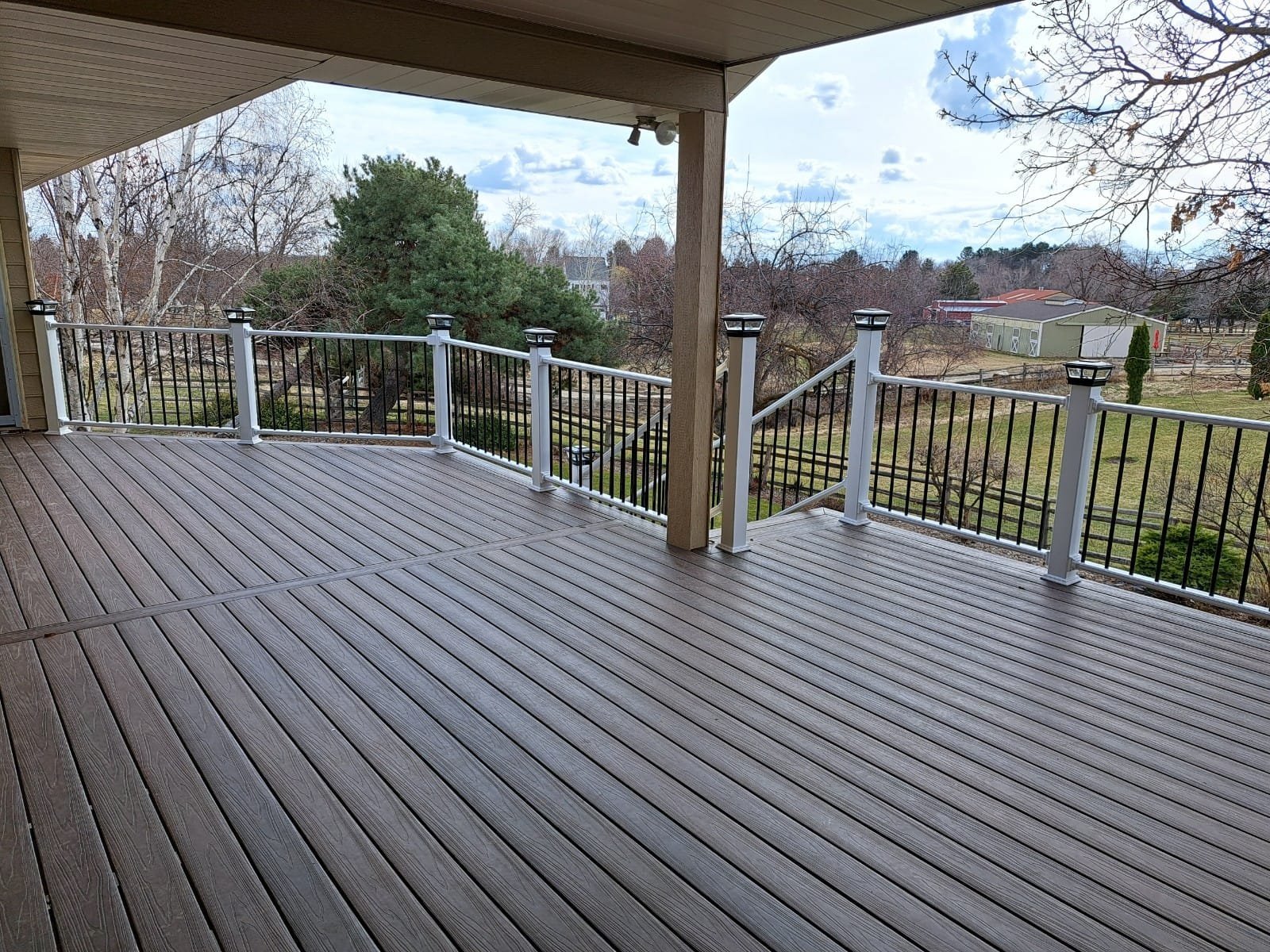
How Smart Deck Layout Planning Improves Movement Between House and Yard
A deck should feel like a natural part of the home, not something added without a plan. When the layout is done well, it becomes easier to move from the house to the yard and enjoy the whole outdoor space. Good design also helps the deck feel more comfortable for daily use, whether homeowners are relaxing outside or hosting guests. In many cases, deck layout planning for better backyard flow can make a big difference in how useful and inviting the space feels.
The Deck Should Connect Naturally to the Home
The best deck layouts begin with the house itself. Door placement, step-down points, and nearby rooms all affect where the deck should go and how it should be shaped.
A deck near the kitchen can make outdoor dining easier.
A layout near the main back door can improve daily use.
A poor connection point can make the space feel awkward.
When the deck lines up well with the home, it feels more open and more convenient. This is one reason thoughtful planning matters before construction begins.
A Better Layout Improves Movement to the Yard
A deck should not block access to the yard. It should help people move through the space more easily. This is especially important for families who use the backyard often for kids, pets, gardening, or entertaining.
Stairs should be placed where people naturally want to walk.
Traffic paths should feel simple and direct.
The layout should support easy movement between spaces.
For homeowners looking for deck builders Meridian Idaho, better flow between the house and yard is often one of the main goals. A smart layout can make the whole backyard feel easier to use every day.
Planning Helps Create More Usable Outdoor Zones
Layout planning also helps divide the deck into practical areas. Even on one deck surface, the design can guide how each part of the space is used. This makes the outdoor area feel more organized instead of crowded.
One area can be used for dining.
Another can be used for seating or relaxing.
Open space can be left for walking and access.
As deck builders, we know that a deck works best when it supports real daily life. The right layout makes it easier to enjoy the space without everything feeling packed into one spot.
Good Design Can Prevent Future Frustration
Many deck problems are not about materials or structure. They come from poor planning. A deck may be strong and attractive, but if the stairs are in the wrong place or the shape limits furniture placement, the space may never feel quite right.
A cramped layout can reduce comfort.
Poor stair placement can interrupt traffic flow.
Bad planning can make future changes harder.
A well-planned deck saves homeowners from these issues. It creates a space that feels comfortable from the start and continues to work well over time.
Conclusion
Smart layout planning can make a big difference in how a deck feels and functions. It improves the connection to the house, creates better flow to the yard, supports more usable outdoor zones, and helps prevent design mistakes that lead to frustration later. If you want an outdoor space that feels natural, practical, and inviting, call Sunset Decks Idaho at (208) 739-6778 today and let our deck builders help you create a deck layout that works beautifully with your home.
Designing Multi-Level Decks for Better Outdoor Living
A multi-level deck can make a backyard feel more useful, more attractive, and easier to enjoy. Instead of having one large flat space, homeowners can create separate areas for dining, relaxing, and spending time with family.
This kind of layout is especially helpful when a yard has slope or when the goal is to create a more custom outdoor living space. In many cases, multi-level deck design for sloped yards gives homeowners a smart way to improve both function and comfort while making the outdoor area feel more organized and welcoming.
Separate Levels Help Create Better Activity Zones
One of the biggest benefits of a multi-level deck is that it gives each area a clear purpose. Instead of placing everything in one crowded space, the design can guide how the deck is used every day.
One level can be used for outdoor dining.
Another level can be used for lounge seating or quiet relaxation.
Separate spaces can help large gatherings feel less crowded.
This kind of layout makes the backyard feel more organized and more comfortable. It also helps the deck feel larger because each section has its own job instead of competing for the same space.
Multi-Level Decks Work Better on Sloped Yards
Not every yard is flat, and that is where a multi-level design can be very helpful. Rather than forcing one tall platform into an uneven area, the deck can follow the shape of the land more naturally.
Different levels can step down with the slope of the yard.
The deck can feel more connected to the landscape.
Homeowners may avoid the awkward look of one high platform with long stairs.
For many families searching for deck builders Meridian Idaho, this approach makes the property easier to use and more attractive at the same time. A sloped yard does not have to be a problem when the design is planned the right way.
Better Layout Improves Movement and Comfort
A deck should feel easy to move through. Homeowners and guests should be able to walk from the house to the yard without feeling blocked or crowded. A multi-level layout helps improve that flow.
Dining areas can stay closer to the kitchen or back door.
Lounge spaces can be placed farther away for a quieter setting.
Stair placement can guide people where they naturally want to go.
As experienced deck builders, we always think about how a deck will be used in real life. When the layout supports daily movement, the space feels more open, more natural, and much easier to enjoy.
Layered Design Adds Beauty to the Backyard
A multi-level deck does not just improve function. It also adds visual interest to the home and yard. Changes in height can make the outdoor space feel more custom and more polished.
Different levels create depth and shape in the backyard.
Stairs and railings can add style as well as function.
Lighting can highlight each level and improve evening use.
This type of design often works very well with patios, gardens, and other outdoor features. A layered deck can make the whole property feel more complete and more inviting.
Conclusion
A multi-level deck can turn a simple backyard into a better outdoor living space. It helps create clear activity zones, works well with sloped yards, improves movement, and adds beauty to the property.
When designed the right way, it gives homeowners a space that is both practical and enjoyable for years to come. For a custom outdoor space built with care, call Sunset Decks Idaho at (208) 739-6778 today and let our deck builders help bring your vision to life.
Why Deck Framing and Structural Design Matter More Than You Think
When most homeowners think about building a deck, they focus on the surface—boards, color, and style. But what really determines how long your deck lasts is what’s underneath. The framing and structural design are the foundation of a safe and durable outdoor space.
That’s why working with experienced deck builders is essential. They’ll help you understand the structural design and avoid costly problems later to ensure your deck performs well in all seasons.
The Importance of Strong Footings and Support
Every deck starts with its foundation. Footings are what hold the entire structure in place, and if they’re not installed correctly, the deck can shift over time or become unstable. Important factors include:
Depth below frost line to prevent movement during winter freeze and thaw cycles
Proper spacing of footings to support weight evenly across the structure
Stable soil conditions to avoid sinking or long-term settling issues
Professional deck builders Boise Idaho know how to properly assess soil conditions and install footings that provide long-term stability. A properly built foundation ensures your deck stays level and secure for years.
Joists and Beams Carry the Load
Joists and beams are responsible for supporting the weight of the deck, furniture, and people using it. Poor spacing or undersized materials can lead to sagging, bouncing, or even structural failure over time. Key considerations:
Correct joist spacing for strength and long-term durability
Proper beam sizing based on deck size and expected load
Secure connections using high-quality hardware and fasteners
A well-built frame doesn’t just improve safety—it also improves how the deck feels. A solid, firm surface makes the space more comfortable and enjoyable to use every day.
Load Ratings and Safety Standards
Every deck must be built to handle a certain amount of weight. This is known as the load rating, and it ensures the deck can safely support gatherings, furniture, and even heavy snow. Things that affect load capacity:
Deck size and height
Type and quality of materials used
Local building codes and safety requirements
Understanding how to build a structurally sound deck in Idaho means following proper engineering principles and meeting all required codes. This not only protects your investment but also keeps your family and guests safe.
Connection Points Are Often the Weakest Link
One of the most common causes of deck failure is weak or poorly installed connection points. These include areas where the deck attaches to the house or where major structural components meet. Critical areas to focus on:
Ledger board attachment to the home for proper support
Use of strong fasteners and metal brackets for durability
Protection against moisture to prevent rot and corrosion
When these connections are done correctly, they strengthen the entire structure and prevent long-term issues that can compromise safety.
Build on a Strong Foundation
A beautiful deck means nothing without a strong structure behind it. When framing and design are done right, your deck will feel solid, safe, and built to last through every season.
Don’t take risks with your investment—call Sunset Decks Idaho at (208) 739-6778 and let our deck builders take on your deck the right way from the ground up.
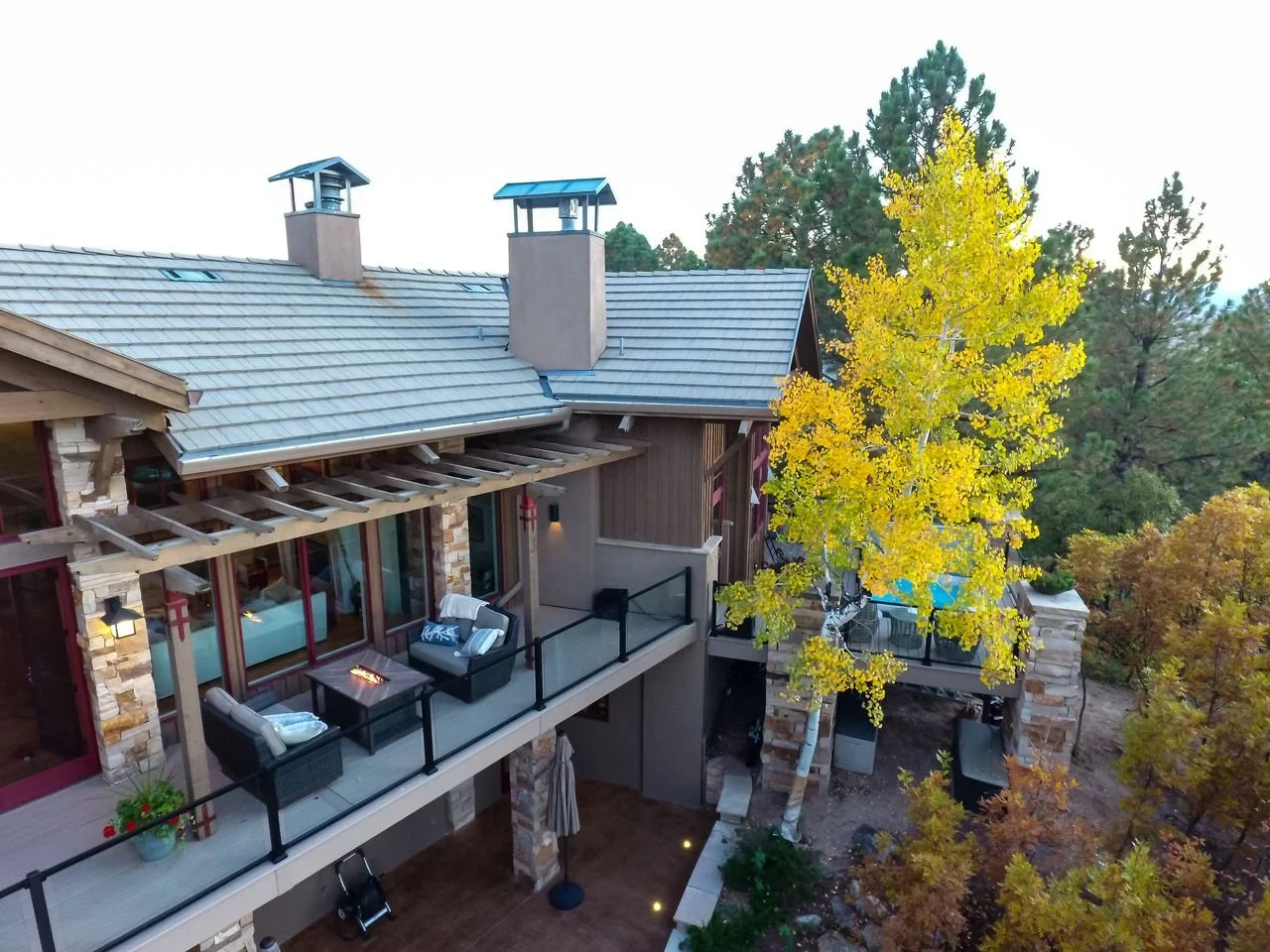
How Idaho’s Climate Affects Deck Structure, Materials, and Lifespan
Building a deck in Idaho isn’t just about looks—it’s about durability. The local climate brings snow, heat, and moisture, all of which can affect how long your deck lasts. That’s why working with experienced deck builders matters from the start.
When planning your project, especially with deck builders Boise Idaho, it’s important to understand how weather impacts every part of your deck—from the frame to the finish.
Snow and Moisture Put Stress on Your Deck
Idaho winters can be harsh, and snow buildup adds extra weight to your deck. If the structure isn’t built correctly, this can lead to sagging, warping, or long-term structural issues. Key concerns include:
Heavy snow loads that stress joists and support beams
Moisture buildup that can lead to wood rot and mold
Freeze-thaw cycles that cause expansion and cracking in materials
Over time, even small amounts of trapped moisture can weaken the structure. This is why proper drainage, sealing, and framing techniques are essential when building in colder climates.
Sun Exposure Breaks Down Materials Over Time
Hot summers in Idaho bring strong UV exposure. Constant sunlight can slowly break down deck materials, especially if they are not designed to handle it. Here’s what happens without proper planning:
Wood can dry out, crack, or splinter
Lower-quality materials may fade unevenly
Fasteners can loosen due to repeated expansion and contraction
Homeowners often ask about the best decking material for Idaho weather conditions, and the answer depends on choosing materials that resist both UV damage and temperature swings.
Material Choice Directly Impacts Lifespan
Not all decking materials perform the same in Idaho’s changing climate. Choosing the right material plays a major role in how long your deck will last and how much maintenance it will require. Common options include:
Pressure-treated wood: Cost-effective but needs regular sealing and maintenance
Composite decking: Low-maintenance and resistant to moisture, fading, and insects
Hardwoods: Strong and long-lasting, but require more upkeep and higher investment
Experienced deck builders can guide you through these options and help you choose materials that match your lifestyle, budget, and long-term expectations.
Proper Installation Prevents Long-Term Damage
Even high-quality materials can fail if the deck isn’t installed properly. Idaho’s climate makes professional installation even more important for long-term durability. Critical installation factors include:
Correct spacing between boards to allow for drainage and airflow
Footings placed below the frost line to prevent shifting during winter
Ventilation and airflow to reduce moisture buildup under the deck
Attention to these details helps prevent common issues like warping, rot, and structural movement, ensuring your deck remains safe and stable over time.
Build a Deck That Lasts in Any Season
Idaho’s climate can be tough, but with the right planning, your deck can handle it all. From snow loads to summer heat, every detail matters when building a structure that lasts.
At Sunset Decks Idaho, we understand how local conditions affect every build. We design and construct decks that are made to perform year after year—without shortcuts.
Ready to build a deck that stands up to Idaho weather? Call Sunset Decks Idaho today at (208)-739-6778 and let’s get started on a deck built to last.
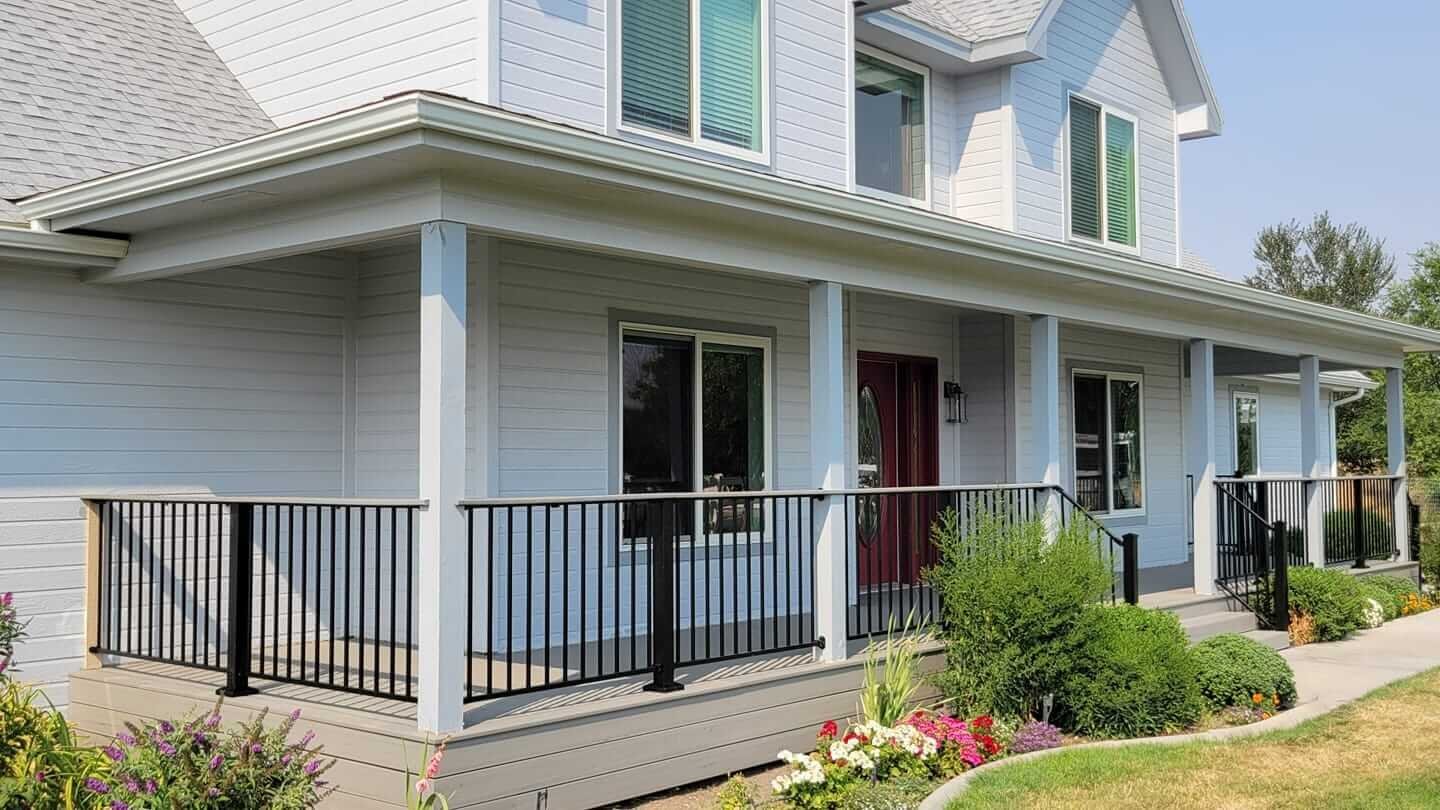
Early Warning Signs of Structural Deck Damage Homeowners Should Know
Deck damage often begins gradually. What looks like minor wear on the surface can sometimes signal deeper structural concerns underneath. Catching issues early helps prevent costly repairs and improves overall safety. Regular inspections and awareness of warning signs allow homeowners to take action before small problems grow into serious structural failures.
Identifying Surface Movement and Instability
One of the first warning signs of trouble is movement. A deck should feel firm and stable underfoot. Excessive bouncing, shifting, or noticeable sway often points to weakened framing, loose fasteners, or undersized support components. Even minor movement can worsen over time if not addressed.
Common instability signs include:
Boards that flex excessively
Railings that wobble
Stairs that feel loose
Movement usually indicates stress beneath the surface, not just cosmetic wear. These symptoms can point to underlying issues that require professional evaluation before they develop into larger structural problems.
Watching for Wood Rot and Moisture Damage
Moisture is one of the most common causes of structural deck problems. Rain, irrigation, and seasonal humidity can slowly penetrate wood fibers, reducing their strength. Rot often spreads gradually and may not be obvious at first glance.
Visible signs of moisture-related damage include:
Soft or spongy boards
Darkened or discolored framing
Cracks near support posts
Moisture damage often begins in areas with limited airflow or poor drainage. Homeowners researching signs of structural damage in a deck often discover that rot typically starts in hidden areas, such as near footings, ledger boards, or beneath stair connections.
Inspecting Ledger Board and Connection Points
The ledger board anchors the deck to the home and supports significant structural weight. If this connection weakens, the entire deck can shift or pull away from the house. Because it carries so much load, this area deserves careful inspection.
Important inspection points include:
Gaps between the deck and house
Rusted or missing fasteners
Signs of water intrusion behind flashing
Loose or corroded fasteners reduce holding strength over time. Connection points must remain tight and secure to prevent separation. A qualified deck builder understands how to evaluate these critical areas safely and accurately.
Noticing Changes in Level or Alignment
Over time, soil movement, erosion, or foundation settling can cause parts of a deck to become uneven. Even slight shifts in level may signal structural stress or footing movement beneath the surface.
Signs of shifting may include:
Uneven deck surfaces
Doors sticking when opening onto the deck
Visible gaps between boards
Uneven settling can increase strain on framing components and connection points. Working with deck builders Caldwell ID helps ensure that structural concerns are properly diagnosed. An experienced deck builder can determine whether reinforcement, leveling, or more extensive repairs are necessary.
Final Thoughts and How We Can Help
Early detection of structural damage protects both your home and the people using the deck. Addressing issues quickly prevents larger repairs and maintains long-term safety. At Sunset Decks Idaho, we provide thorough inspections and reliable solutions for aging or damaged decks.
If you suspect structural issues, call Sunset Decks Idaho at (208) 739-6778 today and let us help keep your outdoor space safe and secure

How to Maintain Wood and Composite Decking for Long-Term Performance
Regular maintenance is one of the most important factors in extending the life of any deck. Whether built from natural wood or composite materials, outdoor exposure slowly affects performance and appearance. Sun, moisture, and seasonal temperature changes all contribute to wear over time.
Understanding proper care routines helps homeowners protect their investment and avoid premature repairs.
Maintaining Wood Decks for Durability
Wood decks require consistent upkeep to remain strong and attractive. Natural lumber expands and contracts with moisture, and repeated exposure to sun and rain can weaken fibers over time. Without regular care, small surface issues can gradually turn into structural concerns.
Important wood maintenance steps include:
Cleaning debris and dirt regularly
Applying sealant or stain every few years
Inspecting for signs of rot or loose boards
Routine sealing protects against moisture penetration and UV damage while preserving color and strength. Clearing debris between boards also prevents trapped moisture that can accelerate decay. Homeowners researching how to maintain wood and composite decking often discover that prevention is far more cost-effective than full board replacement.
Caring for Composite Decking Properly
Composite decking requires less maintenance than wood, but it is not completely maintenance-free. Dirt buildup, trapped moisture, and surface staining can still affect appearance and traction. Regular cleaning helps maintain both safety and visual appeal.
Key composite care practices include:
Gentle washing with mild cleaners
Clearing debris from board gaps
Inspecting fasteners and connections
Avoiding harsh chemicals helps protect the surface finish. Keeping gaps clear allows proper drainage and airflow, which prevents long-term moisture retention. A knowledgeable deck builder can also recommend manufacturer-specific care guidelines to maintain warranty coverage and performance.
Inspecting Structural Components Annually
Surface boards are only one part of a deck’s health. Framing, railings, and connection points should be inspected at least once per year, especially after harsh weather seasons. Structural components often show early warning signs before visible damage appears.
Important inspection areas include:
Checking for loose railings
Examining ledger board attachments
Looking for signs of water damage
Tightening hardware and correcting minor movement early prevents strain on the entire structure. Small issues caught early prevent larger structural concerns later.
Addressing Wear Before It Becomes Damage
Minor problems often start as small cracks, loose screws, or fading finishes. While these issues may seem cosmetic at first, they can weaken structural integrity if ignored. Timely repairs help preserve both safety and appearance.
Preventive actions may include:
Tightening fasteners
Replacing damaged boards
Reapplying protective finishes
Seasonal maintenance reduces the risk of larger repairs down the road. Working with deck builders Caldwell ID ensures that maintenance recommendations match local weather conditions. An experienced deck builder understands how seasonal temperature shifts and moisture cycles affect long-term performance.
Final Thoughts and How We Can Help
Consistent maintenance keeps decks safe, attractive, and durable. Whether wood or composite, routine care protects the structure and extends its lifespan.
At Sunset Decks Idaho, we help homeowners maintain their decks with practical guidance and professional support.
Ready to protect your investment? Get in touch with Sunset Decks Idaho at (208) 739-6778 and let us help you keep your deck in top condition.