
Building Your Dream Deck: Expert Tips and Essential Advice
Building a deck can elevate your home, giving you an ideal space to relax and entertain. But there are several factors to consider to ensure your deck is built right. Here are our top tips for a successful deck-building project in Boise.
1. Know the Best Time to Build Your Deck
Timing plays a crucial role in deck construction. Boise’s weather can vary, so knowing the right time to start is important. Here's what you need to know:
Spring and Summer: These seasons offer the best weather conditions for construction. Temperatures are comfortable, and the ground is firm, making it easier for builders to work.
Fall: Early fall can also work well, with warm weather and less busy construction schedules.
Winter: Avoid winter unless necessary, as cold temperatures or snow can cause delays.
For quicker service, the warmer months are ideal.
2. Choosing a Deck Design That Suits Your Space
Designing your deck is an exciting step, but it’s important to choose a design that fits your space and lifestyle. Here’s what to consider:
Functionality: Will your deck be for entertaining, relaxing, or both? Tailor your design to suit these needs.
Size: Ensure the deck is proportionate to your home and yard. A deck that's too large or too small may not work as you expect.
Shape: Rectangular decks are popular, but consider curved or multi-level designs for a unique touch.
A thoughtful design ensures your deck complements your home and yard perfectly.
3. Budgeting and Cost Estimates: Plan Ahead
Before you begin, budgeting is essential. Decks vary in price depending on materials, size, and complexity. Here’s how to plan:
Get Multiple Estimates: Compare quotes from several builders to ensure you're getting the best deal.
Factor in Permits: Some decks require permits, which add to the cost. A professional builder will guide you through this process.
Maintenance Costs: Materials like wood may need more upkeep than composite or PVC. Factor in long-term costs when making your decision.
Proper budgeting ensures your project stays within your financial limits.
4. Working with the Right Deck Builder
The key to a successful deck project is choosing the right builder. Here’s what you should look for:
Experience and Reputation: A good deck builder will have a solid portfolio and references to back up their work.
Licenses and Insurance: Ensure the deck builder is licensed and insured for your protection.
Clear Communication: A builder who listens, answers your questions, and keeps you updated throughout the process is crucial.
A trustworthy deck builder Boise ID will make the entire project easier and more enjoyable.
Conclusion
Building a deck enhances your home’s value and your lifestyle. With good planning, budgeting, and the right builder, you’ll create a deck that fits your needs and space. At Sunset Decks Idaho, we specialize in delivering high-quality decks that stand the test of time.
Ready to start your deck project? Call Sunset Decks Idaho at (208) 739-6778 for a free consultation and estimate today!

The Secret to Finding the Perfect Deck Builder for Your Project
Building a deck is an exciting project, but choosing the right builder for the job is crucial. The deck is a long-term investment in your home, so getting it right is important. Here’s how you can choose the best deck builder in Boise for your needs.
1. Why Experience Matters
When it comes to building your deck, experience truly counts. An experienced builder not only knows how to handle the job but can also foresee and prevent any issues during construction.
Local Expertise: A seasoned deck builder will have knowledge of Boise’s climate and local building codes. They'll know what materials work best and how to adapt to specific weather conditions.
Problem-Solving Skills: Experienced builders bring confidence and skills to handle any unexpected challenges during the construction process. Whether it’s weather delays or design adjustments, they can adapt without issues.
If you want your deck to be durable and well-constructed, an experienced builder is a must.
2. Material Options for Your Deck
Choosing the right materials for your deck isn’t just about looks; it’s also about longevity and maintenance. Here are the top material options you’ll typically find:
Wood Decking: Classic and natural, but requires regular upkeep to maintain its beauty.
Composite Decking: Low-maintenance, durable, and available in various styles and colors.
PVC Decking: Best for long-term use, extremely low-maintenance, and resistant to mold and mildew.
Each material has its own advantages, and a good builder will help you select the one that fits your lifestyle and budget.
3. Setting a Realistic Budget
Creating a budget is one of the first and most important steps in any deck project. Here’s how to approach it:
First, define your budget: Sit down and figure out how much you’re willing to spend. Keep in mind that your deck’s size and material will directly impact the cost.
Once that’s settled, ask your builder for a detailed estimate that includes:
Material costs
Labor fees
Any additional costs (permits, landscaping, etc.)
Lastly, always leave a buffer in your budget for unexpected expenses. It’s better to overestimate a bit than to fall short during construction.
Having a solid budget in place will ensure your project stays on track financially.
4. Good Communication is Key
Building a deck is a big investment, and having good communication with your deck builder Boise ID can make or break the project. Here’s why it matters:
Understanding the Process: A builder who takes time to explain the process, from design to completion, will keep you informed at every step.
Clear Expectations: When you’re on the same page about timelines, costs, and design choices, the process runs smoothly. Good communication ensures there are no surprises.
Responsiveness: A builder who answers questions quickly and keeps you updated will give you confidence throughout the project.
You want a builder who is easy to work with and who keeps the lines of communication open throughout the entire process.
Conclusion
Building a deck doesn’t need to be complicated. By focusing on experience, materials, budgeting, and clear communication, you’ll find the right builder who can bring your vision to life. At Sunset Decks Idaho, we take pride in our expert craftsmanship and dedication to customer satisfaction.
Ready to start building your dream deck? Call Sunset Decks Idaho at (208) 739-6778 today for a free consultation and estimate!
The Ultimate Checklist for Hiring the Best Deck Builders
When you decide to build a deck, it’s more than just an addition to your home—it’s an outdoor space that enhances your lifestyle. Choosing the right deck builder is essential to ensure quality, safety, and durability. Here are key things to consider when hiring a deck builder in Boise.
1. Experience Matters
Experience is crucial when building a deck. A seasoned builder not only brings expertise but also anticipates potential challenges and solutions. Here’s why experience counts:
Years of local experience: A Boise-based builder knows the local climate, building codes, and materials that work best for this area.
Proven track record: A reputable builder will have a solid portfolio of completed projects, showcasing their ability to handle different types of decks and design styles.
Problem-solving abilities: Experienced builders are skilled at troubleshooting and resolving unexpected issues quickly, ensuring the project stays on track.
Working with an experienced deck builder Boise ID helps ensure your deck is built right the first time and stands the test of time.
2. Material Options for Your Deck
The material you choose for your deck affects its durability, aesthetics, and long-term maintenance. Understanding your options can help you make an informed decision. Here are some popular choices:
Wood Decking: A timeless option, wood decking adds warmth and beauty but requires regular maintenance to protect it from the elements.
Composite Decking: Composite decks combine plastic and wood fibers, offering excellent durability, minimal upkeep, and strong resistance to fading, weather damage, and stains.
PVC Decking: PVC decks are completely synthetic, offering superior weather resistance, low upkeep, and a long lifespan.
Be sure to discuss material choices with your deck builder. A good builder will help you find the right material based on your budget, style, and long-term needs.
3. Budget Planning
Building a deck is a significant investment, so planning your budget carefully is essential to avoid surprises. Here’s how to keep things financially on track:
Set a realistic budget: Be clear about what you want, then have an open conversation with your builder about what’s achievable within your budget.
Detailed written estimate: A trustworthy builder will provide a clear breakdown of the costs, including labor, materials, permits, and any other potential expenses.
Long-term value: While sticking to your budget is important, don’t sacrifice quality. A well-built deck adds value to your home and can improve your quality of life for years to come.
By clearly defining your budget from the start and working closely with your builder, you can ensure your deck project stays on track and within your financial limits.
4. Customer Service is Key
Good customer service should be a priority when choosing your deck builder. A smooth, enjoyable building process is just as important as the quality of the finished product. Here’s what excellent customer service looks like:
Clear and consistent communication: A professional builder will keep you informed throughout the entire project, addressing your concerns and questions promptly.
Respect for timelines: A good builder will respect agreed timelines, showing up on time and completing the project as scheduled.
Flexibility: If adjustments need to be made, a flexible builder will work with you to make sure you’re happy with the final result.
Conclusion
Building a deck is an exciting project, and choosing the right builder is essential for success. With the right experience, materials, budget, and customer service, your new deck will be everything you dreamed of. At Sunset Decks Idaho, we’re dedicated to providing top-notch service and high-quality craftsmanship.
Ready to build your dream deck? Call Sunset Decks Idaho at (208) 739-6778 today for a free consultation and estimate!
Why Choosing the Right Deck Builder Is So Important: Everything You Need to Know
Building a deck is a great way to enhance your home’s outdoor space, but it’s important to choose the right deck builder to get the best results. A quality deck not only adds beauty to your home but also provides a safe, durable space for family and friends. But with so many options out there, how do you know which deck builder to trust? Let’s break down why selecting the right professional matters.
1. Quality Work That Lasts
When it comes to building your deck, quality is key. A well-built deck ensures safety, durability, and long-lasting enjoyment. Here’s why quality craftsmanship is so important:
Safety first: A poorly built deck could lead to accidents or even collapse over time.
Lasts longer: High-quality materials and expert craftsmanship prevent wear and tear from weather and use.
Low maintenance: With quality materials, your deck will require less upkeep over the years.
Choosing a skilled deck builder in Boise means your deck will stand the test of time, leaving you with a space to enjoy for many years.
2. Expertise with Local Building Codes
Every city has its own building regulations, and Boise is no exception. When you hire a professional deck builder, they should be well-versed in local codes and permits. Here’s why it matters:
Building permits: The right builder will ensure all necessary permits are pulled.
Code compliance: They’ll ensure your deck meets all safety and structural codes.
Avoid fines: Working with a professional keeps you from getting hit with fines for non-compliance.
Hiring a deck builder Boise ID means they know the ins and outs of the city’s regulations, making the process smoother and worry-free for you.
3. Personalized Design and Material Selection
Your deck should reflect your style and needs, and the right builder will help you achieve that. Here’s how:
Custom designs: Whether you want a cozy space or a grand entertainment area, they’ll design the deck that fits your vision.
Material advice: The best builders will help you choose the right materials—whether it’s durable composite, beautiful wood, or something else.
Budget-friendly options: They’ll work within your budget while still delivering the look and functionality you desire.
A great deck builder in Boise will guide you through the design and material selection process, ensuring that the final product is exactly what you want.
4. Trustworthy, Timely Service
Building a deck is a big project, so it’s crucial to hire a builder who is reliable and timely. Here’s what to expect from a trustworthy builder:
On-time completion: A reliable builder sticks to a schedule and finishes on time.
Clear communication: They’ll keep you in the loop at every stage, so you know exactly what’s happening.
Great customer service: They’re easy to reach and happy to answer all your questions.
When you choose a reputable deck builder in Boise, you can expect nothing less than professional, friendly service from start to finish.
Conclusion
Choosing the right deck builder is a crucial step in creating the perfect outdoor space for your home. With the right team, you’ll enjoy a beautiful, durable deck that’s built to last and meets all your needs. At Sunset Decks Idaho, we’re committed to quality craftsmanship, timely service, and designs that suit your unique style.
Let us help you create the deck of your dreams! Call Sunset Decks Idaho at (208) 739-6778 today for a free consultation and estimate.
Planning Your Deck: What Every Homeowner Should Ask Before Hiring a Contractor
Building a deck is one of the best ways to expand your outdoor living space. But before construction begins, choosing the right builder is just as important as picking the right materials.
Whether your project is big or small, asking smart questions up front can save you from delays, cost overruns, or a poorly built deck. Here’s what every homeowner should ask before hiring a contractor.
Do They Have Proper Licensing and Insurance?
Always verify that your contractor is licensed and insured. A licensed deck builder knows local codes and understands how to build a safe, long-lasting structure.
Ask to see their contractor’s license and any certifications
Check if they carry liability and worker’s comp insurance
Confirm they’ve pulled permits in Nampa before
These protections give you confidence that your project will meet safety standards and that you're protected in case of an accident.
What Is Included in the Estimate?
A vague quote can lead to big surprises later. Always request a detailed written estimate that breaks down materials, labor, and extras.
Important items to look for in your quote:
Type and brand of decking materials
Framing materials and fasteners
Costs for stairs, railings, lighting, or special features
Site prep and disposal of old materials
Who handles permits and inspections
Also, ask how change orders are handled if you want to modify the design after work begins.
What Is the Timeline and Process?
Knowing how long your deck will take from start to finish is essential. A clear timeline shows that the contractor has a plan—and values your time.
Ask the following:
How soon can you begin the project?
What’s the estimated completion time?
Will you be working on other jobs at the same time?
What delays should I expect, and how will they be handled?
Most standard decks take about one to two weeks to build, depending on the size, design, and materials chosen.
Do They Use Quality Materials and Methods?
The look, strength, and longevity of your deck depend on what’s underneath as much as what’s on top.
Discuss material options like:
Composite vs. pressure-treated wood
Fastener systems (hidden vs. exposed)
Flashing and waterproofing details
Support post depth and spacing for Nampa’s climate
Experienced deck builders Nampa ID homeowners trust will recommend the best materials for your needs and budget, while also ensuring everything is installed to code.
Look for Real Experience, Not Just a Price Tag
It might be tempting to go with the cheapest quote—but experience, reliability, and past work matter more. Ask to see photos of completed decks and read online reviews. A good builder will gladly provide references and showcase past work. It's your home—make sure you're choosing someone who takes pride in what they do.
Conclusion
Building the right deck starts with hiring the right team. Asking clear questions about licensing, materials, timelines, and experience helps you feel confident in your choice. And with trusted deck builders like Sunset Decks Idaho, you get a partner who’s focused on quality from the first meeting to the final screw.
Let’s make your deck project a success—call Sunset Decks Idaho at (208) 739-6778 today!

Weatherproof Your Backyard: Choosing Durable Deck Materials That Last
Choosing the right material for your deck isn’t just about looks—it’s about making a smart investment. In Nampa, where winters can be harsh and summers get hot, your deck needs to stand up to the elements year after year.
From daily wear and tear to UV rays and moisture, the right choice will save you money, time, and frustration—plus, boost your home’s overall curb appeal.
Understand Nampa’s Climate Challenges
Nampa’s weather can be tough on outdoor structures. Your deck needs to handle:
Intense sunlight that can cause fading or cracking
Heavy snow loads in winter
Rain and moisture that can lead to warping or rot
Rapid temperature swings between seasons, which put stress on joints and fasteners
Materials that resist both UV damage and moisture absorption tend to last longest in this kind of climate. Choosing based on local performance is one of the smartest things you can do.
Comparing the Most Popular Deck Materials
Here’s a quick breakdown of materials deck builders Nampa ID often install and how they perform in our local climate:
Pressure-treated wood: Affordable and widely used, but it needs sealing and regular maintenance to prevent rot. Great for DIYers but not ideal if you want low upkeep.
Cedar or redwood: Naturally resistant to decay but still requires upkeep to handle snow and rain. These woods offer beautiful tones but may fade without care.
Composite decking: Made from a mix of wood fibers and plastic, it resists moisture, rot, insects, and fading. Very low maintenance and great for long-term value.
PVC decking: 100% plastic—great for moisture resistance, and won’t warp, crack, or splinter. It’s one of the most durable options available, though it may have a slightly higher upfront cost.
According to most deck builders, composite or PVC decking offers the best mix of appearance and resilience, especially if you’re planning to stay in your home long-term.
Think Beyond the Surface: Fasteners, Framing, and Support
Decking material isn’t the only thing that matters—what’s underneath counts too:
Use stainless steel or coated screws to prevent rust and corrosion
Pressure-treated lumber should be used for framing and joists
Hidden fasteners keep surfaces smooth and reduce moisture traps
Solid footings help the deck stay level during seasonal shifts
In our experience at Sunset Decks Idaho, a strong foundation ensures your deck performs well over time, especially when installed on sloped or uneven terrain.
Don’t Forget About Maintenance Needs
Your lifestyle plays a big role in what material works best for you. Ask yourself:
Do I have time for yearly sanding and sealing?
Is long-term savings more important than initial cost?
Do I want a deck that’s easy to clean and use right away?
If you love to entertain or relax outdoors without worrying about upkeep, composite or PVC might be your best friend. It’s worth considering not just how your deck will look today, but how it will function in 5 or 10 years.
Conclusion
In a place like Nampa, where the seasons test every outdoor surface, choosing the right deck material is a decision you’ll feel every time you step outside. A smart choice now means fewer repairs, less hassle, and a longer-lasting deck.
Let our deck builders help you choose wisely—call Sunset Decks Idaho at (208) 739-6778 today!
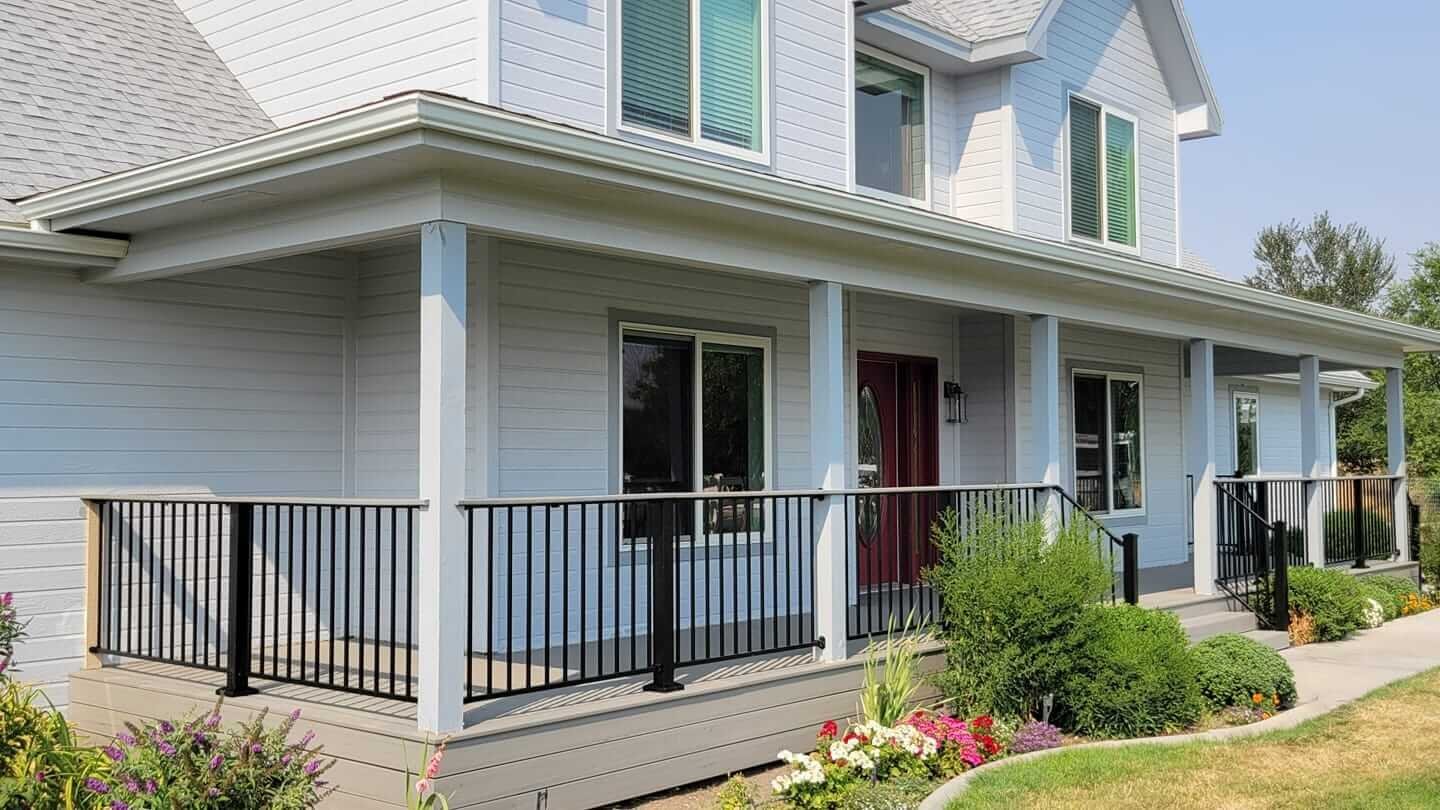
Build Up, Not Just Out: The Beauty of Multi-Level Decks
Sometimes one level just isn’t enough. Whether your yard is sloped or you simply want more dimension, a multi-level deck can make your outdoor space feel larger, more useful, and custom-designed to fit your lifestyle.
It’s a great way to break up boring backyard layouts and give your family room to spread out. But before you dive in, there are key things to consider.
The Upsides of Multi-Level Decks
There’s a reason multi-level decks are a popular choice for custom builds:
Defined spaces: You can separate your cooking area from your lounging space, or create a quiet reading nook away from the main crowd.
Design flexibility: Multi-level layouts adapt well to sloped yards, uneven terrain, or split-level homes.
Increased visual appeal: A well-designed tiered deck adds depth, movement, and character to your backyard.
Higher resale value: Buyers love outdoor spaces that feel like an extension of the home.
Multi-level decks also offer the chance to include extras like built-in benches, shade structures, or privacy screens—making your deck more than just a flat surface.
Challenges and Considerations
Of course, more layers mean more planning. Here’s what to be aware of:
Cost: Multi-level decks are more complex to design and build, often making them more expensive than single-level options.
Permits and codes: Each level must meet local safety and building standards, including guardrails and stairs.
Maintenance: With more surface area and features, cleaning and upkeep can take more time.
Accessibility: If your household includes young children or seniors, stairs and elevation changes could pose challenges.
Working with experienced deck builders Nampa ID (like our team at Sunset Decks Idaho) can help navigate these potential downsides while offering creative solutions.
Smart Design Tips for Multi-Level Success
Want your deck to look great and function even better? Keep these design tips in mind:
Plan zones: Think about how each level will be used—dining, relaxing, grilling, etc.
Stair placement matters: Stairs should feel natural and safe to navigate, with good lighting.
Use cohesive materials: Even with different levels, your deck should feel like one connected space.
Integrate landscaping: Plants, lighting, and pathways can soften the structure and enhance flow.
Ask your deck builder to add custom touches like pergolas, lighting features, or even water elements to make each level feel like its own retreat.
Foundation and Framing Must Be Spot-On
Unlike simple platforms, multi-tiered decks need strong structural planning. Each level requires proper footing, joist spacing, and support to prevent shifting or settling over time.
Soil type and slope play a huge role in determining foundation needs.
Your contractor should design with drainage in mind to avoid water pooling at lower levels.
With expert framing, your deck becomes a solid and long-lasting extension of your home—not a weekend project that needs constant repair.
Conclusion
Multi-level decks bring beauty, function, and structure to your outdoor space—but they require careful planning and expert execution. If you’re considering one, make sure you work with a deck builder who understands every layer of the project.
Call Sunset Decks Idaho at (208) 739-6778 today—we’re here to design and build the perfect deck for your Nampa home.

Building Without Permits? Here’s Why It Could Cost You Later
When you're excited about building a new deck, it’s tempting to jump right in. The weather’s good, you’ve got the plans ready, and you're eager to see progress. But there's one step you can't afford to skip: permits. In Nampa, like most cities in Idaho, deck permits aren’t just red tape—they're legal requirements that protect your home and your investment.
What Permits Actually Do for Your Deck Project
Permits might feel like a delay, but they serve an important role:
Ensure safety standards: The city checks that your design meets local building codes.
Protect your property value: Unpermitted work can create issues when selling or refinancing.
Prevent costly mistakes: A permit review may catch something you hadn’t thought of—like utility lines, setbacks, or load requirements.
Most deck permits in Nampa are handled through the local building department and are approved within a few days to a couple of weeks, depending on the complexity of the project. Having a clear, professional plan ready can often speed up the approval process.
What Happens If You Build Before Getting Approval?
Starting without permits might seem quicker, but it can backfire:
Fines or stop-work orders: The city can force you to halt construction until permits are obtained.
Tear-down risks: In worst-case scenarios, you may be required to remove what you’ve already built.
Insurance problems: Damage to an unpermitted deck may not be covered under homeowners insurance.
If you’ve already started and realize you need a permit, don’t panic—but stop work and call a professional deck builder Nampa ID to help get things back on track. It’s always better to fix things early than to face major consequences later.
Do All Decks Need Permits in Nampa?
Not always. Smaller decks that are:
Under 200 square feet,
Less than 30 inches off the ground,
Not attached to the home
...may not need a permit. However, each project is unique. It’s always best to check with Nampa’s local building office before you begin.
Our deck builder team has years of experience with city codes and can handle the paperwork, so you don’t have to navigate it alone. When in doubt, let us review your plans and determine whether a permit is required. That way, your project stays safe and compliant.
Our Advice? Plan Ahead and Build Right
In our line of work, we’ve seen what happens when shortcuts are taken—and it’s never worth the risk. Permits give you peace of mind. They ensure your deck is safe, long-lasting, and legally sound.
We recommend factoring in permitting time when scheduling your build, so the process is smooth from start to finish. This little bit of planning makes a big difference when it comes to timelines, budgeting, and avoiding project headaches.
Conclusion
Building a deck is exciting—but it’s also a legal process. Don’t risk fines or delays by skipping permits. Let professionals guide you through every step.
Call Sunset Decks Idaho at (208) 739-6778 today. Our expert deck builders are here to make sure your Nampa deck build starts right and ends even better.
How Strong Is Your Deck? What to Know About Load Capacity
Planning to host a backyard barbecue with all your friends? Add a hot tub? Set up a heavy grill station? Before you do, make sure your deck can actually support the weight. Many homeowners in Boise are surprised to learn just how much science goes into building a safe and sturdy deck. Let’s break it down.
It’s More Than Just Wood
While the surface materials are important, the real strength of a deck comes from what lies beneath.
Joist size and spacing directly affect how much weight your deck can bear. More joists = more support.
Footings and posts distribute the weight into the ground. If these are too shallow or poorly spaced, your deck may sag or shift.
Ledger boards attach the deck to the house and need to be properly anchored to avoid collapse.
As a rule of thumb, most residential decks are designed to hold around 50 pounds per square foot—but this includes furniture, people, and the deck’s own weight. If you’re planning something heavier (like a spa), your design must be adjusted accordingly.
Not All Loads Are the Same: Understanding Live vs. Dead Load
In the decking world, we often talk about two types of load:
Dead Load: The weight of the deck itself, including framing, boards, and fasteners.
Live Load: Temporary weight like people, furniture, or snow.
Deck builders Boise ID homeowners trust take both into account during planning. If your deck is elevated or includes multi-level platforms, each section might need different support based on use.
Moisture, Weather, and Age Can Weaken Deck Supports Over Time
Even a deck that was once strong can become unsafe as materials age.
Water damage from poor drainage or untreated lumber can weaken joints and posts.
Snow buildup in Boise winters can add more live load than expected.
Shifting soil or improper installation can affect how much weight your deck can safely support years down the line.
This is why regular inspections and proper construction techniques are so important for long-term safety.
Building With the Future in Mind: Planning for Extra Weight
You may not need a reinforced structure today—but what about tomorrow?
Thinking of adding a pergola, hot tub, or outdoor kitchen down the line?
Expecting frequent large gatherings or heavy furniture?
Want to boost home value with a long-lasting, heavy-duty build?
When you work with professional deck builders, we can design for extra load capacity now so you don’t have to rebuild later.
Conclusion
A strong deck starts with smart planning. From footings to fasteners, every piece plays a role in how much weight your deck can handle. Don’t leave it to guesswork—make sure your deck is built to support your lifestyle safely.
Want expert advice for your next deck build? Call Sunset Decks Idaho at (208) 739-6778 today—our deck builders are here to make sure your outdoor space is beautiful, functional, and built to last.
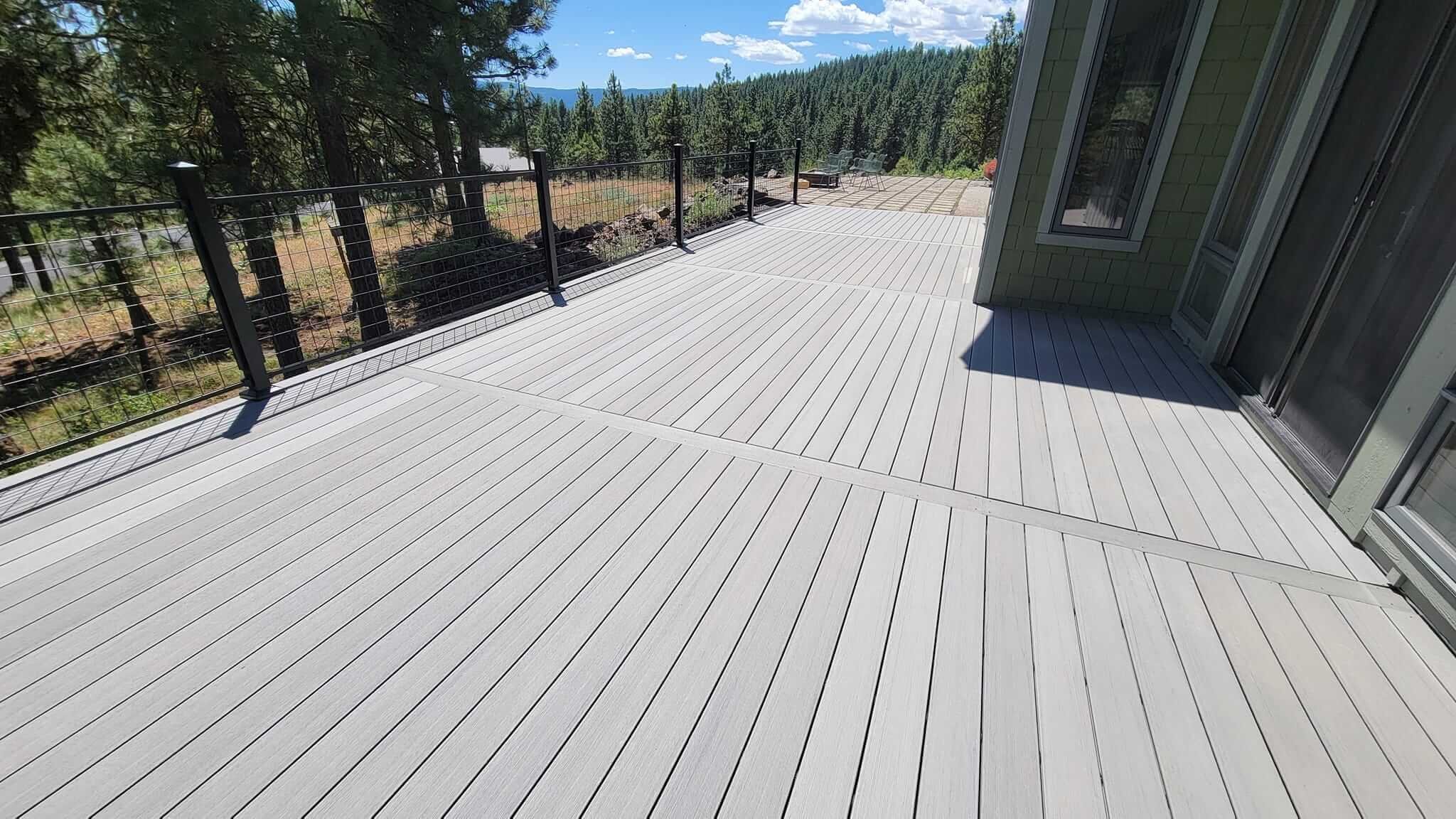
What Questions Should You Ask Before Building a Deck?
Building a deck is an exciting step toward expanding your living space and enjoying the outdoors. But before a single board is cut or a hole is dug, there are important questions to ask. These questions help you get the best design, materials, and long-term value. Here’s what every Boise homeowner should find out before beginning the process.
What Is My Budget and What Does It Include?
Before you can design your dream deck, you need to understand what’s possible within your price range. Many homeowners are surprised by what’s not included in the basic quote.
Does the budget include permits, materials, labor, demolition, and design work?
Are finishing touches like railing, lighting, or custom steps part of the cost?
What happens if prices rise due to material shortages or changes?
We always recommend setting aside a small buffer for surprises—things like hidden damage or weather delays can impact the final cost.
When you work with reliable deck builders Boise ID residents recommend, you'll receive clear estimates and honest communication.
What Materials Should I Use for My Climate?
Boise sees all kinds of weather: snow, sun, wind, and rain. That’s why choosing the right material is key.
Which materials resist moisture, UV rays, and temperature swings?
Is natural wood a good fit, or would composite or PVC decking hold up better?
How often will I need to reseal, clean, or maintain the material?
If you're someone who doesn’t want to sand or stain every few years, low-maintenance materials like composite might be a smart choice—even if they cost more upfront. Ask for samples and compare how they feel underfoot and how they’ll look over time.
Do I Need Permits or Inspections?
In Boise, a deck build often requires city approval—especially if it’s raised or attached to your home.
Will your project need zoning or building permits?
Who handles the paperwork—you or your contractor?
Are city inspections needed during or after the build?
Cutting corners here can create major headaches later, like fines or mandatory tear-downs. That’s why we always recommend working with licensed deck builders who handle the red tape for you.
What’s the Best Deck Design for My Lifestyle?
The best deck isn’t just beautiful—it fits your day-to-day life. Consider how your deck will serve you year-round.
Is this mainly a space for dining, relaxing, or entertaining?
Do you want shade features, privacy elements, or built-in seating?
Will kids or pets be using the deck often?
Discuss these lifestyle needs early so your layout, materials, and features match your actual use—not just a magazine picture.
Don’t Overlook the Importance of Structural Support
While decking materials get most of the attention, the strength and safety of your deck rely heavily on what’s underneath. Beams, posts, joists, and footings all play a major role in keeping your deck level and secure for years.
Pressure-treated lumber is commonly used for framing, but must be installed correctly to avoid warping or rot.
Proper spacing between joists and strong footing depth help your deck handle snow loads and prevent sagging.
Your local climate and soil type can affect which support structures work best.
Working with experienced deck builders ensures that your deck won’t just look good—it will stay solid and safe long-term.
Conclusion
Smart planning begins with smart questions. From budgeting and design to permits and materials, knowing what to ask makes a world of difference. A well-planned deck is safer, lasts longer, and fits your life perfectly.
Call Sunset Decks Idaho at (208) 739-6778 today and let’s start building a space that works for you—step by step, question by question.

How Do I Pick Durable Lumber for Boise Decks?
Choosing the right lumber is one of the most important parts of building a deck that lasts. Boise weather brings a mix of hot summers, snowy winters, and everything in between—so your deck materials need to handle it all. The good news? With the right guidance, you can pick a wood type that looks great and stands strong for years.
Start with the Basics: What Counts as “Durable” Lumber?
Not all lumber is the same. “Durable” means it can hold up against rot, insects, moisture, and wear—and that depends on the type of wood and how it's treated.
Pressure-treated lumber: A common choice for affordability and decent weather resistance. It's chemically treated to resist rot and pests.
Cedar and redwood: Naturally resistant to decay and insects, and offer a warm, rich look. They require sealing every couple of years.
Hardwoods like ipe: Extremely durable and long-lasting but come at a higher cost and are harder to work with.
Durability also depends on how well the deck is maintained over time, so don't forget to factor that in.
Consider Boise’s Climate Conditions
The changing weather in Boise isn’t just a comfort issue—it can seriously affect your deck’s lifespan.
Freeze-thaw cycles can cause untreated wood to crack or warp.
High summer heat can dry out softer woods, causing them to split.
Snow and moisture buildup can lead to mold, rot, and fast deterioration.
For this reason, many deck builders recommend treated lumber or weather-resistant hardwoods. Composite decking is another option that holds up well in varied conditions, although it's not technically “lumber.”
Match the Lumber to the Deck’s Purpose
Think about how your deck will be used. A high-traffic entertainment space needs different materials than a quiet back porch.
Main decking surfaces: Go for smooth, splinter-resistant wood that stays cool in summer.
Framing: Pressure-treated lumber is strong and cost-effective for the base structure.
Railings and trim: Decorative woods like cedar can enhance appearance without taking on too much wear.
Consulting with a pro deck builder can help ensure the right lumber is used in the right spots—for both beauty and strength.
Quality Grades Matter: Don’t Settle for Subpar Wood
Even the right type of wood won’t last if it’s poor quality. Lumber is graded based on appearance and structural integrity.
#1 or “select” grade offers fewer knots and better consistency—great for visible areas.
Construction-grade lumber is suitable for hidden framing and supports.
Kiln-dried after treatment (KDAT) options resist shrinking and warping better.
When you work with trusted deck builders Boise ID residents rely on, they’ll help you source lumber that meets high durability standards.
Conclusion
Choosing the right lumber takes more than a quick trip to the hardware store. From pressure-treated pine to exotic hardwoods, your deck’s future depends on making the smart call today.
Want help picking the perfect fit? Call Sunset Decks Idaho at (208) 739-6778—we’ll help you build a deck that lasts through every Boise season!
What’s the Safest Way to Build a Deck on Sloped Ground?
Not every yard is flat—and that’s okay. A sloped yard doesn’t mean you have to give up on your dream deck. In fact, with the right planning, building on a slope can offer some unique style and practical benefits. If you’re planning to add a deck to your sloped property, safety should always be your first concern. Let’s look at how to build it the right way.
Know Your Slope: Assess Before You Design
Before construction begins, it's important to understand your land. Not all slopes are created equal, and that difference plays a huge role in your design.
Mild vs. steep slopes: A mild slope may only need longer posts or footings. A steeper slope might require retaining walls or a multi-level deck.
Soil conditions: Loose or sandy soil may need deeper footings or more bracing.
Drainage issues: You’ll want to avoid water pooling under or around the deck, so proper grading is essential.
A skilled deck builder or contractor can perform a site survey and suggest the safest foundation and design strategy for your situation.
Use Strong, Secure Footings for Stability
Deck safety starts from the ground up. When you’re building on a hill, footing depth and placement matter more than ever.
Concrete footings are a must. These are poured below the frost line and prevent your deck from shifting with seasonal changes.
Deeper footings may be required on the lower end of the slope to keep everything level and secure.
Diagonal bracing between posts can add support and reduce wobble, especially on elevated sections.
For elevated decks or those sitting more than a few feet off the ground, using a ledger board properly attached to the home may add extra stability.
Design for Safety and Balance
A safe sloped-deck isn’t just about the foundation—it’s also about the layout. Certain designs work better on uneven ground.
Tiered decks (with separate levels connected by steps) reduce the height of any single platform, making it safer and easier to build.
Cantilevered sections can create stylish overhangs without adding too many support posts below.
Railings and guardrails should be code-compliant—especially if any part of the deck is more than 30 inches off the ground.
Even the safest materials can fail if the design doesn’t account for the slope properly. That’s where hiring experienced deck builders Boise ID homeowners trust can make a big difference.
Don’t Forget Long-Term Maintenance
A sloped deck faces more exposure to water, soil runoff, and wind. Planning for long-term durability is part of building safely.
Composite decking resists rot and warping better than untreated wood.
Drainage gaps between boards and flashing on ledger boards keep moisture away.
Annual inspections help catch settling or movement early before it becomes a hazard.
When you plan with care and use quality materials, your deck will last for years—even on a hill.
Conclusion
Building a deck on sloped ground isn’t a problem when you follow smart design and safety practices. With the right footings, layout, and materials, your new outdoor space can be both beautiful and secure.
Need expert help to make it happen? Call Sunset Decks Idaho at (208) 739-6778—our deck builders are here to build safe, stylish decks that fit your landscape perfectly!

Creating a Multi-Purpose Deck: How to Combine Dining, Lounging, and Entertaining
What if your deck could do more than just serve as a place to sit? What if it could become a space for dining, lounging, and entertaining all at once? Creating a multi-purpose deck allows you to enjoy your outdoor space to the fullest, whether you want to host a dinner party, relax with a book, or entertain friends and family.
A deck that can adapt to different needs enhances both the functionality and enjoyment of your backyard. Here’s how to create a deck that combines dining, lounging, and entertainment.
Designating Zones for Different Activities
To make the most of your multi-purpose deck, start by dividing the space into distinct zones that cater to different activities. This allows each area to function independently while still feeling cohesive.
Dining Area: Choose a location for your dining space that’s close to the kitchen or grill. A table and chairs set the stage for meals and gatherings.
Lounge Area: For relaxation, create a comfortable lounge area with seating like lounge chairs, a sectional, or even a hammock.
Entertainment Area: If you love hosting, include space for games, a fire pit, or an outdoor bar. This zone can be more interactive and casual.
A deck builder can help you with the best layout to ensure each zone works seamlessly with the others.
Choosing the Right Furniture and Features
When creating a multi-purpose deck, the right furniture and features are essential for comfort and style.
Durable, weather-resistant furniture: Choose materials that can withstand the elements, such as teak, aluminum, or synthetic wicker, to ensure longevity.
Built-in seating: Space-saving built-in benches or even storage seats offer both seating and storage solutions without cluttering your deck.
Storage solutions: Invest in furniture with hidden storage or stylish deck boxes to store cushions, blankets, or outdoor gear.
Selecting furniture that suits each activity will help you create a comfortable and functional multi-purpose deck.
Incorporating Design Elements for Flow and Function
A well-designed multi-purpose deck requires thoughtful planning by the deck builder Middleton ID to ensure smooth transitions between areas and a visually appealing space.
Flow between zones:
Use furniture arrangement and outdoor rugs to define each area while keeping the space open and accessible. A consistent design theme will create harmony between different zones.
Lighting:
Strategic lighting can enhance each area and set the mood. Consider using string lights over the dining space, task lighting near the grill, and ambient lighting around the lounge area.
Landscaping:
Add plants, hedges, or trellises to divide areas without blocking the flow of the space. Planting along the perimeter or in planters can also add privacy without feeling too closed off.
Weather Protection:
Install a pergola over the dining area or use umbrellas in the lounging zone to provide comfort on hot days. Retractable awnings or outdoor curtains also work well for weather protection.
These design elements not only enhance the functionality of each zone but also ensure that your deck feels cohesive and comfortable in all conditions.
Conclusion
A multi-purpose deck is the ultimate outdoor space that offers something for everyone. By carefully designing zones, selecting durable furniture, and adding thoughtful design elements, you can create an outdoor area that’s perfect for dining, relaxing, and entertaining all year round.
Get in touch with our deck builders at Sunset Decks Idaho today for expert advice on designing and building a multi-purpose deck that fits your home and lifestyle!
Winterizing Your Deck: Tips for Protecting Your Investment
Winter can be harsh on outdoor spaces, especially your deck. With snow, ice, and freezing temperatures, your deck faces the brunt of the cold season.
But don’t worry—taking a few simple steps to winterize your deck can ensure it remains in great condition throughout the year. Here are some easy and effective tips for protecting your deck from winter damage.
Clean Before the Cold Hits
The first step in winterizing your deck is to give it a thorough cleaning. Removing dirt, leaves, and debris will prevent moisture buildup and help protect your deck’s surface during the colder months.
Sweep debris: Start by sweeping away leaves, dirt, and twigs from your deck to avoid them getting trapped during winter.
Wash with a deck cleaner: Use a deck-safe cleaner to remove grime and stains that can trap moisture.
Let it dry: Allow your deck to fully dry before winterizing to avoid trapping moisture underneath.
A clean deck will make the following protection steps more effective and ensure it stays looking great.
Inspect for Damage
Before you apply any protective coatings or sealers, it’s crucial to check for any existing damage. Cold temperatures can exacerbate issues like cracking or splitting, so it’s important to catch these early.
Check for cracks: Inspect the boards and railings for any cracks, which could worsen in the cold.
Secure loose boards: Tighten any loose or wobbly boards to prevent further damage during the winter.
Look for rot: Check for signs of wood rot, which can worsen with moisture exposure during the winter months.
If you spot any damage, a deck builder can assist with repairs to ensure your deck is ready for winter and can withstand the cold season.
Apply a Protective Sealant
One of the most important steps in winterizing your deck is applying a protective sealant. A good sealant acts as a barrier against moisture, preventing rot, mold, and mildew from developing during the wet winter months.
Choose a high-quality sealant: Look for a product that’s designed for your deck material, whether it’s wood, composite, or vinyl.
Apply a coat: Use a brush or roller to apply the sealant evenly across the surface, paying close attention to the seams and edges.
Reapply annually: To maintain protection, plan on resealing your deck every year before winter.
A skilled deck builder Eagle ID can recommend the best sealant for your deck type and ensure a professional application.
Winter Deck Storage and Maintenance
If possible, consider storing outdoor furniture and accessories before the weather turns. Keeping your furniture safe from snow and ice will prevent unnecessary wear and tear, while also making it easier to shovel snow or perform maintenance on your deck.
Store furniture indoors: Move cushions, pillows, and furniture into storage to avoid water damage or fading.
Cover large furniture: If you can’t store furniture, invest in heavy-duty covers to protect it from the elements.
Shovel snow carefully: Use a plastic shovel or broom to remove snow gently from the surface of the deck, avoiding damage to the boards.
Conclusion
Winterizing your deck is pretty simple. With a little cleaning, inspection, sealing, and protection, your deck will survive the harsh winter and be ready for spring. A bit of effort now ensures your deck remains a beautiful outdoor space for years.
Call Sunset Decks Idaho at (208) 739-6778 today for expert advice from our deck builders on winterizing your deck and keeping it in great shape all year long!
The Pros and Cons of Raised Decks: Is It Right for You?
Raised decks are a popular option for homeowners looking to elevate their outdoor living space. Whether you have a sloping yard, want a better view, or need to add more space to your home, a raised deck might be the solution.
But before you make a decision, it’s important to consider both the advantages and disadvantages. Let’s explore the pros and cons of raised decks to help you determine if it’s the right choice for you.
Pros of Raised Decks
Raised decks offer several benefits that make them a great choice for certain homes and yards. Let’s take a look at what makes raised decks a popular option:
Better Views: One of the main reasons homeowners opt for raised decks is to take advantage of elevated views. Whether it’s a beautiful garden, a lake, or a scenic backyard, raised decks provide a better vantage point.
Extra Living Space: Raised decks create additional living space that can be used for dining, lounging, or entertaining. It’s a perfect spot for gatherings and outdoor meals.
Increased Property Value: A raised deck built by expert deck builders McCall ID can add value to your home, especially if it provides stunning views or enhances the overall aesthetics of your property.
Ideal for Sloped Yards: If you have a sloped or uneven yard, a raised deck offers a great solution by leveling the space and providing an elevated outdoor area.
Cons of Raised Decks
While raised decks come with many benefits, there are some drawbacks to keep in mind before moving forward with the project:
Higher Costs: Raised decks tend to be more expensive than ground-level decks because they require additional materials for support structures such as posts, beams, and railings.
Maintenance: Raised decks, especially those with wood components, require regular maintenance from deck builders. The underside of the deck can collect dirt, debris, and moisture, leading to potential damage if not properly cared for.
Access and Safety Concerns: Raised decks can be more challenging to access, especially for young children or elderly individuals. Installing stairs or a safe access point is essential, which can add to the cost.
Local Regulations: Building a raised deck often requires specific permits and must comply with local building codes, which can add complexity to the process. Be sure to consult with a professional to ensure you meet all the requirements.
Is a Raised Deck Right for You?
To decide if a raised deck is the best option for your home, consider the following factors:
Your yard’s slope: If your yard has a steep incline, a raised deck is an ideal solution. It provides a functional and beautiful way to utilize the space.
Budget: Raised decks generally cost more to build, so make sure the investment fits your budget.
Usage: If you plan to entertain, a raised deck is perfect for creating a special outdoor area. If you want a simple space for relaxing, a ground-level deck may be sufficient.
Long-term maintenance: Be prepared for the extra upkeep required to maintain a raised deck, especially when it comes to cleaning and protecting the underside from moisture and debris.
Conclusion
A raised deck can be a fantastic addition to your home, offering stunning views and extra space for entertaining. However, it’s essential to weigh the pros and cons to ensure it fits your budget, maintenance preferences, and design goals.
Call Sunset Decks Idaho at (208) 739-6778 today to explore if a raised deck is the right choice for your home and get expert guidance from our deck builders on the installation process!

What to Expect During the Deck Installation Process: A Homeowner’s Guide
Building a deck is an exciting project that adds both value and enjoyment to your home. But, like any major home improvement project, it’s important to know what to expect. From the initial consultation to the final touches, here’s a breakdown of the typical deck installation process, so you can be prepared every step of the way.
Step 1: Initial Consultation and Design
The first step is the consultation, where you’ll meet with the deck builder to discuss your vision. This is where the fun begins!
Discuss your needs: What’s the deck’s primary purpose? Is it for dining, entertaining, or just lounging?
Design options: The builder will help you choose materials, layout, and design that match your style and budget.
Budget and timeline: You’ll discuss the overall budget and how long the project will take. Make sure everything is clear before moving forward.
By the end of this step, you’ll have a design plan and an understanding of costs and the timeline.
Step 2: Preparing the Site
Once the design is finalized, the next step is preparing your yard for the deck installation. This may involve clearing debris, leveling the ground, and getting everything ready for construction.
Clearing the area: Any trees, shrubs, or obstacles in the way will be removed to create a clear space.
Leveling: If your yard has any slope, the ground will need to be leveled to ensure the deck is stable.
Laying the foundation: This could involve digging holes for footings, pouring concrete, or installing posts that will support the deck.
Proper site preparation ensures your deck will be stable, durable, and safe.
Step 3: Building the Frame and Structure
After the site is prepped, the foundation of the deck begins to take shape. This is where the skeleton of your deck comes together.
Installing the frame: The frame is the structural support for the deck and includes beams, joists, and posts.
Securing the posts: These posts are what hold the deck up, and they must be secured properly to support the weight of the entire structure.
Ensuring level and square: The builder will double-check the frame to ensure it’s level, square, and sturdy before proceeding.
At this stage, you’ll see the frame and structure starting to take shape, and the project is well on its way!
Step 4: Installing the Decking and Finishing Touches
Once the frame is in place, the decking materials are installed. This is when you’ll see your vision start to come to life.
Installing decking boards: Whether you’re using wood, composite, or another material, the decking boards will be fastened to the frame.
Adding railings and stairs: The finishing touches like railings, stairs, and any other custom features are installed to ensure your deck is functional and safe.
Sealing and staining: For wood decks, deck builders Star ID apply a sealant or stain to protect the surface from moisture and weathering.
At this point, your deck is really starting to look like the outdoor space you imagined.
Step 5: Final Inspection and Cleanup
Once everything is installed, it’s time for the final inspection and cleanup. Your builder will ensure everything meets the design specifications and safety standards.
Final inspection: The builder will check the deck to ensure there are no loose boards, exposed nails, or other issues that could compromise safety.
Cleanup: The site will be cleaned up, and any leftover materials or debris will be removed.
Walkthrough: You’ll walk through the final product with your builder to ensure everything is perfect.
At this stage, you’ll be able to enjoy your new deck right away, knowing it’s safe, functional, and built to last.
Conclusion
Building a deck is a process that requires planning, precision, and attention to detail. By understanding each step in the installation process, you’ll be better prepared for a smooth experience and a beautiful final product.
Call Sunset Decks Idaho at (208) 739-6778 today for expert installation services from our deck builders and start bringing your outdoor dream space to life!
Creative Deck Ideas for Sloped Backyards: Make the Most of Your Space
Got a sloped backyard? Don’t let it hold you back from creating your dream outdoor space. With the right design, a sloped yard can become a beautiful, functional retreat.
Sloped yards can present a challenge when creating an outdoor living space, but with the right design, they can become an opportunity to add charm and function. Here are some creative deck ideas to consider when working with a sloped yard.
Terraced Decks for Multi-Level Functionality
Terraced decks are a great solution for sloped yards, creating multiple levels to enhance functionality and design.
Separate Zones: With different deck levels, you can create distinct zones for dining, lounging, and gardening, making your space both organized and versatile.
Better Views: Multi-level designs allow for great sightlines, making the space feel larger and providing elevated views, especially in smaller yards.
Improved Access: Terracing provides easy access between levels, making your deck more accessible and functional, even with a sloped yard.
Terraced decks maximize the natural slope, turning uneven land into a stylish and functional space.
Elevated Decks for Scenic Views
An elevated deck makes the most of your sloped yard, offering stunning views and increased functionality.
Great Views: Elevated decks provide panoramic views of your garden, the surrounding landscape, or even a nearby lake.
Under-Deck Storage: Utilize the space below for extra storage or ask your deck builder to add sheltered seating.
Natural Transition: Elevated decks help seamlessly connect different yard levels, enhancing the flow and usability of your outdoor space.
An elevated deck is a fantastic choice for both scenic enjoyment and practical use, giving your sloped yard a stylish edge.
Steps and Railings for Safety and Style
In sloped yards, adding well-designed steps and railings enhances both safety and aesthetics.
Wide, Sturdy Stairs: Opt for wide, non-slip stairs that ensure easy access to different deck levels, especially when wet.
Custom Railings: Choose materials that complement your deck’s design, like wood, metal, or glass, for a functional yet elegant look.
Safe Features: Include lighting along stairs and railings to ensure safe navigation during evening hours.
Professional deck builders Middleton ID can help design custom stairs and railings that match your deck’s style while ensuring safety.
Integrating Natural Landscaping with the Deck
Blending your deck with natural landscaping elements creates a seamless, beautiful transition between your deck and the yard.
Lush Gardens: Add greenery, flowers, and plants around the deck to soften the edges and enhance the view.
Water Features: A small fountain or pond beneath or beside the deck adds tranquility and beauty.
Stone Paths: Create stone or gravel walkways to connect the deck to other areas of your yard, enhancing the natural feel.
Conclusion
A sloped backyard offers exciting opportunities to create a stunning, functional outdoor space. With terraced designs, elevated decks, and careful landscaping, you can transform your sloped yard into a beautiful retreat.
Get in touch with our professional deck builders at Sunset Decks Idaho today to explore creative deck ideas for your sloped backyard!
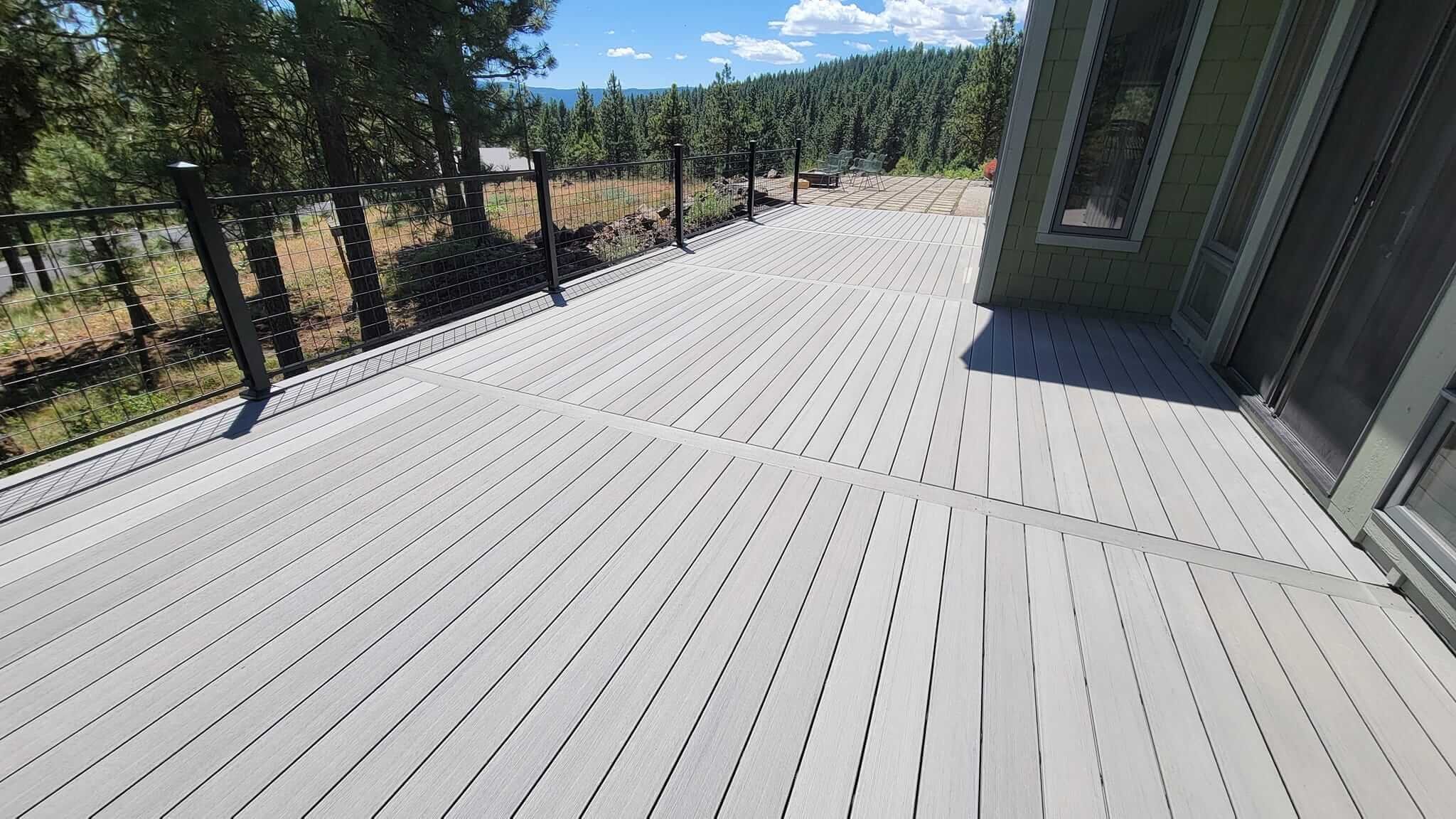
How to Prevent Deck Rot: Tips for Maintaining Your Deck’s Health
Deck rot is one of the most common and costly issues that homeowners face, especially when the deck is exposed to moisture, humidity, and weathering over time. But don't worry!
With a little preventative maintenance, you can keep your deck in tip-top shape and extend its lifespan. Here are some simple yet effective tips to prevent deck rot and maintain the health of your outdoor space.
Keep It Clean and Dry
The first line of defense against deck rot is keeping your deck clean and dry. Moisture is the biggest enemy of wood decks, as it promotes the growth of mold and mildew, which can lead to rot.
Sweep regularly: Remove debris like leaves, dirt, and twigs, which can trap moisture against the deck.
Wash your deck: Periodically clean your deck with a deck-safe cleaner to remove grime and mold.
Dry it out: After cleaning, make sure your deck has enough time to dry completely, as prolonged moisture can cause damage.
Seal and Stain Your Deck
Sealing and staining your deck is one of the best ways to protect it from water damage and rot. By applying a high-quality sealant or stain, you create a protective barrier that helps keep moisture out of the wood.
Choose a quality sealer: Look for a deck sealant that provides both water and UV protection.
Reapply regularly: Depending on the climate and material, you should reseal your deck every 1–3 years to maintain its protective layer.
Stain before sealing: If you’re using stain, apply it first to enhance the wood’s natural beauty, then follow with a clear sealer.
A professional deck builder can recommend the right sealing and staining techniques for your deck material.
Check for Damage Regularly
Regular inspections, either by yourself or expert deck builders McCall ID, are crucial to catch any signs of damage before it leads to rot. Look for signs of weakened boards, mold growth, or any areas where water might be pooling.
Inspect for cracks and splits: Cracked wood allows water to enter, which can lead to rot over time.
Check around fasteners: Screws or nails can allow water to enter the deck boards, causing them to rot. Make sure fasteners are tight and not rusted.
Look for mold or mildew: Mold growth is a sure sign that moisture is trapped in the wood, and it can lead to rot if left untreated.
Improve Drainage
One of the main causes of deck rot is poor drainage. Water should not be allowed to accumulate on the surface or underneath your deck.
Ensure proper slope: Make sure your deck has a slight slope to allow water to run off easily.
Check gutters and downspouts: Ensure that gutters are clear and that water is directed away from the deck’s foundation.
Use a deck mat: Consider placing mats in high-traffic areas to absorb water and prevent it from pooling.
A professional deck builder can design your deck with proper drainage solutions to avoid future issues.
Conclusion
Preventing deck rot doesn’t have to be difficult. By keeping your deck clean, sealing it regularly, checking for damage, and ensuring proper drainage, you can protect your deck from the elements and extend its life.
Call Sunset Decks Idaho at (208) 739-6778 today for expert advice on how to maintain your deck’s health and prevent rot!
Why Composite Decking Is the Future of Outdoor Spaces
Composite decking is gaining popularity, and for good reason. If you’re thinking about building or upgrading your deck, choosing the right material is key to creating a beautiful, durable, and low-maintenance outdoor space. Let’s dive into why composite decking is becoming the future of outdoor spaces.
Low Maintenance, High Durability
One of the main benefits of composite decking is its incredibly low maintenance. Traditional wood decks require regular staining, sealing, and cleaning to keep them looking great. Composite decking, on the other hand, only requires occasional cleaning.
Resistant to weather: Composite decks don’t warp, splinter, or crack like wood, even in extreme temperatures.
No staining or sealing: With composite decking, you don’t need to spend your weekends staining or sealing your deck to maintain its beauty.
Easy cleaning: Just wash it with soapy water and a hose to remove dirt and grime.
A reliable deck builder can help you choose a composite decking material that fits your style and needs, ensuring minimal upkeep.
Sustainable and Eco-Friendly
Composite decking isn’t just easy to maintain—it’s also an environmentally friendly choice. Most composite materials are made from recycled wood fibers and plastics, which makes them more sustainable than traditional wood decking.
Made from recycled materials: Composite decks are often made from recycled wood and plastic, helping reduce waste.
Long-lasting: Unlike wood, composite decking won’t rot or degrade over time, which reduces the need for replacement and cuts down on environmental impact.
Recyclable: Some composite materials can be recycled once they reach the end of their lifespan, further reducing their environmental footprint.
Choosing composite decking is a great way to go green without sacrificing style or performance.
Beautiful and Versatile Design Options
Another reason composite decking is the future is because of its wide range of design options. Whether you prefer a traditional wood look or something more modern, composite decking has you covered.
Variety of finishes: Composite boards come in various colors and finishes, from rich wood tones to sleek modern grays.
Textured options: Composite decking comes with textures that mimic real wood, providing the same beautiful look with added durability.
Customizable: Composite decking can be designed to fit any backyard, with options for railing, stairs, and even built-in lighting.
With so many colors and styles available, composite decking allows you to create the outdoor space you’ve always dreamed of.
Long-Term Investment
While composite decking may cost more upfront compared to traditional wood, its long-term benefits far outweigh the initial investment. With its durability, low maintenance, and long lifespan, composite decking can save you money in the long run.
Less upkeep: No need for regular staining, sealing, or replacing rotting boards.
Longevity: Composite decks last 25 years or more, making them a smart investment for your home.
Increased property value: A well-maintained composite deck can increase your home’s value, making it an attractive feature for potential buyers.
Working with trusted deck builders Star ID can ensure the right installation and the best materials for long-term success.
Conclusion
If you’re ready to build or upgrade your deck, composite decking offers unmatched benefits in terms of durability, maintenance, and eco-friendliness. With its versatile design options and long-term value, composite decking is the perfect choice for modern outdoor living.
Talk to our professional deck builders by calling Sunset Decks Idaho today to explore the many options composite decking has to offer!
Maximize Outdoor Fun: Designing a Deck for All Seasons
Designing a deck that maximizes your outdoor enjoyment is all about creating a space that fits your lifestyle and allows you to make the most of your time outdoors. Whether you’re hosting barbecues, lounging in the sun, or enjoying quiet evenings, your deck should be designed with comfort and fun in mind. Here’s how you can create the ultimate outdoor retreat.
Consider How You’ll Use Your Deck
Before you start dreaming about the perfect deck, think about how you plan to use it. Will it be a place to entertain guests, relax with your family, or serve as an outdoor dining area?
For dining: You’ll want ample space for a table and chairs, along with easy access to the kitchen or grill.
For relaxation: Add comfy seating, maybe a hammock, and even a fire pit for cozy nights.
For entertaining: Include extra space for a bar, games, or even an outdoor TV setup.
Designing your deck with a specific purpose in mind ensures it fits your needs perfectly.
Add Multi-Functional Zones
Creating different zones for various activities on your deck makes the space more versatile and enjoyable. This allows you to have a designated area for dining, lounging, and entertainment, all in one deck!
Dining area: Choose a location that’s close to the grill or kitchen, where you can enjoy meals without the hassle of walking too far.
Lounge area: Designate a quiet spot for relaxing with comfy chairs or a sectional. Add a few pillows and throws for extra comfort.
Entertainment zone: If you love entertaining, consider adding a built-in bar or space for an outdoor TV, perfect for game nights.
A skilled deck builder can guide you in making the most of the available space by designing these zones to flow seamlessly.
Incorporate Privacy and Comfort
When designing a deck, it’s important to consider privacy, especially if you have neighbors nearby. Adding elements that give you a sense of seclusion can make your deck feel more like an intimate retreat.
Privacy screens: Use lattice panels or tall plants to create boundaries between you and your neighbors.
Deck railing design: Opt for low, open railings if you want an unobstructed view or high, solid railings for more privacy.
Comfortable seating: Choose weather-resistant cushions, pillows, and throws to make the seating area cozy and inviting.
Incorporating these elements can make your deck a more private and comfortable space to unwind.
Design with Your View in Mind
If you’re lucky enough to have a great view, make sure your deck takes full advantage of it. A deck that’s perfectly positioned can offer stunning views of your surroundings, whether it’s a mountain, lake, or your garden.
Orientation: Position the deck so that it faces the best view of your property.
Open railings: Consider glass or open railings to keep the view unobstructed.
Elevated deck: If your home sits on a slope, an elevated deck can provide better sightlines.
You can also take help from deck builders Eagle ID to make sure your deck enhances and connects you to your outdoor environment.
Conclusion
Designing a deck for maximum outdoor enjoyment is all about creating a space that serves your needs and enhances your lifestyle. Whether it’s for dining, relaxing, or entertaining, your deck should be as functional as it is beautiful.
Call Sunset Decks Idaho today to collaborate with professional deck builders and start designing a deck that maximizes your outdoor enjoyment!