

Does Adding a Deck Boost Your Home’s Value?
Adding a deck to your home is more than just a way to enhance your outdoor living space. It’s an investment that can significantly increase the value of your home. Whether you’re planning to sell in the near future or simply want to enjoy your home more, a well-built deck can provide a solid return on investment (ROI).
In this article, we’ll explore how adding a deck can boost your home’s value, the benefits of outdoor living spaces, and what to consider when adding a deck to your home.
The Financial Benefits of Adding a Deck
One of the main reasons homeowners choose to add a deck is the potential increase in home value.
According to various real estate studies, adding a deck can give you up to 70% or more of your investment back when you sell your home. This makes it one of the most cost-effective home improvements you can make.
How Does a Deck Increase Home Value?
Increased Appeal to Buyers:
A beautiful, well-designed deck can make your home more appealing to potential buyers. Many homebuyers are looking for outdoor living spaces where they can entertain guests or relax. A deck gives them that option and can make your home stand out in a competitive market.
More Usable Space:
A deck adds extra living space to your home. This space can be used for dining, entertaining, or even relaxing, which makes your home feel larger and more functional. Homes with more usable space tend to have a higher value, and deck builders Fruitland ID can help you design a deck that adds both function and beauty to your outdoor area.
Outdoor Living Trend:
Outdoor living has become a popular trend, especially in regions with pleasant weather. Adding a deck gives your home a modern appeal that aligns with this trend, making it a more attractive option for buyers who are looking for properties with a functional, outdoor lifestyle.
What Type of Deck Is Best for Increasing Home Value?
Not all decks are created equal. When it comes to boosting your home’s value, certain types of decks can provide a greater return on investment. Here are a few factors to consider when choosing the best deck for your home:
Material Selection:
The material you choose for your deck can have a big impact on its appeal and durability. Composite decking, for example, is low-maintenance and highly durable, making it a good choice for homeowners looking for longevity. However, if you’re working with a tight budget, wood decking is still a popular and affordable option.
Size and Design:
The size of the deck plays a role in its overall impact on your home’s value. A larger deck that can accommodate family gatherings and parties will appeal to many buyers. The design and layout of the deck should also complement your home’s style and architecture to create a seamless flow between your indoor and outdoor spaces.
Quality Construction:
A deck that is poorly constructed can hurt your home’s value. Always work with an expert deck builder who works professionally with quality materials and craftsmanship that will last longer and require less maintenance. Potential buyers will appreciate a deck that looks beautiful and is built to last.
A Deck Adds More Than Just Financial Value
While a deck can provide a high return on investment when you sell your home, its value goes beyond financial benefits. When considering these benefits, remember that professional deck builders Fruitland ID can help you create the perfect outdoor space tailored to your lifestyle.
Increased Outdoor Enjoyment:
A deck offers an inviting space to spend time outdoors. Whether you’re hosting a barbecue, relaxing with a book, or enjoying a cup of coffee in the morning sun, a deck makes it easy to enjoy the outdoors in comfort and style.
Perfect for Entertaining:
If you love hosting guests, a deck is an ideal space for entertaining. You can create an outdoor dining area, set up a bar, or have a space for games. Having a deck expands your home’s entertainment areas and provides a space to host gatherings and celebrations.
Improved Curb Appeal:
A deck adds beauty and character to the exterior of your home. A well-designed deck can enhance your home’s curb appeal, making it more attractive to both potential buyers and passersby. The visual appeal of a deck can also make your home feel more inviting.
Return on Investment: How Much Will You Get Back?
Adding a deck is one of the best home improvement projects for return on investment (ROI). According to Remodeling Magazine’s 2021 Cost vs. Value report, homeowners can recoup around 72% of the cost of a deck addition when they sell their home.
This ROI can vary depending on factors like the quality of the deck, location, and the overall real estate market.
The Best ROI Options for Decks:
Wood Decks:
Pressure-treated wood decks are a budget-friendly option that can still provide a high ROI. Many deck builders suggest they’re popular with homebuyers and offer a natural, classic look.Composite Decks:
Composite decks have a higher upfront cost but offer a longer lifespan with less maintenance. While they may not provide as high a return as wood decks, they are highly appealing to buyers looking for a low-maintenance home.
Key Considerations Before Building Your Deck
Before you start building a deck to increase your home’s value, it’s important to consider a few key factors to ensure you’re making a smart investment:
Location:
The location of your deck can affect its functionality and appeal. If you have a great view or access to a backyard garden, positioning your deck to take advantage of these features can increase its value.
Budget:
Make sure you set a realistic budget for your deck project. High-end materials and custom designs can add up quickly, so it’s important to balance your budget with the return on investment you expect to receive.
Permits and Codes:
Don’t forget to check local building codes and obtain any necessary permits before you start construction. Building codes can impact the design and safety of your deck, so make sure everything is up to standard by consulting with professional deck builders.
Conclusion: Get the Most Value Out of Your Deck
Adding a deck is one of the most effective ways to increase your home’s value and appeal. Whether you’re planning to sell soon or just want to enjoy your outdoor space, a well-built deck can provide a solid return on investment and enhance your lifestyle.
At Sunset Decks Idaho, our team of professional deck builders specializes in creating beautiful, functional decks that fit your needs and budget. Contact us today to build the perfect deck for your home.

Should I buy a Composite or Wood deck?
When it comes to choosing the right material for your new deck, the decision often boils down to two popular options: composite and wood. Both materials have their advantages, but the best choice depends on your budget, maintenance preferences, and the look you want for your outdoor space.
In this article, we’ll break down the differences between composite and wood decking, so you can make an informed decision on which material is best for your home.
What Is Composite Decking?
Composite decking is made from a combination of wood fibers and plastic. This mixture creates a durable, low-maintenance material that can mimic the look of natural wood without the upkeep.
Advantages of Composite Decking:
Low Maintenance: Composite decking doesn’t require sanding, staining, or sealing like wood decking. This makes it a popular choice for homeowners who want a beautiful deck with minimal work.
Long-Lasting: Composite materials are resistant to rot, fading, and insect damage, which means your deck will maintain its appearance and structural integrity over time.
Environmentally Friendly: Many composite decks are made from recycled materials, making them a more sustainable option compared to traditional wood.
Disadvantages of Composite Decking:
Higher Initial Cost: Composite decking tends to be more expensive than wood upfront. However, the lower maintenance costs can make it more cost-effective in the long run.
Temperature Sensitivity: Some composite decks can get hot under the sun, making them less comfortable for barefoot walking during hot summer days.
Deck builders in Fruitland Idaho can help you select composite materials that match your aesthetic and budget requirements.
What Is Wood Decking?
Wood decking is made from natural lumber, which can either be pressure-treated or come from premium woods like cedar, redwood, or tropical hardwoods.
Advantages of Wood Decking:
Classic Look: Wood offers a timeless, natural beauty that’s hard to replicate. The grain, texture, and rich colors of wood can add charm to any outdoor space.
Lower Initial Cost: Deck builders generally charge less for wood decking as compared to composite decking, which can make it a more affordable choice for homeowners on a budget.
Customizable: You can choose from a variety of wood types, stains, and finishes to get the exact look you want for your deck.
Disadvantages of Wood Decking:
Maintenance Intensive: Wood decks require regular maintenance, such as sealing, staining, and cleaning, to protect against rot, mildew, and fading. Over time, wood decks can become weathered and require more attention.
Vulnerable to Damage: Wood decks are more susceptible to damage from insects, moisture, and extreme weather conditions. Without proper care, the wood can warp, splinter, or crack.
When choosing wood decking, deck builders in Fruitland Idaho can assist you in selecting the right type of wood based on your budget and design preferences.
Durability and Lifespan: Which Decking Material Lasts Longer?
One of the biggest considerations when choosing decking materials is how long they’ll last. According to expert deck builders, both composite and wood have their own strengths in terms of durability, but they differ in terms of how they perform over time.
Composite Decking Durability:
Composite decks are built to last. They are resistant to rot, insects, and fading, which makes them ideal for areas that experience extreme weather. You can expect composite decking to last for 25-30 years or more with minimal maintenance.
Wood Decking Durability:
While wood decks are beautiful, they are more vulnerable to the elements. Pressure-treated wood can last around 10-15 years, while premium woods like cedar or redwood may last up to 20 years if properly maintained. However, regular maintenance is essential to prevent rot, mold, and insect damage.
Ultimately, composite decking tends to outlast wood by a significant margin, especially if you don’t mind a higher initial investment. Wood decks, while stunning, require more frequent care to ensure they stay in good condition for years.
How to Choose Between Composite and Wood Decking
Choosing the right decking material depends on what’s most important to you. Here’s a quick guide to help you decide:
Consider Your Budget:
If you’re looking for a more budget-friendly option, wood decking is typically the cheaper choice. However, if you’re willing to invest a little more upfront for a longer-lasting, low-maintenance deck, composite may be the better option.
Think About Maintenance:
If you don’t want to spend time maintaining your deck, composite decking is a great choice. It requires minimal upkeep and won’t suffer from issues like rot or insect damage. On the other hand, wood requires more time and effort to keep it looking great.
Look at the Aesthetic:
If you love the natural beauty of wood, you may prefer wood decking for its unique grain and texture. But if you want something that mimics the look of wood with added durability, composite is the way to go.
Consider Durability:
Composite decking is typically more durable than wood, lasting longer without showing signs of wear and tear. If you want a deck that will stand up to the elements without frequent maintenance, composite is the better choice.
Which Decking Material Is Right for You?
Both composite and wood decking have their pros and cons, and the right choice depends on your personal preferences and how much time you’re willing to spend maintaining your deck.
If you prefer a natural look and don’t mind the regular upkeep, wood might be the perfect option. But if you want a low-maintenance deck that will last for many years, composite decking could be the better fit for your home.
At Sunset Decks Idaho, we can help you choose the right decking material based on your needs, budget, and style preferences. Whether you choose composite or wood, our team of professional deck builders will work with you to create the perfect outdoor space for your family to enjoy.
Conclusion: Choose the Right Material for Your Deck
When deciding between composite or wood decking, the best material for your deck ultimately depends on your lifestyle, budget, and maintenance preferences. Both materials have their own benefits, but knowing what’s important to you will help you make the right decision.
If you’re still unsure which material is best for your home, Sunset Decks Idaho is here to help. Our team of expert deck builders can guide you through the process, ensuring you choose the best option for your deck.
Call us at (208) 739-6778 today for a consultation and get started on building your dream deck!
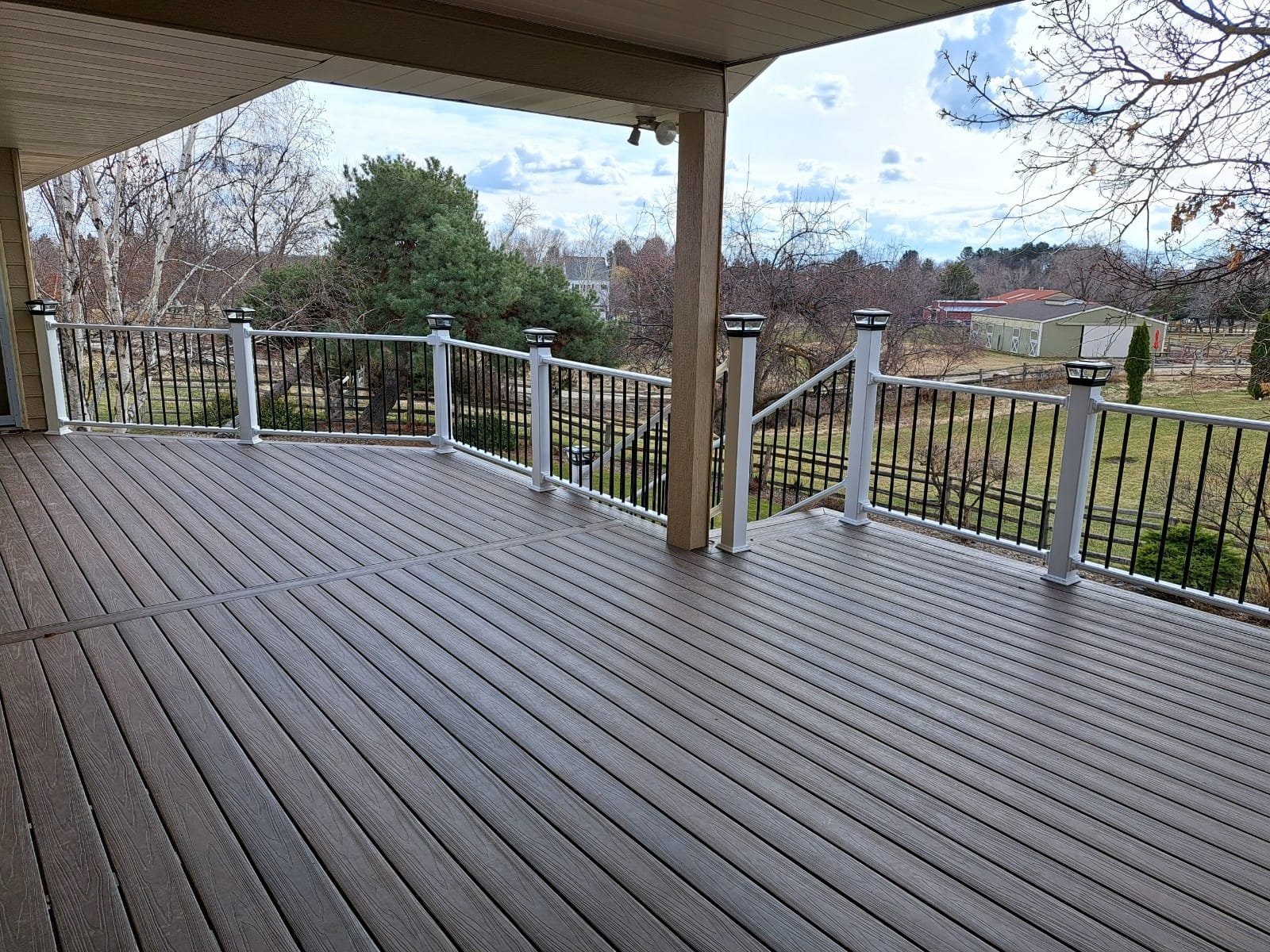
Do You Need a Permit to Build a Deck? Here’s Everything You Need to Know
Building a deck is an exciting project, but before you grab your tools and start constructing, it’s important to know whether or not you need a permit.
While some small, simple decks might not require permits, most deck construction projects need official approval from your local government. Ignoring this step can lead to fines, delays, or even having to tear down your deck later.
In this article, we’ll explain when a permit is required, how to get one, and what the consequences might be if you skip the process.
When Do You Need a Permit for a Deck?
In general, the requirement for a deck permit depends on several factors, including the size of the deck, its location, and the local building codes. While specific regulations vary by city or county, here are some situations where you’re most likely to need a permit:
Decks Larger than 200 Square Feet: In many areas, if your deck is over 200 square feet, you’ll need a permit.
Decks Attached to the House: If your deck is connected to your house and requires additional structural work, such as new supports or attachments, it typically needs a permit.
Elevated Decks: If your deck is more than a few feet above ground level, especially if it requires railings or special safety features, you will likely need to get a permit.
Before you start, it’s a good idea to check with your local deck builders Fruitland Idaho to get the specific requirements for your area.
How to Get a Deck Permit
Getting a deck permit might seem like a complicated process, but it’s usually straightforward if you follow the right steps. Many homeowners also consult local deck builders to help them navigate these details. Here’s what you need to do:
1. Check Local Building Codes
Each city or county has its own set of building codes, so it's essential to check with your local authorities before beginning the project. The building codes outline what’s allowed in terms of deck construction and what permits are required. You can usually find this information on your local city or county website.
2. Submit Your Plans
Most areas will require you to submit detailed plans of your proposed deck. These plans should include the deck’s size, materials, and the method of construction. You may also need to show how it will be attached to your house, its foundation, and how it will meet safety codes.
3. Pay the Permit Fee
Once your plans are approved, you’ll need to pay a permit fee. This fee can vary depending on your location and the size of your deck. The fee typically ranges from $50 to $500.
Professional deck builders can help you determine the correct fee for your area and ensure your application is processed smoothly. Think of this fee as a small investment for your deck, so you don’t run into any issues in the future.
4. Inspections
After your permit is issued and construction begins, you may need to schedule inspections at various stages of the build. These inspections ensure that the deck is being built according to code. Most commonly, inspections occur after the foundation is poured, after framing is complete and after the deck is finished.
What Happens if You Build Without a Permit?
If you skip the permitting process, deck builders Fruitland Idaho may need to undo or redo parts of the project to comply with local codes, which can increase costs and delays. Here are some risks you face if you skip the permitting process:
Fines: If local authorities discover that you’ve built your deck without a permit, you could be hit with hefty fines. These fines can range from a few hundred to a few thousand dollars.
Forced Demolition: In some cases, authorities may require you to tear down your deck if it doesn’t meet building codes. This can be costly and time-consuming.
Issues When Selling Your Home: If you try to sell your house, potential buyers or inspectors may notice that the deck was built without a permit. This could affect your ability to sell the property or lead to further complications during the selling process.
Safety Risks: Permits and inspections are in place to ensure your deck is safe for use. Without them, there’s a risk that your deck may not meet safety standards, which could lead to accidents or injuries.
By taking the time to get the proper permit, you avoid these risks and ensure that your deck is both legal and safe.
Common Questions About Deck Permits
1. Can I Build a Deck Without a Permit if It’s Small?
In some areas, small decks (under 200 square feet) may not require a permit. However, this varies depending on your location. It's always a good idea to check with your local building department to be sure.
2. Do I Need a Permit for a Detached Deck?
If your deck is free-standing (not attached to your house) and below a certain height, it may not require a permit. Again, this depends on local regulations, so it’s best to ask an expert deck builder before starting.
3. Can I Get a Permit After I’ve Started Building?
It’s always best to get a permit before starting construction. While some places might allow you to apply for a retroactive permit, this can lead to delays and additional fees. It’s better to take care of the paperwork upfront.
Conclusion: Secure Your Deck Permit Before You Begin
Before you dive into building your dream deck, it’s crucial to check if you need a permit. While it might feel like an extra step, obtaining a permit ensures that your deck is built safely, meets all local building codes, and avoids costly complications down the line.
At Sunset Decks Idaho, our professional deck builders are here to guide you through the permit process and make sure your project is in full compliance with regulations. This way, you can enjoy your deck with peace of mind, knowing it’s both legal and secure.

How Much Can I Expect to Pay to Have a Deck Built: A Comprehensive Guide
Building a deck is a great way to enhance your home’s outdoor space, but one of the first questions homeowners ask is, "How much is this going to cost?"
The price of a deck can vary significantly depending on several factors, including the size, materials, design, and the contractor you hire. Understanding these factors can help you better plan your budget and avoid surprises along the way.
We’ll break down the main factors here that influence the cost of deck construction and give you an idea of what you can expect to pay for your dream deck.
Factors That Affect the Cost of Building a Deck
Before you get started, it’s important to know that deck prices can range widely. On average, deck builders can ask homeowners to pay between $4,000 and $10,000 for a deck, but the final cost will depend on several factors. Here are the key factors that will influence how much you pay:
1. Size of the Deck
The size of the deck is the most obvious factor that will affect the price. Larger decks will naturally require more materials and labor, which increases the overall cost. Most contractors charge by square footage, so the bigger the deck, the higher the price.
Smaller Deck (100-200 sq. ft.): $2,000 – $5,000
Medium Deck (200-400 sq. ft.): $5,000 – $8,000
Large Deck (400+ sq. ft.): $8,000 – $12,000+
If you're looking to build a large deck with multiple levels or intricate designs, you should expect to pay on the higher end of this scale.
2. Materials Used
The material you choose for your deck is one of the most significant cost factors. There are several options, ranging from budget-friendly wood to high-end composite materials.
Pressure-Treated Wood: This is one of the most affordable decking materials, typically costing between $15 and $25 per square foot.
Cedar or Redwood: These materials are more expensive, generally costing between $25 and $40 per square foot, but they offer better resistance to the elements and a more attractive appearance.
Composite Decking (e.g., Trex): Composite materials are durable and low-maintenance, but they come at a higher price—between $30 and $60 per square foot.
The material you choose not only affects the upfront cost but also the long-term maintenance costs. If you’re unsure about which material to choose, deck builders in Fruitland ID can provide expert guidance on selecting the best materials for your budget and desired outcome.
3. Deck Design and Complexity
The complexity of the design will also impact the price. A simple rectangular deck will generally be less expensive than a multi-level deck with built-in features such as steps, railings, or custom seating. If you have a specific vision for your deck, professional deck builders can help bring that vision to life, ensuring that the design is both functional and aesthetically pleasing.
Basic Design: Lower cost, typically simpler shapes and fewer features.
Custom Design: More expensive, adding elements like built-in seating, stairs, or fancy railings.
If you’re dreaming of a custom design with special features, be prepared for the price to go up, especially if the design requires extra labor and materials.
4. Location and Accessibility
The location of your home and the accessibility of the deck area can also influence the cost. If your property is difficult to access or requires additional work, such as leveling the ground or demolishing an old structure, this can add to the overall cost. Similarly, if your deck is being built on a sloped or uneven surface, additional foundation work may be needed.
Easy-to-Access Yard: Lower cost.
Difficult Terrain or Special Considerations: Higher cost due to extra work involved.
It’s important to discuss the layout and accessibility of your property with your contractor early in the process, so there are no surprises when it comes to cost.
5. Labor Costs
Labor costs can vary depending on your location and the complexity of the deck you’re building. On average, labor makes up about 30-40% of the total cost. A highly skilled contractor will ensure the deck is built to last, but if you decide to go with a less experienced deck builder, the project could take longer and result in additional costs.
Experienced Contractors: May charge more, but typically complete the job faster and with higher quality.
Less Experienced Builders: Might offer lower rates but could take longer and provide less reliable work.
While it might be tempting to hire a cheaper, less experienced contractor, it’s essential to balance cost with quality to avoid potential issues down the line.
Additional Costs to Consider
When planning your deck project, don’t forget to factor in these additional costs that might arise during construction:
1. Permits and Inspections
In many areas, you’ll need a permit to build a deck. The cost of permits can vary depending on your location, but most deck builders in Fruitland ID typically charge around $50 to $500. Be sure to check local building codes before starting your project to avoid fines or delays.
2. Railings, Stairs, and Accessories
If you plan to add stairs or railings to your deck, this can increase the cost. Stairs can add anywhere from $1,000 to $2,000 to the price of the deck, depending on the size and complexity. Railings can cost between $20 and $50 per linear foot.
3. Deck Furniture and Lighting
Consider how you’ll use the deck once it’s built. Furniture and lighting can enhance your deck’s function and style, but they add to the overall cost. High-quality deck furniture can range from a few hundred dollars to a few thousand, depending on the style and size.
Conclusion: Planning Your Deck Budget
Building a deck is an exciting project, but it’s essential to plan your budget carefully. The total cost will depend on several factors, including the size, materials, design, and labor involved. By understanding these factors, you can make informed decisions and stay within your budget.
At Sunset Decks Idaho, we’re here to help you plan and build the deck of your dreams. Our team of professional deck builders will provide a clear, accurate estimate based on your specific needs and preferences, ensuring you get the best value for your investment. Contact us to get a free estimate and start planning your deck today!
What are the Pros and Cons of a Wood Deck?
When it comes to building a deck, wood has stood the test of time as a top choice for homeowners. Its timeless beauty, affordability, and versatility make it a go-to material for creating outdoor living spaces.
Whether you’re looking to add charm to your backyard or increase your home's value, wood decking offers a variety of benefits. However, before diving into your deck project, it’s important to weigh both the advantages and potential downsides of choosing wood.
In this article, we’ll take a closer look at the key benefits and drawbacks of wood decking to help you make an informed decision about what’s best for your home and lifestyle.
What Is Wood Decking?
Wood decking refers to outdoor surfaces made from various types of natural wood, including cedar, pine, redwood, and pressure-treated lumber. Many deck building companies prefer using these natural materials for their aesthetic appeal and ability to blend seamlessly with the outdoors.
Unlike composite decking, which combines wood fibers and plastic, wood decking uses 100% natural materials, which some homeowners prefer for aesthetic reasons.
Benefits of Wood Decking
Many deck building companies in Fruitland ID emphasize the versatility of wood when it comes to customization, allowing homeowners to personalize their outdoor space with ease. Here are the main benefits that wood offers:
There are several reasons why wood decking continues to be a popular choice for many homeowners.
1. Natural Beauty
One of the most significant benefits of wood decking is its natural beauty. Wood has a timeless look that gives your outdoor space a warm, rustic charm. Whether you choose a rich, dark color like mahogany or a lighter shade like cedar, wood offers a variety of aesthetic options. Over time, wood decks develop a unique patina, adding character to your outdoor area.
Rich, warm tones and natural texture.
Develops a unique weathered look over time.
Blends well with natural landscapes.
If you love the appearance of natural wood and want a deck that blends in with the outdoors, wood decking is an excellent option.
2. Affordability
Wood decking is often more affordable than composite materials. Depending on the type of wood you choose, you can save a significant amount on your initial deck construction. Pressure-treated wood, in particular, is one of the most budget-friendly options available.
Lower upfront cost compared to composite or other materials.
Wide variety of wood types at different price points.
Great choice for those on a budget.
If you're looking to build a deck on a budget, wood decking may be the ideal solution. It offers great value for money, especially when compared to higher-end materials.
3. Easy to Customize
Wood is highly customizable and easy to work with, making it a favorite for DIY enthusiasts. Many deck building companies offer wood decking as the go-to option for homeowners who want complete control over the design and color of their deck.
Can be stained or painted to match your style.
Easy to cut, shape, and modify.
Perfect for custom designs and unique finishes.
If you want a deck that’s entirely tailored to your vision, wood is a great material to work with.
Drawbacks of Wood Decking
While wood decking has many advantages, it also comes with a few drawbacks. Here’s what to keep in mind:
1. High Maintenance
Wood decks require a lot of upkeep to keep them looking their best. Wood is vulnerable to the elements, especially in areas with harsh weather conditions. It needs to be regularly cleaned, stained, and sealed to protect it from moisture, UV rays, and insects. If not properly maintained, wood can warp, crack, and rot over time.
Requires regular cleaning, staining, and sealing.
Prone to warping, cracking, and splintering.
Needs ongoing maintenance to prevent decay.
If you're not prepared to invest time and effort into maintenance, wood decking may not be the best choice for you.
2. Susceptible to Weather Damage
Wood is naturally vulnerable to the elements. Exposure to moisture and UV rays can cause wood to degrade over time. While pressure-treated wood is somewhat resistant to moisture, it’s still susceptible to mold, mildew, and rot if not maintained correctly. Wood decking also has a tendency to fade and discolor over time, especially in direct sunlight.
Can warp or crack due to moisture exposure.
Prone to mold, mildew, and rotting if not properly sealed.
Fades and discolors in direct sunlight.
If you live in an area with lots of rain or harsh sun, you’ll need to be extra diligent about maintaining your wood deck to prevent weather damage.
3. Limited Lifespan
Although wood decks can endure for several years with proper maintenance, they generally have a shorter lifespan compared to composite decking. According to deck building companies, most wood decks need to be replaced or resurfaced every 10-20 years, depending on the type of wood used and how well it’s maintained. Even with the best care, wood decks eventually show signs of wear and tear.
Typically lasts 10-20 years.
Needs to be replaced or resurfaced periodically.
Subject to wear and tear over time.
If you're looking for a long-term, low-maintenance solution, wood decking might not be the best option.
How to Maintain Your Wood Deck
If you decide that wood decking is right for your home, it’s important to stay on top of maintenance to ensure it lasts as long as possible. Here are a few key maintenance tips:
Clean Regularly: Sweep your deck frequently to remove dirt and debris. Use a mild detergent and water to clean it thoroughly a few times a year.
Seal and Stain: Apply a high-quality wood sealer and stain every 1-2 years to protect the wood from moisture and UV rays.
Inspect for Damage: Frequently check your deck for signs of wear, like loose nails, cracked boards, or mold. Address any issues promptly to prevent them from worsening.
If you choose to work with professional deck building companies, they can provide you with essential maintenance tips and help you keep your deck looking great throughout the years.
Conclusion: Is Wood Decking Right for You?
Wood decking brings natural beauty and affordability but requires ongoing maintenance. If you're willing to care for it, wood can be a great choice. However, for a more low-maintenance, long-lasting option, consider alternatives like composite decking.
At Sunset Decks Idaho, we're here to help you choose the right material for your deck. We’re one of the best deck building companies in Fruitland ID so our team will guide you through the entire process, from design to installation. Call us at (208) 739-6778 to discuss your wood decking project today!
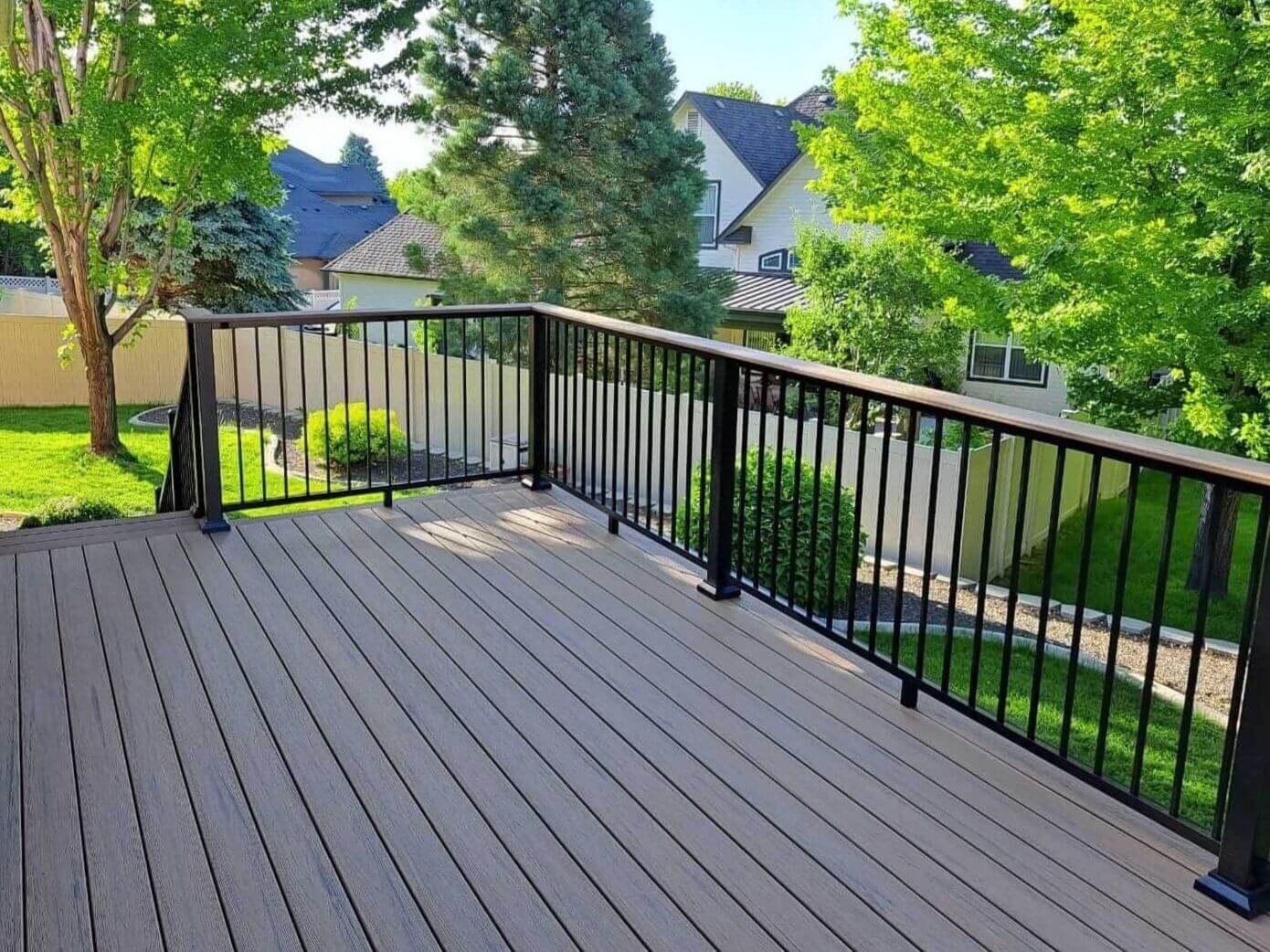
Who is the best Deck Builder in the Treasure Valley Idaho Area?
Building a deck is a great way to enhance your home’s outdoor living space. It provides a perfect spot for relaxing and entertaining and even increases the overall value of your home.
But to make sure your deck is well-built and long-lasting, finding the right builder is very important. In the Idaho Treasure Valley area, you have plenty of options, but how do you choose the best one?
Here’s a guide to help you find the best builders for your deck. From research to final selection, follow these steps to ensure your deck is in good hands.
1. Start with Researching Local Deck Builders
The first step in finding the best builders for your deck is research. By taking time to learn about the companies in your area, you can make a more informed decision. Here’s how you can start your search:
Search Online
Use Google to search for “deck builders in Idaho Treasure Valley.” A quick online search can help you narrow down your options.
Ask for Referrals
Reach out to neighbors, friends, or family members who have had decks built recently. They may be able to provide recommendations based on their own experiences.
Check Company Websites
Visit the websites of local deck builders to get an overview of their services. Look for important information like:
Years of Experience: Experienced builders are more likely to deliver high-quality results.
Specializations: Some builders may specialize in certain types of decks, such as composite or wood decks. Choose one that matches your preference.
Portfolio: Look at past projects to get an idea of the builder’s style and craftsmanship.
Once you’ve gathered a list of potential deck builders Fruitland ID, move on to the next step—verifying their credentials.
2. Verify Their Credentials
When hiring a builder for your deck, it’s important to ensure they have the necessary qualifications. This helps you avoid potential issues down the line. Here’s what you need to verify:
Licensing
Make sure the builder is properly licensed. A license shows that the builder follows local building codes and regulations. Without it, your deck might not meet safety standards, which could lead to costly repairs or complications.
Insurance
Check if the builder is insured. Accidents can happen during construction, and an insured builder will protect you from any liability if something goes wrong. Insurance coverage should include both workers’ compensation and liability insurance.
Ask the builder to provide proof of both their license and insurance. A reliable builder won’t hesitate to share this information.
3. Read Reviews and Ask for References
Reading online reviews and speaking to past clients are two great ways to gauge a builder’s reputation and work quality. Here’s how to go about it:
Check Google Reviews
Search for reviews on Google, Yelp, or other review sites. Pay attention to both positive and negative reviews. A builder with positive feedback shows they’re reliable and skilled. If several reviews highlight qualities like quality work and punctuality, it’s a sign of consistent performance.
Look for Patterns
If many reviews mention the same positive qualities, such as quality of work or punctuality, it’s a good sign. Consistency across reviews indicates that the builder meets expectations. Also, observe how they respond to negative feedback, as it shows their customer service approach.
Ask for References
Request a list of previous clients and contact them directly. This will give you an opportunity to hear firsthand about their experiences with the builder. When speaking with past clients, consider asking questions like:
Was the deck builder easy to communicate with throughout the project?
Did the project stay within the agreed budget and timeline?
Are you happy with the finished deck and the overall experience?
These questions can provide valuable insight into the builder’s work process and professionalism, helping you make a more informed decision.
4. Compare Quotes and Services
Once you’ve narrowed down your options, it’s time to get quotes. Always ask for detailed written estimates so you can compare them accurately. When comparing quotes, keep the following in mind:
Price Breakdown: Make sure the quote includes all costs, such as materials, labor, and any additional fees. This will help you avoid unexpected costs later on.
Payment Schedule: Ask about the payment structure. A reliable builder will typically ask for a small deposit upfront, with the remainder due when the project is finished.
What’s Included in the Estimate: Ensure the quote includes everything necessary for the project, such as permits, materials, and cleanup. It’s important to understand exactly what you’re paying for.
Don’t always go for the cheapest option. Instead, choose the builder that offers the best value, with quality materials and a realistic timeline.
5. Focus on Communication Skills
Good communication is essential when working with a contractor. The right deck builders Fruitland ID should be approachable, responsive, and transparent. Here’s what to look for:
Responsiveness: A good builder will respond to your calls and emails quickly. If they take too long to get back to you, it could be a sign that they might not be reliable.
Clear Communication: Make sure the builder is clear about the project scope, timeline, and costs. A transparent builder will keep you informed about any issues or delays that may arise.
Willingness to Listen: Does the builder take the time to listen to your needs and ideas? A builder who listens carefully is more likely to deliver a deck that matches your vision.
Good communication can make the entire process smoother and more enjoyable for you.
Conclusion: Trust Your Instincts and Choose Wisely
Finding the best deck builder in the Idaho Treasure Valley area doesn’t have to be stressful. By doing your research, verifying credentials, reading reviews, comparing quotes, and focusing on communication, you can find a builder who meets your needs and exceeds your expectations.
At Sunset Decks Idaho, we pride ourselves on delivering exceptional service and craftsmanship. Our experienced team will work closely with you to design and build the perfect deck for your home. We’re here to turn your outdoor dreams into reality!

What are the Pros and Cons of a Composite Deck?
When it comes to building a deck, one of the most important decisions you'll make is choosing the right material. Composite decking is a popular choice for homeowners in the Idaho Treasure Valley area because it offers many advantages. But is it the right option for your home?
In this article, we'll explore the benefits and drawbacks of composite decking to help you decide if it’s the best material for your new deck.
What is Composite Decking?
Composite decking is made from a mix of wood fibers and plastic. Fruitland ID Deck Contractors often recommend composite materials for their durability and low maintenance.
Unlike traditional wood decking, which is made from natural lumber, composite boards are engineered for longer-lasting performance and less upkeep. The materials are usually recycled, making composite decking an eco-friendly option.
Composite decking comes in a variety of colors, textures, and styles, making it a versatile choice for homeowners who want a beautiful outdoor space without the hassle of constant upkeep.
Benefits of Composite Decking
There are several reasons why composite decking has become a favorite choice for many homeowners and deck builders alike. Here are some of the key benefits:
Low Maintenance
One of the biggest selling points of composite decking is that it requires very little maintenance. Unlike wood decks, which need to be stained, sealed, and treated regularly to protect them from the elements, composite decks are built to withstand the weather without much attention.
You only need to clean it occasionally with soap and water, and it will stay looking great for years.
No need to sand, stain, or seal.
Resistant to fading, cracking, and splintering.
Easy to clean with soap and water.
This low-maintenance feature is a big plus for homeowners who want a beautiful deck without the time and effort required to maintain it.
Durability and Longevity
Composite decking is highly durable and lasts longer than traditional wood decking. Many Fruitland ID Deck Contractors emphasize the material’s ability to withstand weather damage, including moisture, UV rays, and extreme temperatures. Wood decks can warp, splinter, and crack over time, but composite boards are designed to resist these problems.
Stands up to harsh weather conditions.
Resistant to mold and mildew growth.
Longer lifespan than traditional wood decking.
If you're looking for a deck that will last for many years with little wear and tear, composite decking is a solid option.
Eco-Friendly Choice
If you're environmentally conscious, choosing composite decking is a great option, especially with the growing number of deck contractors offering eco-friendly solutions. The materials are typically made from recycled wood fibers and plastics, helping to reduce waste and contribute to sustainability.
Made from recycled plastic and wood fibers.
Reduces waste and deforestation.
Often considered a greener option than traditional wood.
If you're eco-conscious, composite decking is a great option to help minimize your environmental impact.
Aesthetic Appeal
Composite decks are available in a wide range of colors, textures, and styles, so you can find the perfect match for your home’s exterior. The materials are designed to mimic the appearance of real wood, giving you the same look without the maintenance concerns.
Wide variety of color and style options.
Mimics the look of natural wood.
No visible nails or screws, creating a smooth finish.
The aesthetic versatility of composite decking makes it a great choice for homeowners looking to enhance the overall look of their outdoor space.
Drawbacks of Composite Decking
If you're working with an experienced deck contractor, you'll quickly learn that there are a few drawbacks to composite decking as well. Here are some of the challenges that come with choosing composite boards for your deck:
Higher Initial Cost
The main drawback of composite decking is its higher upfront cost compared to traditional wood. Composite materials can be more expensive to purchase, which might be a concern if you're working with a tight budget.
However, the long-term savings in maintenance costs and replacement can offset this initial investment.
Higher cost than wood decking.
Installation can be more expensive due to the materials and labor involved.
It’s important to weigh the initial cost against the long-term savings to determine if composite decking fits your budget.
Can Get Hot in Direct Sunlight
Composite decking can absorb heat, making it hot to the touch on sunny days. If your deck is exposed to direct sunlight for long periods, it might get uncomfortably hot, especially in the summer months. This could be a concern if you plan to spend a lot of time on your deck during the hottest parts of the day.
Can get hot under direct sunlight.
Might not be ideal for areas with extreme heat.
If you live in an area with intense sun, you might want to consider this factor when choosing your decking material.
Limited Repair Options
Unlike wood decks, which can be easily sanded or refinished, composite decking is harder to repair if it gets damaged.
If the boards get scratched, stained, or broken, you may need to replace the affected section entirely. Some composite boards can be repaired, but it’s not as simple as fixing a wood deck.
Harder to repair if damaged.
May require replacement of entire sections.
If you're looking for a material that’s easily repairable, this could be a downside to consider.
Composite vs. Wood Decking: Which Is Better?
When comparing composite decking to traditional wood decking, the decision ultimately comes down to your priorities. If you value low maintenance and long-lasting durability, composite decking is an excellent option. However, if you’re looking for a more affordable material and don’t mind putting in the effort for upkeep, wood decking might be the better choice.
Here's a quick comparison to help you decide:
Feature Composite Decking Wood Decking
Maintenance Low (no sanding, staining, sealing) High (requires regular treatment)
Durability Long-lasting, resistant to weather Prone to warping, splintering, and decay
Eco-Friendliness Made from recycled materials Uses natural wood, but less eco-friendly
Cost Higher initial cost Lower initial cost
Conclusion: Is Composite Decking Worth It?
Overall, composite decking is a great option if you're looking for a low-maintenance, durable, and eco-friendly material for your new deck. It may have a higher initial cost, but the long-term benefits—such as less maintenance and a longer lifespan—can make it a worthwhile investment.
If you’re unsure whether composite decking is right for you, consider speaking to a professional deck builder like Sunset Decks Idaho. Our team can help you choose the best material based on your needs, preferences, and budget.